Symptoms of anemia and iron deficiency: Clinical signs, progression, and evaluation
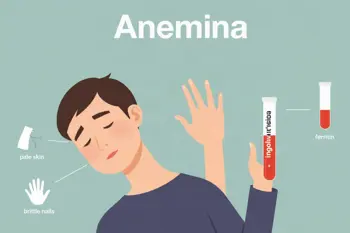
Symptoms of anemia and iron deficiency often overlap, but the pattern can provide useful clues. Early iron deficiency may cause no noticeable symptoms, while worsening anemia can produce extreme tiredness, weakness, pale skin, breathlessness, headaches, dizziness, or a fast heartbeat. These symptoms are not specific to iron deficiency, so clinical assessment and blood testing are needed rather than self-diagnosis. 1
How anemia and iron deficiency are connected
Anemia means that the blood does not contain enough healthy red blood cells to deliver oxygen efficiently to body tissues. Iron is required to make hemoglobin, the red blood cell protein that carries oxygen. When iron stores fall, the bone marrow gradually produces fewer red blood cells; once stores are depleted, the cells are typically smaller and paler than usual. 1 3
Iron deficiency can exist before anemia develops, meaning symptoms may appear subtly or not at all. Iron also supports muscles, skin, hair, nails, immune function, and brain-related processes, so a person may report changes associated with low iron even when the principal blood count has not yet become abnormal. Symptoms generally become more pronounced as iron stores and hemoglobin decline. 2 6
Common physical symptoms
The most frequently reported symptoms of iron-deficiency anemia involve reduced energy and oxygen delivery. Extreme tiredness, weakness, reduced exercise tolerance, shortness of breath, headaches, lightheadedness, dizziness, and pale skin are recognized features. Some people also experience a fast or irregular heartbeat, cold hands and feet, chest discomfort, or irritation and soreness of the tongue. 1 2
Symptoms can develop slowly because the body may use its stored iron over several months. Gradual onset can make changes easy to attribute to stress, poor sleep, aging, or another illness. Breathlessness with exertion, persistent fatigue, or a noticeable decline in physical capacity warrants medical evaluation, particularly when these symptoms occur together or continue over time. 3 6
Signs more closely associated with low iron
Some findings are more suggestive of iron deficiency than of anemia in general. Pica is a craving to eat or chew substances that are not food, including ice, dirt, or clay. Unusual smell cravings involving rubber, detergents, or cleaning agents have also been described. Restless legs syndrome may occur with iron deficiency, including in some people who do not yet have anemia. 1
Iron deficiency may also affect tissues that rely on iron-related cellular functions. Reported signs include brittle nails, a sore or inflamed tongue, and other nail or mouth changes. Hair loss, spoon-shaped nails, and cracks at the corners of the mouth are associated with iron deficiency in clinical descriptions, although these findings can have other causes and should not be treated as diagnostic on their own. 4 8
Symptoms in infants and children
Mild anemia in an infant or toddler may have no obvious symptoms. As iron levels and blood counts fall, children may become irritable, tired, weak, short of breath, or less interested in food. Headaches, dizziness, a sore tongue, and pica can also occur. In young children, symptoms may be less clearly described than in adults, so behavior and eating changes can be important observations. 7
Rapid growth increases iron requirements, and children with deficiency may show effects beyond physical tiredness. The research information identifies possible irritability, poor concentration, learning difficulties, and developmental problems. These findings have several possible explanations, so they do not establish iron deficiency by themselves. Persistent behavioral, developmental, or physical changes should be discussed with a healthcare professional. 7 2
Who may be at higher risk
Risk is higher when iron is lost, absorbed poorly, or needed in greater amounts. People with prolonged or heavy menstrual bleeding, pregnant or postpartum people, and those who are breastfeeding may require particular attention. Major surgery involving bleeding, gastric bypass or duodenal surgery, and frequent blood donation can also reduce iron stores. 2 6
Digestive conditions can interfere with iron absorption or cause blood loss. Celiac disease, Crohn disease, ulcerative colitis, and other gastrointestinal disorders are identified risk factors. Diets that exclude animal products may require careful attention to iron intake, while infants, young children, adolescent females, and pregnant people can have increased requirements. In adults without menstrual bleeding, iron deficiency commonly prompts investigation for digestive-tract bleeding. 2 3
Testing, medical review, and warning signs
Diagnosis usually combines a blood count with iron studies. Relevant measurements include hemoglobin, hematocrit, red blood cell size and color, and ferritin, which reflects stored iron. Mayo Clinic lists adult hemoglobin reference ranges of 13.2 to 16.6 grams per deciliter for adults assigned male at birth and 11.6 to 15.0 grams per deciliter for adults assigned female at birth, although ranges vary by age and laboratory. 5
Finding iron-deficiency anemia is only part of the evaluation because the underlying cause must be considered. Depending on the situation, assessment may include investigation for gastrointestinal bleeding, endoscopy, colonoscopy, or pelvic ultrasound for excessive menstrual bleeding. Chest pain, fainting, marked shortness of breath, or a rapidly worsening condition requires prompt medical attention. Iron supplements should be discussed with a healthcare professional because excess iron can damage the liver and other organs. 1 5
Sources
- Mayo Clinic, Iron deficiency anemia: Symptoms & causes
- American Society of Hematology, Iron-Deficiency Anemia
- Merck Manual Consumer Version, Iron Deficiency Anemia
- American Academy of Family Physicians, Iron Deficiency Anemia: Evaluation and Management
- Mayo Clinic, Iron deficiency anemia: Diagnosis & treatment
- NCBI Bookshelf, Iron Deficiency and Microcytic Hypochromic Anemia
- MedlinePlus, Anemia caused by low iron: Infants and toddlers
- General research information supplied in the research data, including clinical references to Cleveland Clinic and NHS
Authored by 24Trendz team