Effective ways to manage sinus pressure symptoms naturally: Evidence-based self-care guidance
Effective ways to manage sinus pressure symptoms naturally often focus on saline rinses, hydration, warm compresses, humidified air, rest, and reducing exposure to smoke or other irritants. These measures may ease congestion and facial discomfort, but they do not all address the same underlying cause, and persistent symptoms require clinical assessment.
Why sinus pressure develops
Sinusitis, also called rhinosinusitis, begins when inflammation causes swelling around the small openings through which mucus normally drains into the nasal cavity. Viral infections and allergies are common triggers, but environmental irritants and structural blockage can also contribute. The resulting pressure may be felt in the forehead, cheeks, nose, around the eyes, or near the ears, particularly when congestion prevents normal drainage. 1
Sinus pressure is a symptom rather than a diagnosis. A short-lived viral illness may improve as inflammation settles, while allergy-related symptoms can continue when exposure persists. Some facial headaches attributed to the sinuses may have another explanation, including migraine, so recurring or unusually severe pain should not automatically be treated as a sinus infection. Identifying the likely trigger helps determine which natural measures are reasonable. 4
Saline irrigation and nasal moisture
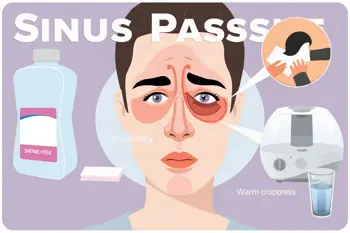
Saline nasal irrigation can flush mucus, allergens, and irritants from the nasal passages while helping moisturize tissue and support mucus movement. A rinse may reduce congestion and facial pressure for some people, although research findings vary by condition and individual response. Devices include neti pots and squeeze bottles, and a gentle technique is preferable to forceful pressure, especially when the nose is fully blocked. 5
Water safety is essential. Nasal-rinse devices should be filled only with distilled, sterile, or previously boiled water that has cooled, because untreated water can introduce potentially serious infection risks. The device should be cleaned properly after use and allowed to dry. A commonly described mixture uses warm safe water with non-iodized salt and, optionally, baking soda, but prepared saline products can help reduce measuring errors. 6
Hydration, warmth, and humidified air
Maintaining adequate fluid intake may help keep nasal secretions thinner and easier to clear, although hydration does not remove the cause of sinus inflammation. Warm facial compresses can provide temporary comfort over the cheeks, forehead, or nose. Rest also supports recovery during a viral illness, while elevating the head during rest may make congestion feel less intrusive for some people. 2
Humidified air may ease dryness and irritation, particularly when indoor air is dry, but excessive humidity can worsen congestion and encourage environmental problems. Steam may temporarily make mucus feel less thick and provide a sensation of easier breathing, yet evidence for treating sinusitis itself is limited. Leaning over bowls of boiling water is unsafe because of burn risk, especially for children, so indirect humidification is preferable. 3
Reducing irritants and allergy exposure
Cigarette smoke, vaping aerosols, strong odors, and other airborne irritants can aggravate the nasal lining and make congestion more uncomfortable. Reducing exposure can therefore support symptom control, particularly when pressure appears after time in smoky or heavily fragranced environments. Indoor humidity also matters: very dry air may irritate nasal passages and thicken mucus, while overly humid conditions may contribute to congestion and inflammation. 4
When allergies are involved, symptom relief depends partly on reducing contact with known triggers. Seasonal pollen, dust, and other allergens can inflame the nasal passages and contribute to sinus symptoms. Saline irrigation may remove some irritants from the nose, but it does not replace appropriate allergy management. Repeated symptoms linked to seasons, animals, or indoor environments may justify discussion with a qualified healthcare professional. 8
What natural measures can and cannot do
Natural self-care primarily offers supportive relief: saline can clear mucus, fluids may improve secretion consistency, warmth can reduce the sensation of facial aching, and humidified air can soothe dryness. These approaches do not reliably cure bacterial infection, correct structural obstruction, or eliminate allergies. Their value is therefore measured by symptom comfort and drainage support rather than by an assumption that pressure has been permanently resolved. 3
Antibiotics are not automatically appropriate for sinus pressure because many short-term episodes are associated with viruses rather than bacteria. Similarly, steam, herbal preparations, essential oils, and spicy foods should not be presented as proven cures. Essential oils can irritate sensitive airways or skin, and ingestible herbs may interact with medicines or be unsuitable during pregnancy or for certain health conditions. 6
When medical evaluation is necessary
Symptoms lasting longer than about 10 days, symptoms that worsen after initially improving, or severe symptoms should be assessed by a healthcare professional. Evaluation may involve a symptom history and examination of the nose and face, with imaging or allergy testing considered in selected persistent or recurrent cases. These patterns can indicate a condition requiring treatment beyond home comfort measures. 2
Urgent evaluation is warranted for swelling around the eyes, vision changes, severe headache, confusion, stiff neck, shortness of breath, or high fever. Facial swelling and eye symptoms are especially important because they may signal complications rather than ordinary congestion. Natural measures should not delay care when symptoms are severe, unusual, recurrent, or associated with functional problems such as difficulty breathing or marked deterioration. 8
Sources
- Harvard Health, “What to do about sinusitis”
- Acibadem Hospitals Group, “How To Relieve Sinus Pressure in Face”
- Acibadem Hospitals Group, “Steam Inhalation for Sinus Pressure: An Evidence-Based Guide for Patients”
- Sleep and Sinus Centers, “How to Drain Sinuses at Home”
- American College of Healthcare Sciences, “3 Holistic Remedies for Sinus Support”
- eHome Remedies, “17 Home Remedies For Sinus Congestion”
- Liv Hospital, “How to Relieve Sinus Pressure Naturally at Home”
- CLS Health, “How to Relieve Sinus Pressure: Home Remedies & Treatment”
Authored by 24Trendz team