Effective ways to manage psoriasis discomfort naturally: Clinical perspectives on complementary self-care
Psoriasis is a chronic, immune-mediated condition characterized by the rapid overproduction of skin cells, which leads to the formation of thick, scaly, and frequently painful or itchy plaques 4. With more than 7.5 million adults in the United States affected, the management of this condition requires a comprehensive approach that prioritizes both clinical intervention and supportive self-care 7. While these natural methods do not offer a cure, they are frequently utilized to ease discomfort, reduce the frequency of flares, and improve overall quality of life 2, 8.
Hydration and Topical Skin Care Strategies
Maintaining skin moisture is a fundamental pillar of managing the dryness, scaling, and inflammation associated with psoriasis plaques. Thicker, greasier moisturizers, such as creams and ointments, are generally preferred over watered-down lotions because they effectively lock in moisture 1. Ingredients like ceramides are often recommended to support the skin barrier 1. Furthermore, applying these substances immediately after bathing allows for optimal absorption 9. For scales, lotions containing salicylic, lactic, or glycolic acids may assist in breaking down dead skin cell buildup, particularly when used in combination with occlusive coverings at night 1.
The Role of Bathing and Temperature Management
Bathing habits significantly impact the comfort level of individuals living with psoriasis. Lukewarm water is recommended, as hot water and harsh soaps can exacerbate dryness and irritation 9. Short, gentle baths may be supplemented with colloidal oatmeal or Epsom salts to provide additional soothing effects for itchy or inflamed skin 9. It is essential to avoid abrasive scrubbing, which can damage the skin and potentially trigger the Koebner phenomenon-a process where trauma to the skin causes the development of new psoriatic lesions in the injured area 1, 9.
Phototherapy and Controlled Sun Exposure
Controlled, limited exposure to sunlight can provide symptom relief for some patients, as certain ultraviolet (UV) wavelengths may help slow the rapid skin cell growth associated with psoriasis 2. However, dermatological caution is advised, as excessive exposure leading to sunburn can significantly worsen lesions and increase the long-term risk of skin cancer 2, 9. Medical phototherapy, which utilizes specific UV wavelengths under strict clinical supervision, offers a safer and more predictable alternative to outdoor sun exposure for managing inflammation and reducing itching 2.
Nutritional Considerations and Gut Health
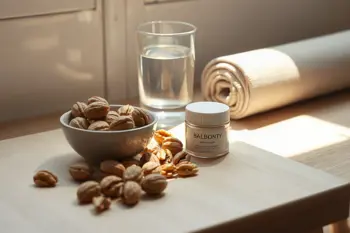
Emerging research indicates that diet may influence the systemic inflammatory response in psoriasis patients 7. An anti-inflammatory diet-often characterized by high intakes of omega-3 fatty acids found in oily fish, flax seeds, and walnuts-may help reduce systemic inflammation 8. Conversely, reducing the intake of ultra-processed foods, saturated fats, and excess red meat is often suggested to minimize potential triggers 8. Additionally, maintaining a moderate weight through balanced nutrition and physical activity is linked to improved clinical outcomes and a reduced risk of comorbidities 9.
Stress Management and Lifestyle Modifications
Given the autoimmune nature of the condition, emotional and physical stress are well-documented triggers for psoriatic flares 2, 8. Integrative strategies such as mindfulness, meditation, yoga, and regular physical activity can help modulate the inflammatory response and improve coping mechanisms 8, 9. Furthermore, lifestyle modifications including the cessation of smoking and the limitation of alcohol consumption are crucial, as these factors are known to exacerbate the severity of the disease and negatively impact cardiovascular health, which is a concern for many with chronic inflammatory conditions 8, 9.
Integration with Clinical Treatment
Natural and holistic measures should be viewed as complementary to, rather than replacements for, professional dermatological care 8. Clinical treatments, ranging from prescription topical steroids to systemic biologics, remain essential for controlling disease activity, especially when lesions are widespread, painful, infected, or involve joints 4, 9. Patients are encouraged to work closely with their healthcare providers to develop a personalized management plan, particularly before starting new herbal supplements or drastic dietary changes, to ensure safety and avoid potential interactions with prescribed medications 6, 9.
Sources
- WebMD, How to Ease Psoriasis Pain: Tips for Relief During A Flare Up
- GoodRx, 12 Psoriasis Self-Care Tips for Your At-Home Skin Care
- Anais Brasileiros de Dermatologia, Complementary strategies in psoriasis
- UCLA Health, Your guide to managing psoriasis
- Mayo Clinic, Psoriasis - Diagnosis and treatment
- IJPS Journal, Plant-Based Approaches to Psoriasis: A Systematic Review
- National Psoriasis Foundation, Best Foods for Healthy Skin and Less Inflammation
- Health.news, Holistic strategies for managing psoriasis naturally
- Karethic, Natural alternatives for psoriasis: remedies validated in 2026
Authored by 24Trendz team