Natural Remedies for Seasonal Allergies: A Research-Based Overview of Symptom Management Strategies
Understanding the Mechanics of Seasonal Allergic Rhinitis
Seasonal allergic rhinitis, frequently referred to as hay fever, affects millions of individuals annually, triggering symptoms such as sneezing, nasal congestion, and itchy eyes 4. This immune response occurs when the body misidentifies harmless airborne substances, typically pollens from trees, grasses, or weeds, as dangerous invaders 7. Upon exposure, the immune system releases inflammatory mediators, including histamine, which drive the hallmark discomfort associated with seasonal changes 10. Recent data indicates that approximately 25.2% of U.S. adults are diagnosed with seasonal allergies, a figure that continues to rise as climate change contributes to longer, more intense pollen seasons 6. Research has shown that pollen seasons now begin 20 days earlier and last 10 days longer than they did in 1990, with pollen loads increasing by 21% 6.
Environmental Control and Pollen Avoidance Strategies
The most fundamental approach to managing seasonal allergies involves reducing direct contact with the allergens responsible for the reaction 1. Clinical guidelines consistently emphasize practical avoidance measures to lower the overall burden on the immune system. These include checking local pollen counts daily and remaining indoors during peak hours when pollen levels are highest 1, 3. Closing windows and utilizing air conditioning can effectively prevent outdoor allergens from entering living spaces 2, 7. Additionally, showering after spending time outdoors serves to remove pollen particles that accumulate on hair and skin, thereby minimizing further exposure 3, 7.
The Role of Saline Nasal Irrigation
Nasal irrigation is a frequently recommended non-pharmacological strategy for physical clearance of the nasal passages 8. By flushing the sinuses with a saline solution, individuals can physically remove trapped pollen, dust, and accumulated mucus that exacerbate congestion and irritation 3, 9. While some meta-analyses suggest that saline irrigation may provide symptom relief in both adults and children, the certainty of evidence remains relatively low 4, 8. To perform this safely, it is critical to use distilled, sterile, or previously boiled and cooled water, as the use of untreated tap water carries a risk of introducing serious infections into the nasal cavity 3, 5.
Evaluating Indoor Air Quality Enhancements
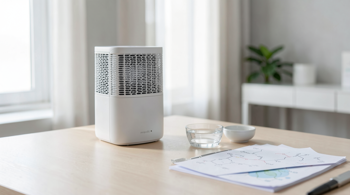
Managing the indoor environment through filtration is a common auxiliary strategy for allergy sufferers. Portable air cleaners equipped with HEPA (High-Efficiency Particulate Air) filters can reduce the concentration of airborne particles, including certain allergens, within an indoor space 2, 6. However, it is essential to note that while air cleaning technologies improve indoor air quality, they do not eliminate all allergens and are considered most effective when used in conjunction with other source-control measures like cleaning and humidity regulation 6. Filtration systems should be viewed as one component of a broader environmental strategy rather than a comprehensive cure for allergic reactions 6.
Clinical Perspective on Complementary and Herbal Therapies
Numerous supplements and herbal remedies are marketed for seasonal allergy relief, yet the scientific consensus remains cautious regarding their efficacy. For instance, while local honey is frequently cited in consumer discourse, the American Academy of Allergy, Asthma & Immunology reports that it has not been proven to prevent or treat hay fever, primarily because the pollen triggering symptoms is generally different from the pollens found in honey 2. Similarly, substances like butterbur have shown potential in some studies, but they pose significant safety concerns, such as liver damage, if they contain certain toxic alkaloids 1. Other popular supplements, including quercetin and probiotics, lack robust, high-quality clinical evidence to support their use as reliable allergy treatments 1.
| Remedy | Primary Mechanism | Scientific Standing |
|---|---|---|
| Saline Nasal Rinse | Physical removal of allergens | Documented utility; low-certainty evidence |
| HEPA Filtration | Reduction of indoor particulates | Supports source control; not a standalone solution |
| Local Honey | Ingestion of local pollen | Not clinically proven for allergy prevention |
| Butterbur/Supplements | Potential anti-inflammatory | Limited evidence; potential safety risks |
When to Consult a Medical Professional
Natural remedies for seasonal allergies should be approached with realistic expectations, as they are rarely a substitute for comprehensive medical oversight, particularly for individuals with moderate to severe symptoms. Certain populations, including pregnant individuals, those with chronic illnesses, and people suffering from asthma, should consult a health professional before incorporating any complementary therapies into their routine 1. Professional guidance is especially important if allergy symptoms worsen, fail to respond to environmental adjustments, or interfere with daily functioning 2, 3. A clinician can offer individualized diagnostic testing to identify specific triggers and provide a management plan that aligns with clinical safety standards 9.
Sources
- Cleveland Clinic: Natural Remedies for Allergies
- Preventive Medicine Daily: Beat Pollen Season Naturally
- HealthPartners: 5 Natural Remedies for Allergies
- Cochrane: Saline Irrigation for Allergic Rhinitis
- U.S. Food and Drug Administration: Neti Pot Safety
- U.S. Environmental Protection Agency: Air Cleaners and Filters
- Mayo Clinic: Hay Fever Diagnosis and Treatment
- American Academy of Family Physicians: Nonpharmacologic Treatment for Allergic Rhinitis
- American Academy of Allergy, Asthma & Immunology: Honey and Allergies
- Harvard Health Publishing: Natural Allergy Relief
Authored by 24Trendz team