Simple home treatments for heavy legs: An analysis of non-invasive strategies for circulatory support
When legs feel heavy, achy, or swollen by the end of the day, it is often a sign that the body’s circulatory system is struggling to combat gravity and the cumulative strain of daily activity 1. This sensation, frequently described as a leaden feeling or a state of persistent fatigue, affects a significant portion of the population, with research indicating that approximately 53% of people report leg pain while 19% note discomfort specifically in the feet 2. Understanding the underlying mechanics, such as vasodilation in warm weather or the pooling of fluid due to prolonged static positioning, allows for the application of targeted, non-invasive home interventions 6, 7.
Physiological Factors Influencing Leg Heaviness
The sensation of heaviness is often linked to the efficiency of the venous system. Blood vessels naturally dilate in response to heat, a process known as vasodilation, which is designed to dissipate body temperature but can inadvertently slow the venous return to the heart 6, 7. When the valves within leg veins are unable to close efficiently due to this dilation, fluid accumulates in the lower extremities, manifesting as swelling, tightness, or a heavy, weighted sensation 6. Lifestyle factors such as extended periods of standing, sedentary office work, or long travel sessions further exacerbate this condition by reducing the efficacy of the natural calf muscle pump 1, 7, 9.
Compression Garments as a Supportive Measure
One of the most widely documented home interventions for managing leg heaviness involves the use of graduated compression garments 3. These devices apply external pressure to the lower limbs, which helps prevent veins from dilating excessively and supports the structural integrity of vein walls 3. By applying consistent pressure, compression socks or stockings assist in reducing symptoms such as throbbing, itching, and general fatigue 3. Regular users often monitor the efficacy of these garments via the 'sock-line test,' where a reduction in deep grooves around the ankles suggests improved fluid management 8.
Hydrotherapy and Temperature-Based Techniques
Hydrotherapy serves as a straightforward, accessible method for managing leg discomfort. A protocol involving a cold leg pack applied for 20 minutes, followed by a 15-minute neutral foot immersion with Epsom salts, has been observed in clinical case series to improve venous tone and microcirculatory balance 5. Cold water therapy is believed to stimulate blood flow and soothe tired muscles, while warm compresses or heating pads may be utilized to relax tension in the surrounding musculature 4, 6. Consistent application of these temperature-based methods can provide relief from the fluid accumulation that causes legs to feel heavy 5.
Movement and Physical Recovery Strategies
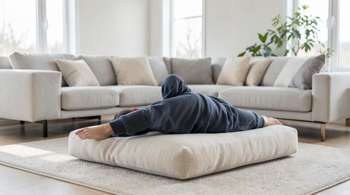
Activating the calf muscle pump through intentional movement is essential for propelling blood back toward the heart 6, 7. Even in hot weather, moderate exercise such as a twenty-minute walk during cooler morning or evening hours can be effective 6. Swimming is particularly noted for its therapeutic benefits, as water pressure provides support to blood vessels while the cool temperature aids in managing vasodilation 6. Furthermore, elevating the legs above the level of the heart for 15 to 20 minutes is a foundational technique to encourage drainage of pooled fluids and reduce edema 1, 11.
Nutraceutical and Dietary Considerations
Research into the role of flavonoids suggests that dietary or supplemental support may assist in managing the sensations of heaviness and tiredness. In a controlled study involving a formulated flavonoid complex containing diosmin, participants reported significant reductions in leg discomfort over a 56-day period, with heavy leg sensations decreasing by 41.7% 7. Beyond supplements, managing daily sodium intake is frequently recommended to decrease overall fluid retention, which can otherwise contribute to persistent swelling in the lower limbs 11, 15.
Integration of Evening Routines
Establishing an evening routine can mitigate the discomfort experienced after a long day. Simple actions, such as the inclusion of ingredients like ginger or cayenne-which may support blood vessel relaxation and healthy inflammatory balance-can be incorporated into a bedtime regimen 9. Combined with passive elevation using pillows while sleeping, these small, consistent habits contribute to a more effective management strategy for those prone to circulatory fatigue 9, 11. While these home remedies offer relief, they should be viewed as part of a holistic approach to venous health rather than a permanent solution for underlying chronic venous conditions 3, 7.
Sources
- Sustain Health Magazine, How To Help Relieve Tired, Heavy Legs Naturally
- Prevention.com, Doctors Reveal the Surprising Causes Behind Heavy Legs
- Cleveland Clinic, 4 Tips and Remedies for Varicose Veins
- The Girl That Runs, How to Use Heat and Compression on Different Types of Leg Fatigue
- Journal of Ayurveda and Integrated Medical Sciences, Therapeutic Role of Cold Leg Pack Combined with Neutral Foot Immersion with Epsom Salts
- Nymph.be, Heavy legs in the summer: 5 tips that really work
- BMC Nutrition, A nutraceutical intervention for alleviating tired and heavy legs in healthy subjects
- TheWellthieone, Lymphatic Drainage for Legs: Ease Heavy, Swollen Legs
- Habits.world, Wake Up With Lighter Legs: 6 Evening Foods That May Support Circulation
- Mayo Clinic, Edema: Diagnosis and Treatment
- Johns Hopkins Medicine, Varicose Veins: Treatment and Care
- Harvard Health Publishing, Understanding Varicose Veins
- American Heart Association, How much sodium should I eat per day?
- WebMD, Varicose Veins: DVT and Circulatory Health
- National Heart, Lung, and Blood Institute, Venous Thromboembolism Management
Authored by 24Trendz team