Top natural tips for reduced inflammation: An Evidence-Based Assessment of Lifestyle and Dietary Patterns
Chronic inflammation has emerged as a significant area of focus within modern clinical research, as it is often linked to the progression of various degenerative conditions including cardiovascular disease, type 2 diabetes, and certain cancers 1. Unlike acute inflammation, which acts as a protective response to injury or infection, chronic, low-grade inflammation is a persistent, systemic state of immune activation that occurs without a specific, immediate threat 2, 7. Managing this state requires a holistic, long-term perspective rather than reliance on quick-fix solutions or single dietary interventions 2, 9.
The Fundamental Role of Dietary Patterns
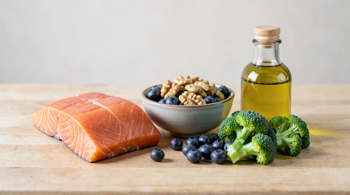
Scientific research consistently identifies diet as one of the most high-leverage interventions for modulating inflammatory markers in the body 7. The most widely supported approach is the Mediterranean-style diet, which emphasizes the consumption of whole, nutrient-dense foods such as vegetables, fruits, legumes, whole grains, nuts, and fatty fish 1, 9. These foods provide essential polyphenols, fiber, and omega-3 fatty acids that promote immune regulation and reduce oxidative stress 9. Specifically, fatty fish like salmon, mackerel, and sardines are rich in EPA and DHA omega-3 fatty acids, which are recognized for their ability to suppress pro-inflammatory pathways 7, 11.
Equally important is the reduction of foods that are known to promote inflammation, particularly ultra-processed items. High intakes of refined carbohydrates, added sugars, and processed meats are associated with spikes in post-meal glucose and lipid levels, which can trigger inflammatory responses 4, 9. Research indicates that ultra-processed foods may alter gut bacteria and damage the lining of the digestive tract, potentially activating inflammatory genes 5. Minimizing the intake of sugary beverages, white bread, and processed snacks is a critical component of any anti-inflammatory strategy 4, 6.
Targeted Nutritional Components
Beyond broad dietary patterns, specific bioactive compounds have shown potential in supporting the body's natural anti-inflammatory response. Turmeric, specifically its active compound curcumin, is frequently cited in clinical literature for its ability to inhibit NF-kB, a signaling molecule that activates inflammation-related genes 10. Similarly, ginger contains gingerols and shogaols, which help modulate inflammatory pathways in patients dealing with chronic conditions 11. Green tea is another notable addition, as it is rich in epigallocatechin-3-gallate (EGCG), an antioxidant that aids in inhibiting systemic inflammatory responses 11.
Other plant-based staples contribute to this goal through distinct mechanisms. Extra virgin olive oil contains oleocanthal, a compound that has been noted for providing an anti-inflammatory effect comparable to certain pharmacological options 11. Additionally, cruciferous vegetables such as broccoli and Brussels sprouts provide sulforaphane, which helps lower cytokine levels, while berries, containing anthocyanins, are effective at reducing inflammatory markers and improving immune cell function 11.
The Impact of Exercise and Movement
Regular, moderate-intensity physical activity is consistently linked to a reduction in systemic inflammatory markers, including C-reactive protein (CRP) and interleukin-6 (IL-6) 7, 11. Movement does not necessarily require intensive training; rather, consistent, moderate engagement is effective for maintaining metabolic health and reducing the accumulation of visceral fat, a known driver of chronic, low-grade inflammation 2, 9. The goal is to avoid prolonged sedentary behavior, as movement patterns help maintain proper metabolic signaling and immune function 9.
| Activity Factor | Primary Benefit |
|---|---|
| Moderate Exercise | Lowers CRP and IL-6 levels |
| Sleep Hygiene | Regulates immune cytokine production |
| Stress Management | Reduces cortisol-driven inflammatory responses |
| Tobacco Cessation | Removes a key systemic inflammatory trigger |
Sleep Hygiene and Stress Management
The role of sleep in regulating the immune system is foundational. Poor sleep quality and insufficient duration are closely associated with elevated levels of inflammatory markers like CRP and IL-6 11. Establishing a consistent sleep routine is essential for allowing the body to perform necessary restorative functions. Furthermore, chronic stress can lead to dysregulation of the immune response, making stress management techniques, such as mindfulness, vital for those looking to address inflammation holistically 5, 9.
Understanding When to Seek Clinical Assessment
While lifestyle changes are effective for managing low-grade, chronic inflammation, they are not a substitute for medical care in the presence of acute symptoms. Conditions such as infection, autoimmune disease, or severe organ-related symptoms require professional diagnosis and management 2. Individuals experiencing red-flag symptoms, such as persistent chest pain, difficulty breathing, severe or unexplained swelling, high fever, or significant weakness, should consult a qualified healthcare provider immediately rather than attempting to rely on self-treatment 2.
Practical Implementation of Evidence-Based Habits
The most effective strategy for managing inflammation is the adoption of a comprehensive lifestyle rather than seeking single miracle foods or supplements 2. Consistency across nutrition, movement, rest, and stress reduction creates a stable internal environment. Before making drastic changes to dietary habits or initiating any supplement regimen, it is recommended that individuals consult with a medical professional to ensure safety and account for any potential interactions with existing conditions or medications 8.
Sources
- National Geographic: 12 evidence-backed tips for reducing inflammation
- Acibadem Hospitals Group: Natural Anti Inflammatory: Evidence-Based Options
- Marie Claire UK: How Longevity Experts Reduce Inflammation
- Healthline: Anti-Inflammatory Diet 101
- Harvard Health: Quick-start guide to an anti-inflammation diet
- Harvard Health: Anti-inflammatory diet: Foods that help reduce chronic inflammation
- NutritionPromise: How to Reduce Inflammation Naturally
- GoldBamboo: Natural Remedies for Inflammation: Evidence-Based Guide
- Tridoria: How to Cool Inflammation Naturally
- Everyday Health: High-fiber diets and gut bacteria
- Research Data Summary: Bioactive compounds and exercise impacts
Authored by 24Trendz team