Warning signs that may indicate diabetes: Clinical context and testing guidance
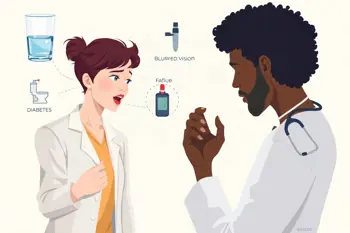
Warning signs that may indicate diabetes can include increased thirst, frequent urination, unusual hunger, fatigue, blurred vision, slow-healing sores, recurring infections, and unexplained weight loss. These symptoms do not confirm diabetes on their own, because other conditions can produce similar changes, but a persistent pattern warrants discussion with a qualified health professional.
Common changes involving thirst and urination
Increased urination and unusual thirst are among the most recognized warning signs. When blood glucose rises, excess glucose can pass into urine and draw additional water from the body, increasing urine volume. The resulting fluid loss may produce persistent thirst, including a need to drink more often than usual or wake during the night to urinate. These two symptoms frequently appear together when glucose is elevated. 1
Urination frequency is individual, and increased bathroom visits can also have other explanations. Changes in fluid intake, urinary conditions, prostate problems, and changes associated with menopause may contribute. The clinically relevant signal is a noticeable change from a person’s usual pattern, especially when it occurs alongside thirst, fatigue, blurred vision, or unexplained weight change. A healthcare professional can determine whether diabetes testing is appropriate. 2
Hunger, fatigue, and unexplained weight change
Some people with diabetes feel unusually hungry even after eating. This can occur when glucose remains in the bloodstream instead of moving effectively into cells for energy. Persistent tiredness may accompany the same metabolic problem, although fatigue is not specific to diabetes and can also result from sleep disruption, stress, infection, or other medical conditions. The combination of increased hunger and ongoing fatigue is more informative than either symptom alone. 1
Unexplained weight loss is particularly important when it occurs despite normal or increased food intake. It is commonly associated with type 1 diabetes, in which symptoms may develop quickly over days or weeks, although symptom patterns vary among adults. Weight loss without an intentional change in diet or activity should be medically assessed rather than attributed automatically to diabetes. 1
- Increased appetite or hunger soon after meals
- Persistent tiredness despite adequate rest
- Weight loss without planned dietary or exercise changes
Vision, skin, wounds, and infections
Blurred vision may occur when high blood glucose changes fluid balance in the tissues of the eye and affects focusing. Vision changes can be temporary or persistent, and they have many possible causes. A new or recurring change in vision therefore should not be self-diagnosed as diabetes. It is a reason to discuss both eye symptoms and possible glucose testing with a healthcare professional. 1
Diabetes may also be associated with sores that heal slowly and frequent infections, including urinary tract, skin, or yeast infections. These findings are warning signs rather than diagnostic proof. A cut that does not heal, repeated infections, or a noticeable change in healing should be evaluated, particularly when accompanied by thirst, urination changes, or fatigue. 1
| Possible sign | What it may indicate |
|---|---|
| Blurred vision | Changes associated with elevated glucose or another eye condition |
| Slow-healing sore | Possible glucose-related healing problem or another medical issue |
| Recurring infection | A symptom requiring clinical assessment, not a diagnosis by itself |
How type 1, type 2, and prediabetes differ
Type 1 diabetes symptoms often develop rapidly, sometimes over a few days or weeks, and may include thirst, frequent urination, increased eating with weight loss, and sudden deterioration. Type 1 diabetes can begin in children, young adults, or later adulthood. Type 2 diabetes can develop more gradually, and some people have few noticeable symptoms. This difference means that the absence of dramatic symptoms does not exclude type 2 diabetes. 1
Prediabetes generally causes no noticeable symptoms, even though blood glucose is above the usual range and below the diagnostic threshold for diabetes. Johns Hopkins reports that more than two in five adults in the United States have prediabetes, making routine assessment important for people with relevant risk factors. Symptoms alone cannot reliably identify prediabetes, so blood testing is central to detection. 5
Why symptoms may be missed
Early diabetes can be difficult to recognize because thirst, tiredness, dry mouth, blurred vision, and urinary changes are easy to attribute to heat, poor sleep, stress, aging, or increased fluid intake. Some people have no symptoms at all, particularly in the early stages of type 2 diabetes. For that reason, a routine health assessment may identify abnormal glucose before a person notices a clear warning pattern. 4
Risk-based screening is relevant even without symptoms. The supplied clinical reporting identifies family history, prediabetes, polycystic ovary syndrome, previous gestational diabetes, and overweight or obesity as factors associated with a need for earlier or regular testing. Pregnancy also has specific screening considerations because gestational diabetes may not produce obvious symptoms. 4
- No symptoms does not guarantee normal blood glucose.
- Several symptoms can have causes unrelated to diabetes.
- Risk factors can justify testing even when a person feels well.
Testing and symptoms requiring urgent care
Diabetes, prediabetes, and gestational diabetes are diagnosed with blood tests that measure glucose or related indicators. An over-the-counter glucose meter can show a reading but cannot independently diagnose diabetes. Anyone experiencing possible symptoms should discuss appropriate testing with a doctor, nurse practitioner, or physician assistant rather than relying on symptoms or home readings alone. 3
Severe symptoms require a higher level of concern than mild, gradual changes. Vomiting, confusion, dehydration, or trouble breathing can occur with serious glucose-related illness and require urgent medical attention. The risk is particularly concerning when symptoms develop rapidly, as can happen with type 1 diabetes. Timely clinical evaluation is important because untreated diabetes can contribute to kidney, eye, nerve, cardiovascular, and other complications over time. 6
Sources
- National Institute of Diabetes and Digestive and Kidney Diseases, Symptoms & Causes of Diabetes
- WRAL, 6 Early Signs of Diabetes
- National Institute of Diabetes and Digestive and Kidney Diseases, Diabetes Tests & Diagnosis
- MedicalXpress, Five Warning Signs of Diabetes
- Johns Hopkins Medicine, Prediabetes
- Acibadem Hospitals Group, Diabetes Symptoms: Common Causes, Related Conditions, and When to Act
Authored by 24Trendz team