Ways to manage constipation at home: Clinical perspectives on lifestyle and digestive health
Constipation is a highly common gastrointestinal concern, affecting approximately 15 percent of the American population 11. It is generally defined by experiencing fewer than three bowel movements per week, though individuals may also report symptoms such as hard, dry stools, straining during evacuation, or a persistent sensation of incomplete emptying 6, 9. While occasional irregularity is often linked to transient environmental changes, such as travel or dietary shifts, chronic constipation may necessitate a clinical evaluation to rule out underlying conditions like irritable bowel syndrome or other digestive disorders 7, 8.
Dietary Adjustments for Digestive Regularity
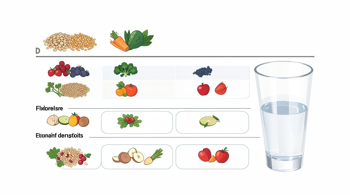
Increasing dietary fiber intake serves as a primary, first-line approach for managing constipation 2. Adults are generally advised to consume between 21 and 38 grams of fiber daily to facilitate smoother digestion 2. Fiber adds necessary bulk to stool, making it easier to pass through the gastrointestinal tract 4. Recommended high-fiber sources include legumes such as lentils and black beans, whole grains like oatmeal and bran, fruits with edible skins like apples and pears, and vegetables such as broccoli and green peas 4. Conversely, individuals experiencing symptoms are often advised to limit the intake of low-fiber, highly processed foods, including certain snack chips, fast food, and prepared frozen meals 4.
The Role of Hydration and Fluid Balance
Adequate fluid intake is essential for fiber to function effectively within the digestive system 4. When increasing fiber consumption, it is critical to also increase water intake to prevent the stool from becoming harder and more difficult to pass 1. Gastroenterologists often recommend that patients maintain consistent hydration throughout the day, though specific fluid requirements can vary based on individual activity levels, body size, and local climate 4, 6. Proper hydration helps ensure that fiber absorbs enough water to form a soft, manageable stool 4.
Physical Activity and Bowel Motility
Regular physical exercise can significantly influence digestive motility, as movement helps stimulate the natural contractions of the intestinal muscles 1, 13. Engaging in routine physical activity, such as a daily walk, is a commonly suggested strategy for those struggling with chronic or recurring irregularity 1. Exercise serves to encourage the transit of waste through the colon, potentially reducing the duration of time stool spends in the digestive tract 3. Sedentary behavior is frequently identified as a contributing factor to slower bowel function 3.
Behavioral Techniques for Bowel Training
Bowel training involves establishing a consistent routine to help the body recognize when it is time to evacuate 1. Experts suggest that attempting a bowel movement at the same time each day-such as 15 to 45 minutes after breakfast-can be effective because the digestive system is naturally more active after a meal 1. Furthermore, body positioning on the toilet can impact the ease of evacuation; using a specialized footstool to simulate a squatting posture can help align the rectum, potentially reducing the strain required to pass stool 1, 7.
Pharmacological Considerations and Supervision
For acute or persistent cases, medical professionals may suggest over-the-counter interventions as a temporary measure 1. These generally fall into three categories: fiber supplements, which add bulk; osmotic agents like polyethylene glycol or milk of magnesia, which draw water into the colon; and stool softeners, which add moisture to the waste 1. Prunes and prune juice are also recognized for their dual effect, providing both insoluble fiber and sorbitol, a natural sugar alcohol that acts as an osmotic laxative 11. It is imperative to consult a healthcare provider before starting or altering any medication regimen, as some drugs-including certain pain relievers, iron supplements, and antidepressants-can be common contributors to constipation 1, 3.
When to Consult a Medical Professional
While most cases of simple constipation respond to home-based lifestyle modifications, it is necessary to seek professional advice if constipation is chronic, sudden in onset, or accompanied by symptoms such as unintended weight loss, blood in the stool, or severe abdominal pain 3, 5. Identifying the root cause is essential, as medications or dietary habits are not the only potential triggers 8. A clinical evaluation helps differentiate between functional constipation and more complex conditions, ensuring that treatment plans remain safe and effective for the individual's specific health profile 8.
Sources
- National Institute of Diabetes and Digestive and Kidney Diseases (NIDDK): Treatment for Constipation
- Harvard Health Publishing: 8 ways to get constipation relief
- Health New Zealand: Constipation in adults
- NIDDK: Eating, Diet, & Nutrition for Constipation
- Merck Manual: Constipation in Adults
- Prevention: How to Relieve Constipation Fast, According to Doctors
- Good Housekeeping: 12 Home Remedies for Constipation, According to Doctors
- MSD Manual: Constipation in Adults
- Oshi Health: Constipation Relief: What Works, According to GI Experts
- Hackensack Meridian Health: Can’t Go? Try These Home Remedies for Constipation
Authored by 24Trendz team