Effective ways to manage constipation naturally: A Research-Based Review of Clinical Strategies
Constipation is a prevalent digestive concern that affects approximately 1 in 7 adults, frequently manifesting through symptoms such as infrequent bowel movements, hard or lumpy stools, and a persistent sensation of incomplete evacuation 5, 7. While common, the condition is often viewed as a clinical signal of broader physiological imbalances rather than a simple, isolated symptom 9. Managing this issue requires a multifaceted approach, as the condition is often influenced by an interplay of diet, stress, physical activity, and gut motility 7, 8. This article analyzes the current research regarding natural, lifestyle-oriented interventions to support consistent bowel function.
The Role of Dietary Fiber in Digestive Motility
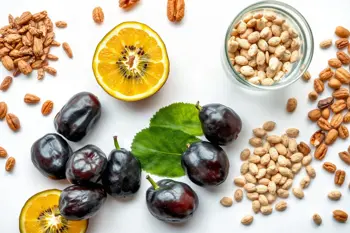
Dietary fiber is widely regarded as a primary intervention for improving stool consistency and frequency 2, 4. Adults are generally advised to aim for a daily fiber intake of 21 to 38 grams, though average consumption often falls significantly short of these targets 2, 4. Fiber operates through two primary mechanisms: soluble fiber absorbs water to form a gel-like consistency that softens stool, while insoluble fiber adds bulk, facilitating movement through the digestive tract 2, 4. Clinical research highlights that sources such as beans, whole grains, fruits, vegetables, nuts, and seeds are effective components of a fiber-rich dietary pattern 4.
While fiber is essential, it must be introduced gradually to prevent bloating and discomfort 9. Evidence suggests that specific foods, including kiwifruit and prunes, offer targeted benefits for motility due to their unique composition of fiber and natural sugar alcohols like sorbitol 3. Additionally, fiber supplements, particularly psyllium, have been shown to support regularity when combined with adequate fluid intake 1, 3. Without sufficient hydration, however, fiber can potentially exacerbate existing blockages, making water consumption an inseparable component of any fiber-based strategy 1, 9.
Hydration and the Gastrocolic Reflex
Maintaining adequate fluid intake is critical for digestive efficiency, as water is necessary to prevent stools from becoming hard, dry, and difficult to pass 4, 7. Beyond standard water intake, certain fluids may trigger the gastrocolic reflex, a physiological response where the act of eating or drinking stimulates the colon to move stool 1, 9. Warm beverages, including warm water or coffee, are frequently noted in clinical discussions as aids to encourage this reflex and assist in regular bowel habits 9.
Integrating Physical Activity and Bowel Training
Physical activity serves as a functional tool to improve intestinal motility, often helping to reduce the time waste spends within the digestive system 1, 9. Beyond exercise, bowel training can provide a structured approach to managing irregularity 1. Experts suggest establishing a consistent daily routine, such as attempting to use the restroom shortly after breakfast, to leverage the body's natural morning motility 1. This behavioral approach also emphasizes the importance of responding promptly to the body's urge to defecate, as delaying the process can lead to hardened stool 1, 7.
Posture during bowel movements is another mechanical factor that can influence ease of passage. Utilizing a footstool to elevate the knees above the hips mimics a squatting position, which may align the rectum more effectively for evacuation 1. Relaxing the pelvic floor muscles while on the toilet is similarly recommended to minimize straining, a practice that reduces the physical stress often associated with difficult bowel movements 1, 5.
Understanding Triggers and Modifying Habits
Constipation often stems from complex factors that go beyond simple dietary lacks, including stress, travel, hormonal changes, and medication side effects 7. Hormones such as progesterone are known to slow gut motility, which explains why some individuals experience increased irregularity during specific times of the month or during pregnancy 5, 7. Medications, including certain antidepressants, iron supplements, and opiates, can also alter bowel function 7. When these factors are suspected, clinical guidance dictates that individuals should consult with a healthcare professional before altering the dosage or discontinuing any prescribed treatment 1.
| Factor | Impact on Digestion |
|---|---|
| High-Fiber Diet | Softens stool and increases bulk |
| Hydration | Essential for proper fiber function |
| Physical Activity | Stimulates colon motility |
| Bowel Routine | Supports natural biological rhythms |
| Stress | Activates fight-or-flight, slowing gut function |
When to Seek Professional Medical Evaluation
While many cases of constipation are manageable through lifestyle adjustments, certain symptoms indicate a need for a professional medical workup to rule out structural or underlying pathologies 7. A clear, sustained change in bowel habits lasting several weeks necessitates evaluation, as does the presence of blood in the stool or unexplained weight loss 7. Furthermore, severe or persistent abdominal pain, vomiting, fever, or an inability to pass gas are considered red flags that require immediate medical attention 7, 8.
Professional diagnosis often involves investigating chronic issues like slow transit, where the colon moves waste too slowly, or outlet obstruction, which involves structural or muscular difficulties at the point of exit 9. A multidisciplinary team may be required to address root causes such as gut dysbiosis, thyroid dysfunction, or methane-dominant small intestinal bacterial overgrowth (SIBO) 9. By viewing constipation as a symptom of potential systemic issues, individuals can better engage with healthcare providers to develop tailored, effective strategies that go beyond generic advice 9.
Sources
- National Institute of Diabetes and Digestive and Kidney Diseases: Treatment for Constipation
- Harvard Health Publishing: 8 ways to get constipation relief
- Frontiers in Pharmacology: Dietary strategies for chronic constipation
- Consumer Reports: The Right Foods for Constipation Relief
- BBC Science Focus: Gut health and constipation
- Oshi Health: Constipation relief and causes
- The Doctor’s Kitchen: How to relieve constipation naturally
- ConstipationRelief.net: Natural Remedies for Constipation
- The Real Gut Doctor: Constipation Causes and Remedies
Authored by 24Trendz team