Early symptoms of hepatitis C you should know: Clinical insights and diagnostic realities
The Silent Nature of Hepatitis C Infection
Hepatitis C is frequently described as a silent disease because a significant majority of individuals do not experience noticeable symptoms during the initial phase of infection 6. The virus, which causes inflammation and potential long-term damage to the liver, often progresses for years or even decades without causing a patient to feel unwell 3. Because the onset of the disease is rarely marked by overt clinical signals, many individuals remain unaware of their status until liver damage has become advanced 5. This reality underscores the importance of proactive screening for those who may have been exposed to the hepatitis C virus (HCV) 5.
While acute hepatitis C is defined as an infection occurring within the first six months of exposure, data indicates that approximately 70% to 80% of people in this acute stage report no symptoms at all 3. When symptoms do occur, they typically manifest between two weeks and twelve weeks following initial exposure 4. The lack of physical warnings in the early stages often leads to delayed diagnoses, which is why clinical guidelines often recommend one-time screenings for adults within specific age ranges or those with identified risk factors 5.
Recognizing Potential Acute Symptoms
For the minority of individuals who do experience symptoms during the acute phase of hepatitis C, the clinical presentation can range from mild to severe 6. Early indicators often reflect a systemic response to the virus rather than localized liver pain. Commonly reported early symptoms include persistent fatigue, fever, and general malaise 2. Additionally, many patients experience muscle aches and joint pain, which may be mistaken for other common illnesses 9. These generalized symptoms often occur before more specific markers of liver distress appear 9.
Beyond systemic fatigue and aches, gastrointestinal disturbances are frequent indicators of initial liver stress. Patients may report a noticeable loss of appetite and episodes of nausea or vomiting 4. Some individuals experience discomfort in the upper right quadrant of the abdomen, the anatomical location of the liver 4. These early-stage indicators are non-specific, meaning they do not automatically confirm a hepatitis C diagnosis, but they do warrant a clinical evaluation to rule out viral infections or other hepatic conditions 4.
Markers of Liver Dysfunction
When the hepatitis C virus significantly impacts liver function, specific markers often appear that are more indicative of liver inflammation. Jaundice, characterized by the yellowing of the skin and the whites of the eyes, is a classic, though not universal, sign of significant liver involvement 2. This physical change occurs when the liver fails to process bilirubin effectively, leading to its accumulation in the body. Simultaneously, individuals may observe changes in their excretory output, specifically dark-colored urine or pale, clay-colored stools 6.
| Symptom Category | Specific Clinical Manifestations |
|---|---|
| Systemic | Fatigue, fever, malaise, muscle/joint pain |
| Gastrointestinal | Nausea, vomiting, loss of appetite, abdominal pain |
| Liver Function Markers | Jaundice (yellowing of skin/eyes), dark urine, clay-colored stools |
The Progression to Chronic Infection
A critical aspect of hepatitis C research is the transition from acute to chronic status. If the immune system does not clear the virus within the first six months, the infection is categorized as chronic hepatitis C 3. Statistical models indicate that approximately 75% to 85% of people who are initially infected with the virus will develop this long-lasting, chronic infection 10. Once the disease reaches the chronic stage, the virus continues to replicate, slowly causing structural damage to the liver tissue over many years 5.
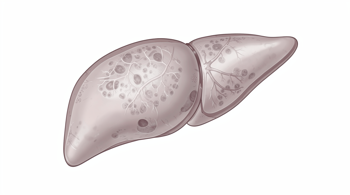
Chronic hepatitis C is rarely characterized by acute symptom flares until the damage has resulted in cirrhosis or liver failure 3. Signs of advanced liver damage, such as fluid retention in the legs or abdomen, unexplained bleeding or bruising, and sudden confusion, are indicative of significant scarring and impaired detoxification functions 4. Given this progression, the absence of symptoms is not an indication of health, and the focus of public health initiatives remains on testing and early intervention to halt viral replication before irreversible damage occurs 3.
Risk Factors and Transmission Routes
Understanding transmission is as vital as recognizing symptoms, particularly for those who may not be aware of their exposure history. The hepatitis C virus is strictly bloodborne, meaning it spreads through direct contact with infected blood 4. Historically, blood transfusions and organ transplants conducted before 1992 posed a significant risk, though current screening protocols have rendered this route rare in many regions 4. Today, the most common methods of transmission involve the sharing of needles or equipment used for drug injection, as well as unsafe medical practices in resource-limited settings 2.
Healthcare and public safety workers remain at potential risk through accidental needlestick injuries or mucosal exposure to contaminated fluids 6. It is also important to note that while sexual transmission of the virus is considered low in stable, monogamous relationships, the risk increases with practices that lead to blood exposure 2. Because the virus is not spread through casual contact like hugging, kissing, or sharing food, the primary clinical concern remains focused on direct blood-to-blood interactions 4.
Diagnostic Necessity and Clinical Outlook
Because most individuals with hepatitis C remain asymptomatic, diagnostic testing is the only definitive way to confirm an infection. Screening typically involves a blood test that detects antibodies to the hepatitis C virus, indicating past or present exposure 9. If the screening is positive, follow-up tests are conducted to confirm the presence of the virus itself 9. Early diagnosis is increasingly vital, as modern direct-acting antiviral medications can cure the vast majority of hepatitis C cases, often with minimal side effects 2.
Patients who receive an early diagnosis can benefit from treatment regimens that typically last between 8 and 12 weeks, significantly reducing the risk of developing long-term complications like liver cancer or cirrhosis 3. Without such interventions, the silent nature of the disease allows it to cause cumulative, permanent damage. Consequently, clinical professionals advocate for standardized testing for those with high-risk histories or, in many cases, universal one-time screening for adults, regardless of identified risk factors 5.
Sources
- National Institute of Diabetes and Digestive and Kidney Diseases: Hepatitis C
- World Health Organization: Hepatitis C Fact Sheet
- Liver UK: Hepatitis C Overview
- North Carolina Department of Health and Human Services: Hepatitis C
- Cleveland Clinic: Hepatitis C Information
- Rhode Island Department of Health: Hepatitis C Information
- Mayo Clinic: Hepatitis B vs. Hepatitis C
- NewYork-Presbyterian: Health Matters: Hepatitis C
- Mayo Clinic: Hepatitis C Screening
- Sharecare: Know Your Hepatitis C Symptoms
Authored by 24Trendz team