Warning signs of colon cancer: Clinical symptoms and when evaluation matters
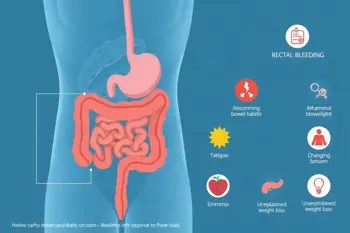
Warning signs of colon cancer can include blood in the stool, persistent changes in bowel habits, abdominal discomfort, fatigue, and unexplained weight loss. These symptoms often have causes other than cancer, but ongoing or unusual changes should be discussed with a healthcare professional rather than attributed automatically to hemorrhoids, constipation, or a temporary digestive illness. Colorectal cancer may develop from polyps in the lining of the colon or rectum, and early disease can produce no symptoms. 1
Why warning signs deserve attention
Colon cancer forms in the tissues of the colon, the longest section of the large intestine. When cancer involves the rectum as well, the condition is generally described as colorectal cancer. Most colon cancers are adenocarcinomas that begin in cells lining the bowel, and many develop from polyps that were initially noncancerous. Because polyps and early cancers may cause no noticeable changes, symptoms alone cannot identify every case. 5
The absence of symptoms does not establish that the colon is healthy. Routine screening can detect colorectal cancer before symptoms appear and can also identify precancerous polyps. For adults at average risk in the United States, the U.S. Preventive Services Task Force recommends screening beginning at age 45. People with inflammatory bowel disease, a personal or family history of cancer or advanced polyps, or inherited conditions may have different screening considerations. 9
Blood in the stool or rectal bleeding
Rectal bleeding is one of the most recognizable warning signs. Blood may appear on toilet tissue, on the surface of stool, mixed into stool, or as stool that looks dark or tarry. Bleeding can also be hidden and detected only through testing. Hemorrhoids and other conditions may cause visible blood, but assuming that bleeding has a harmless explanation can delay assessment, particularly when it persists or occurs with bowel changes. 3
Slow blood loss can contribute to iron-deficiency anemia, which may appear as persistent tiredness, weakness, reduced stamina, or shortness of breath during ordinary activity. A person may not see blood even when bleeding is occurring inside the bowel. Heavy bleeding, black or tarry stools, dizziness, or fainting requires urgent medical evaluation because these findings may indicate substantial blood loss or another serious gastrointestinal problem. 2
Changes in bowel habits
A lasting change in normal bowel function may involve constipation, diarrhea, alternating constipation and diarrhea, increased or reduced stool frequency, or a change in stool consistency. Narrower stools can also occur. The important feature is a pattern that is persistent, recurrent, or clearly different from a person’s usual bowel habits, rather than a single episode related to diet, infection, or temporary stress. 4
Some people describe a sensation that the bowel has not emptied completely after using the toilet. This feeling may occur with other digestive disorders, but it becomes more concerning when it accompanies rectal bleeding, abdominal discomfort, anemia, or an unexplained change in weight. Symptoms can vary according to the tumor’s location and size, so no single bowel pattern rules cancer in or out. 5
Abdominal pain, cramping, and bloating
Colon cancer may cause abdominal pain, cramping, bloating, or a general sense of discomfort. These symptoms can be intermittent or persistent and may occur alongside changes in bowel movements. Abdominal symptoms are common across many conditions, including infections and functional bowel disorders, so they are not specific to cancer. Their significance increases when they are new, unexplained, progressive, or accompanied by bleeding or altered stool patterns. 6
Severe abdominal pain is a reason for urgent medical assessment, particularly when it occurs with vomiting, marked swelling, inability to pass stool or gas, dizziness, or fainting. The supplied clinical sources emphasize that symptoms should be interpreted in context, including duration, severity, medical history, and associated findings. A healthcare professional may determine whether examination, blood testing, stool testing, colonoscopy, or imaging is appropriate. 2
Fatigue, anemia, and unexplained weight loss
Persistent fatigue or weakness may result from anemia caused by slow, hidden bleeding in the colon. Anemia reduces the blood’s oxygen-carrying capacity and can produce reduced energy or weakness, although these symptoms also have many other possible causes. When fatigue is unexplained, ongoing, or combined with blood in the stool or altered bowel habits, medical evaluation can help identify whether blood loss or another condition is involved. 1
Unintentional weight loss is another potential warning sign. Weight loss is more concerning when it occurs without a deliberate change in diet or activity and is accompanied by abdominal symptoms, bowel changes, fatigue, or reduced appetite. It does not prove the presence of cancer, but unexplained weight loss should not be dismissed, especially if it continues or occurs with other gastrointestinal symptoms. 4
When to seek evaluation and how screening differs
Persistent rectal bleeding, repeated changes in bowel habits, ongoing abdominal pain, unexplained weight loss, or fatigue associated with possible anemia should be discussed with a healthcare professional. The same symptoms may result from hemorrhoids, irritable bowel syndrome, infection, inflammatory bowel disease, or other causes. A symptom-based evaluation is different from routine screening, which is intended for people who do not have symptoms and is used to find cancer or precancerous growths earlier. 8
Risk assessment affects when and how screening is considered. Relevant factors include a personal history of colon cancer or certain polyps, a first-degree relative with colon cancer or advanced polyps, inflammatory bowel disease, and inherited syndromes such as Lynch syndrome or familial adenomatous polyposis. Colorectal cancer rates have also increased among younger adults, including people below the age traditionally associated with the disease, making persistent symptoms important at any age. 7
Sources
- Centers for Disease Control and Prevention
- National Cancer Institute
- American Cancer Society
- Mayo Clinic
- Penn Medicine
- Cleveland Clinic
- UCLA Health
- American College of Surgeons, reported by MedicalXpress
- U.S. Preventive Services Task Force
Authored by 24Trendz team