Effective ways to manage joint stiffness naturally: A Research-Based Analysis of Mobility Maintenance
Joint stiffness often serves as a biological signal indicating underlying mechanical friction or inflammatory responses within the musculoskeletal system 7. Individuals frequently notice these changes as they age, with sensations of rigidity, particularly after periods of inactivity or upon waking in the morning 3, 4. Understanding the structural components of the joint-including articular cartilage and synovial fluid-is fundamental to adopting strategies that support long-term mobility and function 3, 8.
The Mechanical Basis of Joint Rigidity
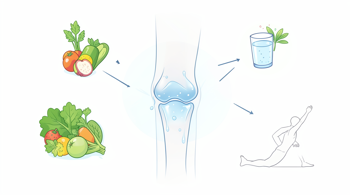
Joint stiffness frequently originates from changes in the lubricating environment of the joint space. Synovial fluid, a gel-like substance, functions similarly to motor oil, allowing bones to glide smoothly without direct friction 3. Over time, the production of this fluid may decrease, or its viscosity may change, rendering it less effective at cushioning joint structures 3. Simultaneously, articular cartilage, which coats the ends of bones, may thin and lose water content, further contributing to a loss of smooth range of motion 6.
When these mechanical support systems degrade, the result is often characterized as bone-on-bone friction 3, 6. Beyond natural aging, factors such as chronic inflammation, sedentary lifestyles, and carrying excess body weight can accelerate this process 8, 9. Addressing these triggers requires a shift from viewing stiffness as an inevitable consequence of aging to seeing it as a condition that responds to consistent, proactive biomechanical and systemic management 8.
Nutritional Foundations and Anti-Inflammatory Support
Managing joint health from the inside out involves addressing systemic inflammation, which can exacerbate discomfort and restrict movement 5, 8. Certain compounds have been identified for their potential to inhibit inflammatory enzymes. Curcumin, the active compound in turmeric, is frequently cited for its anti-inflammatory properties, though its absorption is often enhanced when combined with black pepper and healthy fats 5. Antioxidants found in a diet rich in polyphenols-such as berries, green tea, and dark chocolate-also provide a chemical shield that helps protect synovial fluid and cartilage from oxidative stress 5.
Fatty acid balance plays a critical role in systemic anti-inflammatory responses. While long-chain omega-3s from fish oil are well-documented, plant-based sources like flaxseeds, chia seeds, and walnuts provide omega-3 ALA, which acts as a precursor to other anti-inflammatory molecules 5. Consistent hydration is equally essential for maintaining the integrity of joint tissues, as water content directly influences the cushioning capacity of cartilage 3, 9.
The Role of Targeted Physical Activity
Movement is considered one of the most effective ways to improve joint lubrication and preserve functional range of motion 3, 9. Low-impact activities, such as swimming, cycling, or walking, allow for joint movement without subjecting the structures to excessive mechanical stress 11. A balanced exercise program typically integrates aerobic conditioning with specific flexibility and muscle-strengthening work, which supports the joints by stabilizing the surrounding soft tissues 12, 17.
| Activity Type | Potential Benefit |
|---|---|
| Low-impact aerobic | Improves circulation and joint lubrication without high stress. |
| Flexibility/Yoga | Increases range of motion and functional mobility. |
| Strength Training | Supports joints by reinforcing surrounding muscle groups. |
Physical therapy remains a cornerstone for those seeking individualized guidance on safe movement strategies. A qualified professional can design a regimen that protects joints during daily activities while addressing specific weaknesses or imbalances 13, 15.
Temperature Therapy and Recovery Protocols
Thermal interventions serve as practical tools for immediate, short-term management of stiffness. Heat therapy is primarily used to relax muscles and increase blood flow to the joint area, which can make morning movement feel more accessible 12. Conversely, cold therapy is often employed to mitigate pain and manage swelling in the aftermath of physical activity 11, 12. These methods do not resolve underlying structural issues but can facilitate a more comfortable environment for exercise and daily tasks 13.
Planning is also a vital component of managing stiffness, particularly during morning routines. Individuals who experience stiffness often find it beneficial to prepare for the day the night before, such as setting out clothing or organizing workspace items to minimize unnecessary morning exertion 1. Incorporating consistent sleep hygiene-such as maintaining a regular sleep schedule and optimizing the bedroom environment-can also assist in managing the fatigue that often accompanies chronic joint pain 1.
Weight Management and Biomechanical Load
Weight management is a primary factor in reducing mechanical load on weight-bearing joints, particularly the knees and hips 11. Even modest reductions in body weight can significantly lower the force exerted on cartilage during everyday movements like standing, walking, or climbing stairs 12, 18. By reducing this mechanical stress, individuals may experience a decrease in pain symptoms and a stabilization of joint function over time 11, 16.
The relationship between weight and joint stress underscores the importance of a comprehensive, non-drug approach to joint care. When lifestyle modifications are successfully integrated, they can serve as a foundation for sustaining movement, reducing the dependency on reliance-heavy interventions 12, 13. These adaptations, however, are intended to support long-term wellness and do not replace professional evaluation when structural damage is severe 14.
When to Seek Professional Assessment
While natural approaches can effectively manage many instances of joint stiffness, it is vital to recognize when symptoms require medical investigation. Persistent morning stiffness that lasts longer than 30 minutes may indicate conditions beyond routine wear and tear 4. Furthermore, clinical red flags such as localized warmth, visible redness, acute swelling, systemic fever, or severe pain warrant an immediate consultation with a healthcare professional 11.
Diagnostic tools like X-rays, CT scans, MRIs, and ultrasounds allow medical professionals to rule out or identify specific conditions that may be driving the discomfort 2. These examinations ensure that the management plan is safe and appropriate for the individual's specific health profile. Relying on self-management for conditions that require medical intervention can lead to long-term complications, highlighting the necessity of combining natural strategies with periodic professional oversight 4, 9.
Sources
- https://www.arthritis-uk.org/information-and-support/understanding-arthritis/managing-arthritis-symptoms/managing-stiffness/
- https://www.mayoclinic.org/diseases-conditions/arthritis/diagnosis-treatment/drc-20350777
- https://www.aarp.org/health/healthy-living/how-to-lubricate-joints-naturally/
- https://www.zoomhealth.co.uk/caring-for-stiff-and-painful-joints-naturally/
- https://karamd.com/blogs/blog-posts/12-evidence-based-ways-to-reduce-joint-stiffness-anti-inflammatory-foods-micro-movements-and-recovery
- https://www.lanfamhealth.com/post/joint-stiffness-playbook
- https://biomedicus.gr/relieve-stiff-aching-joints/
- https://yourhealthrights.com/natural-remedies-support-joint-mobility/
- https://nutrivity.co.uk/how-to-improve-joint-mobility-naturally/
- https://www.cdc.gov/arthritis/basics/physical-activity-overview.html
- https://www.niams.nih.gov/health-topics/osteoarthritis
- https://www.nhs.uk/conditions/osteoarthritis/treatment/
- https://www.nccih.nih.gov/health/glucosamine-and-chondroitin-for-osteoarthritis
- https://www.cochrane.org/CD004286/MUSKEL_exercise-for-osteoarthritis-of-the-knee
- https://www.mayoclinic.org/diseases-conditions/osteoarthritis/diagnosis-treatment/drc-20351929
- https://www.arthritis.org/health-wellness/healthy-living/physical-activity/getting-started/exercise-and-arthritis
- https://medlineplus.gov/osteoarthritis.html
- https://www.who.int/news-room/fact-sheets/detail/physical-activity
- https://rheumatology.org/patients/osteoarthritis
Authored by 24Trendz team