Signs you may have adult acne: An analytical review of clinical indicators and diagnostic patterns
Adult acne is a common dermatological condition, affecting a significant portion of the adult population beyond the adolescent years 3. While often historically associated with puberty, clinical observations indicate that approximately 15% of adult women and 5% of adult men report clinically significant acne 3. Recognizing the specific signs of adult acne is the first step toward effective management, as this condition often presents with unique biological and behavioral characteristics that differentiate it from the acne seen during the teenage years 2, 7.
Identifying the Physical Presentation of Adult Acne
One of the most defining characteristics of adult acne is its localization on the face. Unlike teenage acne, which frequently targets the T-zone, chest, and back, adult acne typically concentrates on the lower third of the face, including the jawline, chin, and neck area 1, 2, 5. Individuals may observe deep, inflammatory papules and cysts that are often more painful and slower to heal than the surface-level whiteheads or blackheads common in adolescence 1, 2, 5. Because adult skin often exhibits increased sensitivity and lower oil production compared to younger skin, these lesions may cause greater irritation and persistent redness 2, 8.
Hormonal Patterns and Cyclical Flares
Hormonal fluctuations serve as a primary driver for many cases of adult acne, particularly in women 1, 5, 9. A telltale sign of hormonally influenced acne is the predictability of breakouts, which often align with the menstrual cycle 1, 3. These flares are typically triggered by shifts in androgen and progesterone levels, which stimulate sebaceous glands to increase sebum production 3, 4. Furthermore, periods of transition such as perimenopause can significantly destabilize the hormonal environment, potentially triggering new-onset acne in individuals who previously maintained clear skin 1, 3.
Distinguishing Acne from Mimicking Conditions
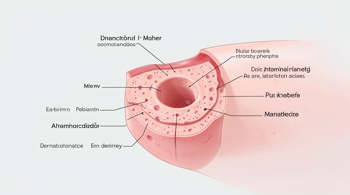
It is clinically important to distinguish true acne vulgaris from other skin conditions that share similar visual markers, such as rosacea, folliculitis, or perioral dermatitis 6. Misidentifying these conditions can lead to the use of ineffective or even harmful treatments that exacerbate skin irritation 6, 7. For instance, whereas acne is characterized by specific inflammatory lesions like comedones and cysts, rosacea may present with persistent redness and visible blood vessels, which require fundamentally different medical approaches 4, 6. A professional evaluation is necessary to rule out these mimicries 6.
The Role of Lifestyle and External Triggers
While biological factors often initiate acne, external environmental factors frequently sustain the condition in adulthood 6. Stress, for example, is a known contributor that can elevate cortisol levels, which in turn influences oil gland activity 5, 7, 8. Additionally, the use of comedogenic cosmetics or hair products can physically block pores, leading to inflammatory reactions on already sensitive adult skin 7, 8. Friction from clothing or accessories, combined with a compromised skin barrier, may also contribute to the persistence of breakouts in specific zones 6.
When to Seek Professional Dermatological Evaluation
Persistent or severe acne that results in scarring or significant emotional distress warrants a professional medical assessment 4, 7. Furthermore, if breakouts are accompanied by systemic signs such as irregular menstrual periods, unexpected hair thinning, or the development of excess facial hair, these may be clinical markers for an underlying hormonal disorder like polycystic ovary syndrome (PCOS) 3, 8. A dermatologist can conduct a comprehensive review of medication history, lifestyle patterns, and hormonal indicators to create a tailored management plan 6, 7, 9.
The Impact of Long-Term Skin Changes
Adult acne often leaves lingering evidence on the skin, even after the active lesions have subsided 5. Post-inflammatory hyperpigmentation, characterized by dark or red marks, is a frequent concern that requires distinct clinical attention separate from active acne treatment 7, 8. The goal of professional treatment is not only to clear current breakouts but also to preserve the integrity of the skin barrier and prevent permanent textural changes or scarring, which become more difficult to address as the skin naturally loses its elasticity with age 7, 8.
Sources
- https://healthtalk.unchealthcare.org/why-do-i-still-get-pimples/
- https://cityskinclinic.com/adult-acne/
- https://dermatologyseattle.com/our-clinic/blog/adult-acne-causes-treatments/
- https://acibademinternational.com/health-library/hormonal-acne-explained-by-medical-evidence-not-myths/
- https://parkplazadermatology.com/why-adult-acne-breakouts-continue-after-20s/
- https://forefrontdermatology.com/why-adult-acne-is-different-and-what-actually-helps/
- https://skinglowdermatology.com/breaking-adult-causes-acne-triggers-dermatology/
- https://dermavue.com/blog/acne-in-adults-over-30/
- https://www.health.com/acne-after-age-forty-11986845
- https://dehesadermatology.com/adult-acne-why-it-happens-after-25-and-what-actually-clears-it/
Authored by 24Trendz team