Yoga for Busy Professionals: A Strategic Approach to Mitigating Workplace Physical and Mental Strain
The contemporary professional landscape is characterized by high-stakes decision-making, extended periods of sedentary screen time, and a near-constant state of digital connectivity 1. As many professionals spend more than six hours daily at a desk, the cumulative effect of this environment often manifests as chronic physical tension, such as shortened hip flexors, weakened gluteal muscles, and cervical strain known as tech-neck 2. Rather than requiring substantial time commitments or specialized equipment, emerging wellness trends focus on integrating micro-workouts and mindful movement directly into the workday to manage stress and improve ergonomic health 3. This article analyzes the application of yoga as a tool for physical and mental regulation within a high-pressure corporate context.
The Physiological Impact of Sedentary Work Environments
Prolonged sitting initiates several physiological changes that contribute to musculoskeletal issues. When the body remains in a seated position, the hip flexor muscles remain shortened, which can pull the pelvis forward and lead to secondary lower back pain 4. Simultaneously, the gluteus maximus-the body's largest muscle group-often becomes inactive during extended sitting, shifting the load of daily posture onto the lower back and knees 5. Research indicates that these sedentary habits not only cause physical pain but also slow down the lymphatic system and contribute to mental fatigue, commonly observed as the mid-afternoon energy slump 6.
Micro-Workouts as a Strategic Intervention
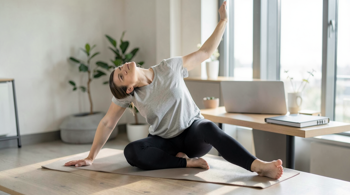
In response to time constraints, many professionals are adopting five-to-ten-minute micro-workouts. These brief, focused interventions are designed to fit into small gaps between meetings or tasks, eliminating the barrier of needing to change clothes or commute to a fitness facility 7. Studies suggest that taking five to ten minutes every few hours for physical realignment can potentially increase cognitive function by up to twenty percent by allowing the brain to transition from high-stress analytical modes to a more relaxed state 8. These sequences prioritize basic movements such as neck releases, spinal twists, and seated forward folds to counteract the physical compression of desk work 9.
Mindful Regulation of the Nervous System
Beyond physical stretching, mindful yoga serves as a technique for managing the neurobiology of stress. During moments of high pressure, the amygdala signals the body to release cortisol and adrenaline, shifting the nervous system into a sympathetic fight-or-flight state 10. Mindful movement acts as a counterbalance by stimulating the vagus nerve, which helps shift the body into a parasympathetic, or restorative, state 11. By observing tension rather than merely performing poses, professionals can learn to regulate emotional responses to workplace triggers, such as demanding emails or high-stakes negotiations, effectively creating a mental pause between stimulus and reaction 12.
Essential Guidelines for Workplace Practice
Effective integration of yoga into a professional schedule requires a focus on consistency rather than intensity. Workplace ergonomics remain a foundational component, and yoga should be viewed as a complementary habit rather than a replacement for necessary adjustments to desk and chair positioning 13. When initiating a practice, beginners are encouraged to start with gentle movements and avoid any positions that cause pain or discomfort 14. It is important to note that while yoga can assist in managing non-specific low-back pain, it is not a substitute for medical evaluation when dealing with persistent or severe injuries 15.
Balancing Fitness and Corporate Responsibilities
The broader context of health management for professionals involves meeting general physical activity guidelines, which include 150 to 300 minutes of moderate-intensity aerobic activity each week alongside muscle-strengthening sessions 16. Yoga contributes to flexibility, balance, and stress relief, but it functions most effectively when part of a holistic lifestyle that includes sufficient sleep, proper nutrition, and recovery 17. Professionals should tailor their routines to their individual fitness levels and remain cognizant of the limitations of short-duration sessions in meeting total weekly activity requirements 18.
Risk Mitigation and Professional Oversight
Not every yoga pose is appropriate for every individual. Those who are pregnant, recovering from surgery, or managing specific medical conditions must exercise caution and seek professional guidance from a healthcare provider or qualified instructor before beginning any routine 19. The goal of any workplace yoga intervention is sustainable, long-term health rather than immediate, aggressive physical change. By focusing on alignment, breathing, and periodic movement breaks, busy professionals can create a more resilient foundation for their careers without sacrificing their physical well-being or productivity 20.
Sources
- National Center for Complementary and Integrative Health, 'Yoga: What You Need to Know'
- Yogalates with Rashmi, 'Yoga for Working Professionals: 20-Min Desk Job Routine'
- Yogalates with Rashmi, '5-Minute Yogalates Micro-Workouts for Busy Professionals'
- Yogalates with Rashmi, 'The Science of Why Desk Work Damages the Body'
- Yogalates with Rashmi, 'Weakened Glutes and Chronic Pain'
- Hilary Farrer Physiotherapy, 'The Science of Micro-Movements in the Workplace'
- Relax Cafe Hub, '5-Minute Yoga Routine for Busy Professionals'
- Hilary Farrer Physiotherapy, '8 Quick Yoga Routine for Busy Professionals'
- Relax Cafe Hub, 'The 5-Minute Yoga Routine Step-by-Step'
- Awaken Health, 'The Neurobiology of Professional Stress'
- Yogaathome, 'Productivity Yoga: The 2026 Professional Guide'
- Doctor AJ Adams, 'Mindful Yoga for High-Stress Corporate Professionals'
- Occupational Safety and Health Administration (OSHA), 'Computer Workstations Guidelines'
- National Health Service (NHS), 'A Guide to Yoga for Beginners'
- Cochrane, 'Yoga for Chronic Nonspecific Low-Back Pain'
- Centers for Disease Control and Prevention (CDC), 'Physical Activity Guidelines for Adults'
- Mayo Clinic, 'Yoga: Fight Stress and Find Serenity'
- Harvard Health Publishing, 'Yoga Benefits Beyond the Mat'
- Johns Hopkins Medicine, '9 Benefits of Yoga'
- Cleveland Clinic, 'Benefits of Yoga for Professionals'
Authored by 24Trendz team