Warning signs of an underactive thyroid: A clinical overview of symptoms and metabolic markers
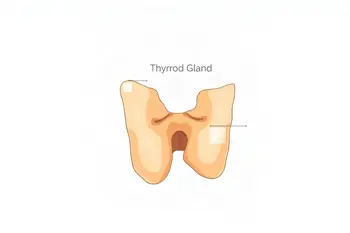
Understanding the warning signs of an underactive thyroid, or hypothyroidism, is essential for recognizing when the body's metabolic processes are slowing down due to insufficient thyroid hormone production 1. Because this butterfly-shaped gland located in the neck regulates energy use, body temperature, and systemic organ function, its dysfunction can manifest through a diverse range of subtle symptoms that often develop gradually over several years 2, 6. Many individuals initially attribute these early markers to aging, stress, or lifestyle factors, which may delay clinical assessment 1, 8.
Common Physiological Manifestations
The most frequently reported symptoms of an underactive thyroid involve a systemic reduction in metabolic rate. Persistent fatigue and constant tiredness, even following adequate sleep, are hallmark indicators of the condition 8, 9. Furthermore, individuals may experience unexplained weight gain, as the body becomes less efficient at burning calories 3, 9. Other common physical signs include an increased sensitivity to cold, which may persist regardless of environmental temperature, as well as chronic constipation, dry skin, and hair thinning 1, 2, 6.
Neurological and Cognitive Symptoms
Thyroid hormones are critical for brain function, and their deficiency often leads to noticeable cognitive shifts. Patients frequently report memory problems, difficulty concentrating, and a general sense of mental fog 1, 7. In addition to these cognitive changes, emotional health can be impacted, with many patients reporting feelings of depression or a low mood 2, 3. Because these symptoms overlap with other behavioral health issues, they are often overlooked in primary clinical assessments 8.
| System | Associated Symptoms |
|---|---|
| Metabolic | Weight gain, cold intolerance |
| Dermatological | Dry skin, brittle hair, hair thinning |
| Musculoskeletal | Muscle weakness, aches, joint pain |
| Neurological | Fatigue, memory loss, depression |
Musculoskeletal and Reproductive Impacts
Hypothyroidism frequently affects the musculoskeletal system, manifesting as muscle weakness, tenderness, or persistent stiffness 1, 3. Some individuals may also experience joint pain without a clear injury history 3. Reproductive health is also significantly linked to thyroid function; women may notice heavier-than-usual or irregular menstrual cycles, and untreated hypothyroidism has been associated with fertility challenges in both men and women 1, 3, 7.
Advanced Physical Signs and Systemic Risks
As the condition progresses, more distinct physical indicators may become apparent. These include facial puffiness, a hoarse voice, and even swelling around the neck, which may indicate the formation of a goiter 1, 4, 5. Cardiovascular markers, such as a slowed heart rate known as bradycardia, can also occur as the heart muscle responds to decreased metabolic activity 1, 3. If left untreated, the condition can lead to more severe systemic complications, including high cholesterol and potential heart-related issues 1, 6.
Diagnostic Processes and Clinical Oversight
Because symptoms of hypothyroidism are often non-specific, diagnosis relies on clinical laboratory testing rather than observation alone 2, 4. The primary diagnostic standard involves a blood test to measure the levels of thyroid-stimulating hormone (TSH) and free thyroxine (free T4) 6. These tests determine whether the gland is producing adequate hormones to regulate bodily functions 2, 5. In rare cases, severe, long-term, untreated hypothyroidism may progress to myxedema crisis, a medical emergency characterized by extreme confusion, hypothermia, and respiratory difficulties, which necessitates immediate intervention 4, 5.
Epidemiological Context and Maintenance
Hypothyroidism affects a broad demographic, though it is statistically more prevalent in women than in men 2, 7. While the condition cannot be prevented, it is often manageable with daily hormone replacement therapy, which restores hormone levels to a physiological baseline 2, 6. Consistent monitoring through periodic blood tests is necessary to ensure the dosage remains appropriate, as individual needs may evolve over time 1, 6. Patients are typically encouraged to discuss persistent symptoms with a healthcare professional to distinguish thyroid dysfunction from other systemic medical conditions 6.
Sources
- Mayo Clinic: Hypothyroidism Symptoms and Causes
- NHS Inform: Underactive Thyroid
- Penn Medicine: Hypothyroidism Symptoms and Causes
- Merck Manual Consumer Version: Hypothyroidism Overview
- Merck Manual Professional Version: Hypothyroidism and Myxedema
- Acibadem Hospitals Group: Hypothyroidism Symptoms and Testing
- Atlantic Health: Recognizing Underactive Thyroid Signs
- The Well by Northwell: Thyroid Dysfunction Awareness
- Hartford HealthCare: 6 Signs of an Underactive Thyroid
- UChicago Medicine AdventHealth: Thyroid Disease Warning Signs
Authored by 24Trendz team