Understanding Treatment Options for Type 2 Diabetes: An Evidence-Based Clinical Overview
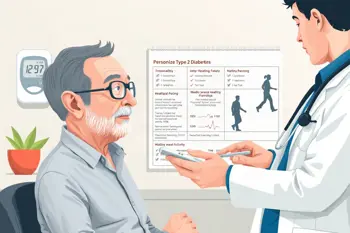
Understanding treatment options for type 2 diabetes involves comparing lifestyle measures, oral medicines, non-insulin injections, insulin, glucose monitoring, and metabolic surgery. Treatment is individualized according to blood glucose control, cardiovascular and kidney conditions, weight, side effects, treatment burden, access, and medication coverage. 1
Lifestyle treatment forms the foundation
Type 2 diabetes is associated with insulin resistance and inadequate insulin secretion relative to the body’s needs. Lifestyle treatment therefore remains central, including healthier food and beverage choices, regular physical activity, adequate sleep, stress management, smoking or tobacco cessation, and reduced alcohol intake. Medical nutrition therapy can help structure food choices, while no single diet has been established as universally superior for health outcomes. 4 5 7
Physical activity can improve glucose control and is used alongside medication rather than as a replacement for clinical monitoring. Weight management is also an important component of care, particularly because excess weight can worsen insulin resistance. Treatment plans may change as insulin production declines over time, meaning that lifestyle measures and periodic reassessment remain relevant even after medication begins. 2 4 7
Oral medicines address glucose through different mechanisms
Metformin is a widely used initial pharmacological option and belongs to the biguanide class. It decreases the amount of glucose produced and released by the liver. Other oral classes include sulfonylureas, meglitinides, thiazolidinediones, alpha-glucosidase inhibitors, dipeptidyl peptidase-4 inhibitors, bile acid sequestrants, and dopamine agonists. These medicines differ in effectiveness, adverse effects, dosing schedules, and risks of low blood glucose. 2 3
DPP-4 inhibitors increase incretin hormone activity, which supports insulin release when needed and reduces glucose production. SGLT2 inhibitors work through the kidneys by limiting glucose reabsorption, allowing more glucose to leave the body in urine. Selection depends on kidney function, cardiovascular disease, heart failure, treatment goals, interactions, adherence, and access. A medicine that works well for one person may be unsuitable for another. 3 5 6
Non-insulin injections can support glucose and weight goals
Non-insulin injectable medicines include glucagon-like peptide-1 receptor agonists and combined glucose-dependent insulinotropic polypeptide and GLP-1 receptor agonists. These therapies act on hormone pathways involved in glucose regulation and may assist with weight reduction. Some medication classes also provide cardiovascular or kidney benefits for selected patients, sometimes independently of their effect on glucose levels. 2 3
Potential disadvantages include injection requirements, gastrointestinal symptoms, treatment burden, and coverage or access barriers. Clinicians weigh these issues against a person’s glucose targets, weight-related health needs, cardiovascular disease, chronic kidney disease, and ability to follow the prescribed schedule. Medication decisions should not be based on weight loss alone because adverse effects, contraindications, and other medical conditions also influence suitability. 1 2 5
When insulin becomes part of treatment
Insulin replaces or supplements insulin that the pancreas no longer provides adequately. It may be introduced when oral medicines and non-insulin injections do not maintain individualized glucose targets, or when insulin production has fallen substantially. Insulin can be delivered with a needle and syringe, an insulin pen, or an insulin pump. Unlike type 1 diabetes, insulin is not automatically required at diagnosis for every person with type 2 diabetes. 1 4 6
Insulin treatment requires education about dosing, meals, activity, glucose monitoring, and low blood glucose symptoms. The number and timing of doses vary according to the regimen and the person’s needs. Treatment may also involve combining insulin with other medicines. Ongoing review is necessary because insulin requirements can change with illness, weight changes, kidney function, eating patterns, and other medicines. 1 4
Monitoring and treatment safety
Hemoglobin A1C and other glucose measurements help assess whether treatment is meeting an individualized target. Continuous glucose monitoring systems provide glucose information over time and can help people and clinicians evaluate patterns and make informed treatment adjustments. Monitoring needs differ according to the medicines used, the risk of low blood glucose, pregnancy status, insulin use, and other clinical circumstances. 7 8
Safety review should include side effects, medication interactions, kidney and liver considerations, injection technique, affordability, insurance coverage, and the practical burden of monitoring. Diabetes care also addresses complications and associated risks, including cardiovascular disease, chronic kidney disease, neuropathy, vision problems, and vascular disease. Statins, blood pressure medicines, and other risk-reduction therapies may be used when clinically indicated, but they do not replace glucose-lowering treatment. 1 4 6
Metabolic surgery and individualized selection
Metabolic or bariatric surgery is an option for selected people with type 2 diabetes, particularly those with obesity whose glucose control remains inadequate despite conventional treatment. Eligibility depends on clinical assessment, body mass index, surgical risk, related conditions, and the ability to participate in long-term follow-up. A commonly cited eligibility context is a body mass index above 35, although suitability is not determined by that measure alone. 8
Surgery is not a one-time substitute for diabetes care. It involves procedural risks, nutritional monitoring, possible medication changes, and continuing attention to eating patterns, physical activity, glucose measurements, and follow-up appointments. Across all treatment categories, the current approach has moved away from one standard regimen toward decisions based on glycemic goals, cardiovascular and kidney conditions, weight, side effects, adherence, treatment burden, and access. 2 5
Sources
- National Institute of Diabetes and Digestive and Kidney Diseases, “Insulin, Medicines, & Other Diabetes Treatments”
- NCBI Bookshelf Endotext, “Management of Type 2 Diabetes: Selecting Amongst Available Pharmacological Agents”
- Cleveland Clinic, “Diabetes Medications: What They Are & Common Types”
- Merck Manual Professional Edition, “Type 2 Diabetes Mellitus”
- American Association of Clinical Endocrinology, 2026 Type 2 Diabetes Algorithm Summary
- NCBI Bookshelf Endotext, “Oral and Injectable Non-Insulin Pharmacological Agents for the Treatment of Type 2 Diabetes”
- JAMA, “Diagnosis and Treatment of Type 2 Diabetes in Adults”
- Research sources summarized in the supplied diabetes treatment information
Authored by 24Trendz team