Warning signs of peripheral artery disease: Clinical indicators and physiological markers of vascular health
Peripheral artery disease (PAD) represents a significant health concern characterized by the narrowing of arteries outside the heart, typically due to the accumulation of fatty plaque known as atherosclerosis 2. While many individuals remain asymptomatic, identifying the early warning signs is vital for preventing long-term complications, which can range from chronic discomfort to limb loss 3, 5. Approximately 10 million Americans aged 40 and over are estimated to live with this condition, highlighting the importance of recognizing clinical manifestations in their early stages 3.
Recognizing Intermittent Claudication
The hallmark symptom of PAD is intermittent claudication, which presents as pain, cramping, or aching in the muscles of the legs, thighs, or buttocks during physical activity 1, 4. This discomfort typically manifests when walking, climbing stairs, or exercising, as the muscles require increased blood flow that narrowed arteries cannot provide 1, 5. A defining characteristic of this pain is its resolution during rest, usually occurring within a few minutes of stopping the activity 1, 3. If left unmonitored, this condition may progress from discomfort during exertion to persistent pain experienced even while resting 3.
Physical Manifestations and Skin Changes
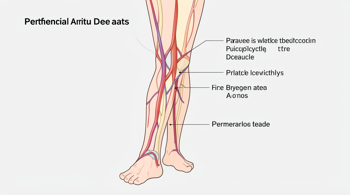
Beyond exercise-induced pain, PAD often causes observable changes in the skin and extremities due to severely reduced circulation 2. Skin color may appear pale or bluish, particularly when the leg is elevated, while the lower limb might feel consistently colder to the touch than the other leg 1, 2. Other physical markers include the development of sores or ulcers on the feet, toes, or legs that demonstrate poor or delayed healing 2, 5. These wounds indicate a critical reduction in oxygenated blood reaching the peripheral tissues 8.
Vascular Indicators in the Extremities
Reduced blood flow frequently impacts the health of hair and nails on the legs and feet 2. Individuals may observe a decrease in hair growth on the lower limbs or a noticeable slowing of toenail growth 2, 5. Furthermore, clinical assessments by healthcare providers often focus on the presence or strength of pulses in the feet and legs; weak or absent pulses serve as a significant diagnostic indicator during physical examinations 2, 5. These systemic signs are often overlooked by patients who may attribute them to the natural aging process rather than vascular disease 7, 9.
The Role of Chronic Diseases and Risk Factors
The development of PAD is heavily influenced by systemic risk factors, with smoking and diabetes recognized as the most dominant contributors 7. Tobacco use, in particular, is considered a more potent risk factor for PAD than for other forms of atherosclerosis, though the precise biological mechanism remains under investigation 7. Other significant risk factors include high blood pressure, elevated cholesterol levels, obesity, and a family history of cardiovascular disease 2, 4. Additionally, erectile dysfunction, particularly in men with diabetes, is a recognized warning sign of underlying vascular involvement associated with PAD 2, 5.
Diagnostic Considerations and Limb Risk
Healthcare professionals utilize various assessment tools to determine the severity of PAD, especially in advanced stages where blood flow is severely restricted, leading to chronic limb-threatening ischemia (CLTI) 1, 3. The WIfI classification system is one such framework used to evaluate wound severity, the extent of ischemia, and the presence of foot infection 1. Early diagnosis is prioritized because treatment strategies, including lifestyle modifications, pharmacological management, and sometimes invasive procedures, are most effective when implemented before the disease reaches a stage that threatens limb viability 5, 10.
Prevention and Long-Term Management
While PAD is a chronic and progressive condition, its progression can often be slowed through consistent lifestyle modifications 3, 10. Consistent physical activity, such as walking for 30 minutes, is highly encouraged to promote the development of collateral circulation, where the body creates new pathways for blood to bypass blocked arteries 10. Smoking cessation and the management of underlying conditions such as diabetes and hypertension are critical to reducing the risk of further cardiovascular events, including heart attack and stroke, which are closely linked to the systemic nature of atherosclerosis 2, 10.
Sources
- American Heart Association: What Are the Symptoms of PAD?
- MedlinePlus: Peripheral Arterial Disease
- Yale Medicine: Peripheral Artery Disease Fact Sheets
- Harvard Health: Peripheral Arterial Disease A to Z
- Penn Medicine: Peripheral Artery Disease (PAD)
- NCBI StatPearls: Peripheral Arterial Disease
- American Heart Association: Is your leg pain actually PAD?
- Johns Hopkins Medicine: Peripheral Vascular Disease
- Baystate Health: Peripheral Artery Disease Warning Signs, Risk Factors, and Treatment
- Harvard Health: Treating peripheral artery disease: When might you need a procedure?
Authored by 24Trendz team