Fatty Liver Warning Signs: A Clinical Guide to Symptoms, Progression, and Evaluation
Why fatty liver can be difficult to recognize
Fatty liver warning signs are often subtle because metabolic dysfunction-associated steatotic liver disease, or MASLD, commonly causes no symptoms in its early stages. The condition involves excess fat accumulating in the liver and is frequently associated with excess weight, obesity, type 2 diabetes, high blood pressure, or abnormal cholesterol levels. Many cases are identified during blood tests or imaging performed for another health concern rather than because of a specific liver complaint. 1
Early-stage disease does not inevitably become severe. NHS inform describes a progression that may begin with simple steatosis, followed in some people by inflammation, fibrosis, and cirrhosis. Persistent inflammation can create scar tissue, and cirrhosis represents permanent damage that may contribute to liver failure or liver cancer. The progression can take years, so the absence of symptoms does not establish that the liver is unaffected. 3
Early symptoms that may warrant medical assessment
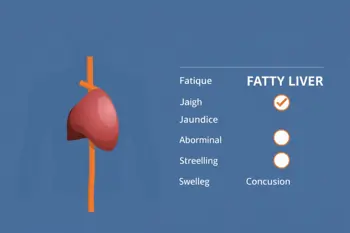
When MASLD produces symptoms, fatigue is among the most frequently reported complaints. Mayo Clinic also identifies malaise, meaning a general feeling of being unwell, and pain or discomfort in the upper right area of the abdomen. NIDDK notes that uncomplicated fatty liver can sometimes cause pain because the liver becomes enlarged. These symptoms are not specific to MASLD, but persistent or unexplained symptoms merit discussion with a qualified healthcare professional. 1 5
Upper-right abdominal discomfort may reflect liver enlargement or inflammation, although symptom intensity does not reliably measure disease severity. Some people with substantial liver damage have few noticeable complaints, while others experience fatigue or discomfort earlier. Because symptoms overlap with many digestive and general medical conditions, a diagnosis cannot be made from tiredness or abdominal pain alone. Medical history, physical examination, blood tests, and imaging are used together to investigate the cause. 5
Warning signs associated with advanced disease
More visible changes can appear when fatty liver disease progresses to advanced scarring or cirrhosis. Reported signs include jaundice, which is yellowing of the skin or whites of the eyes, swelling of the abdomen from fluid accumulation, and swelling of the legs. Changes in appetite, unexplained weight loss, and muscle loss may also occur in advanced disease. These findings indicate a need for prompt clinical assessment because they can reflect impaired liver function rather than simple fat accumulation. 1 4 5
Advanced liver impairment may also be associated with itchy skin, spider-like blood vessels called spider angiomas, and mental changes such as confusion or difficulty concentrating. Hepatic encephalopathy is a serious late-stage complication involving altered mental function. Such symptoms should not be treated as routine effects of tiredness or aging. The presence of jaundice, abdominal fluid, marked confusion, or rapidly worsening symptoms requires urgent medical attention and should not be evaluated through symptoms alone. 1 4 6
Metabolic factors that increase concern
MASLD is strongly linked with metabolic conditions rather than being defined only by body size or alcohol use. NIDDK lists overweight or obesity, insulin resistance or type 2 diabetes, high triglycerides, abnormal cholesterol, and metabolic syndrome as important associations. A diet high in sugar, sugary beverages, and low physical activity can contribute to the metabolic conditions connected with the disease. These factors can exist together, increasing the importance of a broader health assessment. 5
The condition is common across populations. Liver UK reports that about one in four adults in the United Kingdom have MASLD, while NHS inform estimates that up to one in three people in the UK have early-stage NAFLD, the former name often used for MASLD. The American Liver Foundation identifies obesity, prediabetes, type 2 diabetes, high blood pressure, high cholesterol, poor nutrition, and limited physical activity as relevant risk factors. 3 4 7
How clinicians investigate suspected fatty liver
Diagnosis generally begins with a medical history and physical examination. Clinicians review weight, height, metabolic conditions, diet, physical activity, alcohol intake, and other possible causes of liver disease. Examination may identify an enlarged liver, signs of insulin resistance such as darkened skin patches, or findings associated with cirrhosis, including an enlarged spleen, ascites, or muscle loss. These observations help determine which tests are appropriate. 5
Blood tests and imaging can help identify liver abnormalities and estimate the likelihood of significant scarring, but symptoms alone cannot establish the stage of disease. AAFP describes a two-step approach for advanced fibrosis assessment that begins with the Fibrosis-4 index and may be followed by vibration-controlled transient elastography or ultrasound-based methods when results are indeterminate or high risk. This approach separates ordinary fat accumulation from possible advanced fibrosis. 6 8
How to interpret symptoms responsibly
A single warning sign does not prove that fatty liver is present. Fatigue, nausea, abdominal discomfort, itching, appetite changes, or weight change can have numerous explanations, and some people with MASLD have no symptoms at all. Conversely, the appearance of jaundice, abdominal or leg swelling, confusion, or substantial muscle loss can suggest advanced disease and should not be dismissed because earlier symptoms were absent. 1 2 4
Clinical follow-up is particularly relevant for people with diabetes, obesity, abnormal triglycerides or cholesterol, high blood pressure, or metabolic syndrome. Earlier identification and management can help reduce the likelihood of worsening disease, while advanced fibrosis requires structured risk assessment. MASLD can be distinct from alcohol-associated liver disease, so an accurate history of alcohol intake and other causes remains part of the evaluation. The appropriate interpretation depends on examination, laboratory findings, imaging, and individual medical history. 2 5 6
Sources
- Mayo Clinic, Fatty liver disease (MASLD): Symptoms and causes
- Cleveland Clinic, Steatotic (Fatty) Liver Disease: Symptoms and Treatment
- NHS inform, Non-alcoholic fatty liver disease
- American Liver Foundation, MASLD and Liver Health for Veterans
- National Institute of Diabetes and Digestive and Kidney Diseases, Definition, Facts, and Diagnosis of NAFLD and NASH
- American Family Physician, Metabolic Dysfunction-Associated Steatotic Liver Disease: Diagnosis and Management
- Liver UK, What is MASLD?
- National Institute of Diabetes and Digestive and Kidney Diseases, Diagnosis of NAFLD and NASH
Authored by 24Trendz team