Natural ways to improve daily circulation: A comprehensive clinical overview of vascular health maintenance
Effective blood circulation is essential for the delivery of vital nutrients and oxygen to muscles, organs, and tissues throughout the human body 1. When vascular health is compromised, whether through aging, inflammation, or underlying metabolic conditions, the efficiency of this delivery system can decline, potentially leading to restricted blood flow 7. Researchers have identified several modifiable factors, including exercise patterns, nutritional intake, and sedentary habits, that directly influence the function of the endothelium-the inner lining of blood vessels-and the natural production of nitric oxide 4, 8.
The Physiological Role of Nitric Oxide
Nitric oxide is a signaling molecule produced by the endothelium that functions as a vasodilator, meaning it signals smooth muscles in arterial walls to relax and widen 9. This widening reduces resistance, allowing blood to move more freely through the vessels 8. The synthesis of nitric oxide relies on the body converting the amino acid L-arginine, a process that is often stimulated by the physical stress of blood rushing against vessel walls during movement 8. Maintaining high levels of vascular efficiency requires a consistent, multi-faceted approach to daily health 4.
When this signaling system is impaired, vessels can become stiff, contributing to higher blood pressure and reduced circulation 8. Factors such as high blood sugar, persistent inflammation, and tobacco use can damage the endothelial lining over time 5, 8. By focusing on natural pathways to support nitric oxide production, such as the consumption of nitrate-rich vegetables, individuals can provide the body with the raw materials necessary to maintain vascular flexibility 9.
Exercise as a Primary Vascular Stimulus
Physical movement serves as the most evidence-backed intervention for improving circulation 3, 6. Aerobic activities-such as walking, cycling, or swimming-induce shear stress on the vessel walls, which triggers the release of nitric oxide almost immediately 8. Beyond the immediate boost in flow, regular aerobic activity strengthens the heart and conditions the arteries, helping them function more efficiently over the long term 3, 8.
Research also emphasizes the impact of breaking up prolonged sitting, a state that can acutely impair flow-mediated dilation 8. Recent studies on sedentary breaks, often referred to as exercise snacks, indicate that short bouts of movement throughout the day can mitigate the negative vascular effects caused by extended periods of inactivity 8. For those experiencing symptoms like claudication-cramping or pain in the calves during activity-structured walking programs are often recommended as a primary clinical strategy to enhance distance tolerance and vascular health 1, 3.
Nutritional Approaches to Vascular Health
A diet rich in specific micronutrients can support the health of blood vessels by providing compounds that protect artery walls and promote vasodilation 7. Foods that are high in nitrates are particularly notable for their role in the nitrate-nitrite-nitric oxide pathway, which provides a secondary route for the body to produce essential signaling molecules 9. Including these nutrient-dense options in a balanced diet can assist in managing blood pressure and keeping arterial walls supple 7.
| Food Category | Primary Beneficial Compound | Potential Circulatory Benefit |
|---|---|---|
| Leafy Greens (e.g., Spinach) | Nitrates | Supports nitric oxide production |
| Beets | Nitrates | Assists in lowering systolic blood pressure |
| Fatty Fish (e.g., Salmon) | Omega-3 Fatty Acids | Supports heart health and lowers resting blood pressure |
| Berries | Anthocyanins | Protects arterial walls from oxidative damage |
| Cayenne Pepper | Capsaicin | Helps relax muscles in blood vessels |
Signs of Impaired Circulation
Recognizing the indicators of poor circulation is crucial for timely intervention. While cold hands and feet are commonly reported, other symptoms such as numbness, tingling, or swelling in the ankles and legs may also suggest that blood is pooling or failing to circulate effectively 3, 6. More persistent signs, such as slow-healing wounds on the lower extremities, fatigue, or brain fog, warrant professional medical investigation as they may be indicative of underlying vascular conditions like peripheral arterial disease 3, 5.
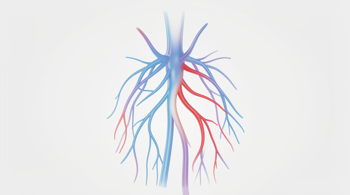
It is important for individuals to distinguish between minor temporary issues and chronic symptoms. While elevation of the legs may assist in reducing localized swelling, self-treatment is not a substitute for professional evaluation in cases where symptoms are persistent or severe 3, 6. Clinical evaluation is particularly recommended for those who experience recurring claudication, as it is a common early warning sign of arterial disease that requires proper diagnosis and management under medical supervision 1, 3.
Risk Factors and Clinical Red Flags
Certain lifestyle behaviors, most notably smoking, are known to severely damage blood vessels and increase the risk of cardiovascular disease 5. Smoking cessation is a critical step in preserving vascular integrity and supporting the circulatory system's ability to heal and function 5. Additionally, managing metabolic markers-such as cholesterol levels, blood glucose, and body weight-is foundational to long-term circulatory wellness 6. These factors collectively influence the environment in which blood vessels operate daily 4.
Urgent medical attention should be sought for sudden onset symptoms that could indicate a severe disruption of blood flow, such as sudden one-sided leg swelling, chest pain, shortness of breath, or pale and cold skin in one extremity 6. These instances require immediate clinical triage rather than home-based interventions. By focusing on sustainable, evidence-based habits such as regular activity, nutritious eating, and avoidance of tobacco, individuals can proactively support their vascular systems while maintaining awareness of when professional care is necessary 4, 6.
Integrating Long-Term Vascular Maintenance
Maintaining healthy circulation is an ongoing process that benefits from consistent, integrated habits. Strategies such as prioritizing sleep and managing stress levels are equally important, as systemic inflammation can influence vascular function over time 6. When lifestyle adjustments are made in tandem-combining physical movement with a heart-healthy diet-the body's ability to maintain efficient blood flow is significantly improved 7. Such an approach aligns with broader cardiovascular health guidelines that advocate for a holistic view of human biology.
Ultimately, while specific habits like walking after meals or increasing intake of nitrate-rich vegetables offer measurable benefits, they function best as part of a comprehensive health regimen. Engaging with healthcare providers to develop a personalized plan, especially for those with existing medical conditions or concerning symptoms, ensures that circulation-improving strategies are implemented safely and effectively 6. Consistent monitoring of bodily signals and proactive engagement with evidence-based lifestyle changes remain the most effective ways to support circulatory system health long-term 4.
Authored by 24Trendz team