Explore Japan on a 7-day trip including flight: A Comprehensive Guide to the Golden Route
Understanding the Golden Route Logistics
For first-time visitors, the most efficient way to navigate Japan within a seven-day window is through the established 'Golden Route,' which connects Tokyo, Kyoto, and Osaka 2. This itinerary is designed to balance urban exploration with cultural heritage while utilizing the country's high-speed rail network, the Shinkansen 4. Successfully completing this route requires strategic planning regarding arrival and departure airports; landing in Tokyo and departing from Osaka is widely considered the most time-efficient method, as it avoids the need to backtrack across the country 3.
Travelers often find that seven days is the absolute minimum duration required to experience these three cities without feeling rushed 3. Logistics play a major role in the success of such a short trip. For example, using luggage forwarding services, known as Takkyubin, can significantly reduce the physical burden of navigating train stations and stairs with heavy baggage 4. Because time is limited, travelers are encouraged to focus on core highlights rather than attempting to over-schedule their daily activities 2.
Transportation and Rail Considerations
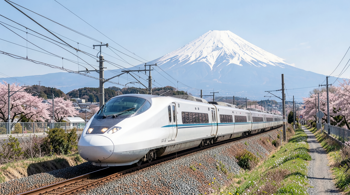
Navigating Japan's transport system is a fundamental aspect of any week-long trip. The Shinkansen serves as the primary artery for travel between major hubs, offering a fast and punctual connection 2. A common point of evaluation for visitors is whether to purchase a Japan Rail (JR) Pass. As of 2026, the cost of a seven-day pass often exceeds the cumulative price of individual point-to-point tickets for a standard Golden Route trip 3. Therefore, it is advisable to run a cost comparison before committing to a pass, especially when opting for an open-jaw flight strategy 3.
For local travel within cities like Tokyo, IC cards such as Suica, Pasmo, or ICOCA are essential tools 2. These reloadable cards provide seamless access to subways, buses, and even small retail purchases at convenience stores 10. Visitors should note that while public transit is highly efficient, having a mobile connectivity solution-such as an eSIM or a pocket Wi-Fi rental-is generally necessary for real-time navigation and access to transit maps 1.
Budgeting for a One-Week Journey
The total cost of a seven-day trip varies significantly based on accommodation choices and dining preferences. Mid-range travelers in 2026 typically allocate between ¥95,000 and ¥163,000 per person for on-the-ground expenses, excluding international flights 3. Accommodation acts as the primary variable in this budget, with business hotels offering a middle ground between luxury lodging and capsule hotel experiences 8.
Daily spending for a budget-conscious traveler can realistically land between $60 and $90 per day, covering modest accommodation, local transit, and meals at accessible venues such as ramen bars or convenience stores 8. When factoring in international airfare, market rates typically range from $900 to $1,600 depending on the season, departure city, and how far in advance the tickets are secured 1. It is important to note that seasonal peaks, such as cherry blossom season in spring and foliage season in autumn, often correlate with higher pricing and increased crowding at major attractions 1.
Structuring the Seven-Day Itinerary
A standard seven-day structure usually allocates three days to Tokyo, two days to Kyoto, and two days to Osaka 9. In Tokyo, visitors often prioritize landmarks such as the Meiji Shrine, the neon-lit nightlife of Shinjuku, and the historic atmosphere of Asakusa 2. The transition to Kyoto provides a shift toward traditional culture, with the city serving as a hub for temple visits and historic districts 1. Osaka, meanwhile, is frequently cited for its vibrant street food culture and more relaxed social atmosphere 1.
Travelers may also choose to incorporate a day trip from Tokyo to destinations like Hakone or the areas surrounding Mount Fuji to diversify their experience 2. Flexibility is encouraged, though visitors are advised to avoid over-complicating the schedule; cutting a city entirely is often better than attempting to cram too many locations into a single week 3. For those visiting with families, slowing the pace by roughly 30% is a recommended strategy to accommodate the needs of younger travelers 9.
Regulatory and Cultural Considerations
Entry requirements for Japan are straightforward for many international tourists. U.S. citizens, for instance, do not require a visa for tourism stays of up to 90 days 1. However, travelers should always check the latest government advisories before departure. Once in the country, adherence to local travel etiquette is expected, including quiet conduct on public transport and proper disposal of waste, as public bins can be scarce 9.
Regarding arrival logistics, choosing the correct airport in Tokyo can impact the ease of the initial transition. While Narita (NRT) and Haneda (HND) both serve international flights, Haneda is located significantly closer to the city center, which can save time and reduce local transit costs for new arrivals 1. Regardless of the port of entry, having a clear plan for the first night, including pre-booked accommodation and a basic understanding of local transit, is essential for a smooth start 2.
Risk Management and Planning Pitfalls
The most common planning error involves a misunderstanding of transportation costs. Many travelers assume a rail pass is automatically the most economical choice, which is frequently not the case for a simple seven-day route 3. Another potential friction point is the physical exhaustion caused by constant movement; since Japan requires a significant amount of walking, staying in centralized, easily accessible locations is advised 4.
Furthermore, travelers should be aware that city accommodation taxes and various entry fees may not be included in base travel packages and should be accounted for in the total travel budget 2. Because Japan's popularity has surged in recent years, booking attractions-especially popular venues like digital art museums-well in advance is increasingly important to ensure availability during the trip 9.
Sources
- U.S. Embassy & Consulates in Japan: https://jp.usembassy.gov/services/visa/tourism-visitor/
- JAPANODE 7-Day Guide: https://thejapanode.com/guides/7-day-japan-itinerary-first-timers
- Breeze Japan Itinerary: https://breezejapan.com/japan-golden-route-itinerary/
- Asia Odyssey Travel: https://www.asiaodyssey.com/japan/1-week-itinerary.html
- Google Flights Pricing Data: https://www.google.com/travel/flights
- Tokyo Metro Transit Guide: https://www.tokyometro.jp/en/index.html
- Kyoto City Official Travel Guide: https://kyoto.travel/en/info/transportation.html
- Travel With Save Budgeting: https://travelwithsave.com/7-days-in-japan-itinerary/
- Japan Wise Life Itinerary: https://japanwiselife.com/travel/japan-itinerary-7-days/
- JR East Suica Information: https://www.jreast.co.jp/e/pass/suica.html
Authored by 24Trendz team