Top natural tips for better circulation: A clinical perspective on vascular health and daily maintenance
When individuals experience cold hands, tired legs, or pins and needles, they may be observing signs of restricted blood flow throughout their body 1. The circulatory system, consisting of the heart, blood, and a vast network of vessels, is responsible for delivering essential oxygen and nutrients to tissues while removing waste products 3. Medical experts emphasize that while some circulation issues are common and manageable through daily habits, persistent symptoms often warrant a professional medical evaluation to rule out serious conditions such as peripheral artery disease 1.
The Mechanisms of Circulatory Wellness
Blood circulates through approximately 100,000 kilometers of vessels, including arteries, veins, and capillaries 6. Proper vascular function is critical for temperature regulation, as the body redirects warm blood to the extremities when needed 3. Over time, factors such as age-related stiffening of vessels, chronic stress, high sodium intake, and low physical activity can impede this process 3. Vascular specialists note that plaque buildup, also known as atherosclerosis, narrows arterial walls, making it difficult for oxygen-rich blood to reach distal parts of the body 5.
Understanding the difference between manageable discomfort and medical urgency is vital. Symptoms such as persistent claudication, which is cramping or pain in the calves during walking that resolves with rest, are common early indicators of peripheral arterial disease 4. Furthermore, sudden numbness, coldness in a single limb, or non-healing wounds are signals that require immediate assessment by a healthcare provider rather than self-management 6. A 360-degree approach to vascular health involves addressing these symptoms alongside lifestyle adjustments.
The Foundation of Physical Activity
Regular aerobic exercise is widely considered the most evidence-backed intervention for improving blood flow 6. Activities such as walking, cycling, and swimming strengthen the heart and condition the arteries, which enhances the body's ability to dilate and contract vessels properly 4. Medical guidelines generally suggest aiming for 150 minutes of moderate-intensity aerobic activity per week, supplemented by muscle-strengthening exercises on at least two days 11. Even short bouts of activity, such as post-meal walks, can provide measurable benefits for arterial and venous function 8.
For those in sedentary roles, breaking up long periods of sitting is essential to prevent blood from pooling in the lower extremities 3. Simple, consistent movements such as marching in place, ankle pumps, or standing up for a stretch every 45 to 60 minutes can activate the muscles that assist in pushing blood back to the heart 2. Resistance training also contributes to vascular health by reducing peripheral resistance and improving muscle pump function, which is particularly beneficial for those managing circulation concerns 10.
Nutritional Strategies for Vascular Support
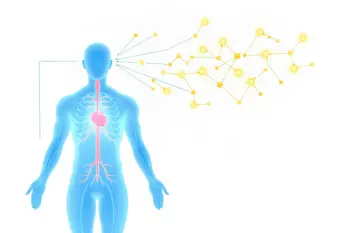
Dietary choices directly influence the health of blood vessel linings and overall systemic circulation. A heart-healthy eating pattern, such as the DASH diet, emphasizes fruits, vegetables, whole grains, beans, nuts, and fish while limiting sodium and saturated fats 9, 15. Research suggests that dietary nitrates found in leafy greens and beetroot can support the production of nitric oxide, a molecule that helps blood vessels relax and widen 6. Given that nitric oxide production naturally declines by approximately 50% by the age of 40, nutritional support becomes increasingly relevant for long-term vascular maintenance 6.
Hydration also plays a foundational role in maintaining optimal blood viscosity 10. While adequate water intake supports normal body function, medical sources note that fluid needs vary based on individual activity levels and overall health status 16. Reducing the consumption of processed foods and high-sodium items helps manage blood pressure levels, which protects against the long-term strain that hypertension places on the circulatory system 9.
Managing Risk Factors and Habitual Triggers
Addressing lifestyle factors that damage blood vessels is as important as initiating positive habits. Smoking remains a primary threat to circulatory health because it promotes plaque buildup and vessel stiffening 5, 14. Quitting tobacco use is considered one of the most effective steps an individual can take to reduce the risk of vascular disease 9. Furthermore, weight management is critical for reducing cardiovascular strain and lowering the risk of conditions like type 2 diabetes, which are known to impair circulation over time 15.
Chronic conditions such as high blood pressure and cholesterol must be managed in partnership with a healthcare provider, often involving medications like statins or prescribed care plans 9. For those experiencing venous insufficiency, mechanical support may be recommended. Compression stockings can help reduce swelling and assist in venous return, while elevating the legs during periods of rest can temporarily ease pressure in the veins 9, 17. Such interventions should always be discussed with a specialist to ensure they are appropriate for the specific clinical situation 9.
Evidence-Based Timelines for Improvement
While some benefits of activity are observable within hours, meaningful vascular improvement generally requires a sustained commitment of 6 to 12 weeks 6. This consistency allows the cardiovascular system to adapt to regular movement and improved nutritional intake. Because the circulatory system is highly responsive to daily habits, the cumulative effect of small, consistent changes often yields the most significant improvements in energy levels and tissue health 3. However, users should remain vigilant for symptoms that do not improve or worsen despite these efforts, as these require professional assessment 6.
Clinical Indicators of Circulation Emergencies
It is critical to distinguish between common, manageable circulation concerns and urgent medical events. Sudden changes in limb appearance or function are serious red flags 18. The following symptoms are categorized by medical experts as indicators of an acute circulation emergency that requires immediate intervention:
- Sudden, severe pain in a limb or extremity
- Acute coldness or numbness accompanied by color changes, such as pale or blue skin
- Development of non-healing skin sores or ulcers
- One-sided or persistent, unexplained swelling that does not resolve with rest
By monitoring for these specific warning signs, individuals can ensure they seek appropriate care during the early stages of a potential vascular event. Integrating these natural tips into a lifestyle guided by professional medical oversight provides a balanced and safe approach to maintaining vascular health throughout the lifespan.
Sources
- Cleveland Clinic: How to Improve Blood Circulation Naturally
- Banner Health: How to Improve Circulation: Simple Daily Habits That Work
- UPMC HealthBeat: 7 Daily Habits to Boost Circulation
- Prevention: Doctors Share 13 Ways to Improve Blood Circulation
- British Heart Foundation: Cold hands and feet? 5 tips to improve circulation
- Matter: How to Fix Poor Circulation: 9 Evidence-Based Ways to Improve Blood Flow
- Miami Herald: Poor circulation: signs, symptoms and natural fixes to try
- Kansas City Star: How to spot poor circulation and boost blood flow naturally
- Washington University in St. Louis: 5 ways to improve circulation
- AANMC: 10 Natural Ways to Improve Blood Circulation and Heart Health
- Centers for Disease Control and Prevention: Physical Activity Guidelines for Adults
- World Health Organization: Physical Activity Fact Sheet
- National Health Service: Live Well Exercise Advice
- American Heart Association: Quit Smoking Benefits
- National Heart, Lung, and Blood Institute: DASH Eating Plan
- National Institute of Diabetes and Digestive and Kidney Diseases: Weight Management and Cardiovascular Health
- MedlinePlus: Hydration and Body Function
- Johns Hopkins Medicine: Acute Limb Ischemia Symptoms
Authored by 24Trendz team