Effective ways to manage mild depression symptoms naturally: Evidence, limits, and safety considerations
What mild depression can involve
Mild depression is more than a passing period of sadness. Symptoms may include persistent low mood, reduced interest or pleasure, low energy, irritability, sleep or appetite changes, and difficulty concentrating that continue for two weeks or longer. Some people continue working or studying while feeling emotionally flat and physically slowed. Symptoms that persist or interfere with everyday functioning warrant discussion with a qualified healthcare professional, even when they appear manageable. 1
Natural strategies are best understood as supportive measures rather than guaranteed cures or replacements for clinical care. Depression can become more severe, and treatment may involve psychotherapy, medication, or both, depending on the person and the diagnosis. A clinician can also assess medical, substance-related, or psychological factors that may be contributing to low mood. 2
Exercise and manageable physical activity
Regular physical activity has some of the strongest and most consistent evidence among non-prescription approaches for depression. A 2023 meta-analysis reviewed 218 trials involving more than 14,000 participants and found that exercise was associated with meaningful reductions in depressive symptoms, although the quality and size of effects varied across studies. Exercise may influence mood through behavioral, psychological, and biological pathways. 3
Starting with a manageable activity can be more practical than setting an ambitious fitness target. Walking, gentle cycling, stretching, or another tolerable form of movement can be scheduled at a consistent time, then adjusted according to energy and physical ability. The NHS identifies physical activity and achievable goals as useful self-help measures, while clinical guidance emphasizes matching treatment intensity to symptom severity. 4
Sleep, daylight, and daily structure
Depression and sleep problems often reinforce one another. Keeping a broadly consistent sleep and waking schedule, maintaining ordinary daytime routines, and addressing persistent insomnia may support energy, concentration, and mood. These steps do not establish a specific treatment for depression, but they can reduce the disruption caused by irregular sleep and prolonged inactivity. Persistent sleep difficulties should be discussed with a healthcare professional. 5
Daylight exposure and routine outdoor activity may also be useful, particularly when low mood follows a seasonal pattern. Light therapy is among the approaches studied for seasonal presentations, but suitability depends on the individual and the symptoms involved. A regular plan should remain realistic: completing basic self-care, eating at usual times, and dividing tasks into smaller steps can be more achievable than attempting a major lifestyle overhaul. 6
CBT-based self-help and mindfulness
Structured self-help based on cognitive behavioral therapy can help some adults with less severe depression. CBT-oriented materials commonly address negative automatic thoughts, unhelpful thinking patterns, problem-solving, self-esteem, and the relationship between behavior and mood. Guided self-help, particularly when supported by a health professional, is recognized in NICE guidance as an initial option for some adults with less severe depression. 7
Mindfulness and meditation may produce modest improvements in depressive and anxiety symptoms for some people, but results vary by practice, person, and consistency. The aim is not to empty the mind or force positive thoughts. Instead, practices may help individuals notice thoughts and feelings without automatically reacting to them. Mindfulness should not replace evidence-based care when symptoms persist, worsen, or impair functioning. 8
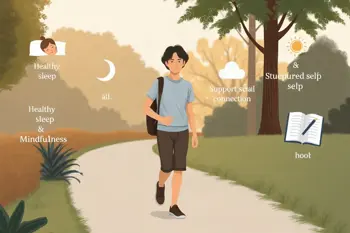
Social connection and substance reduction
Depression often encourages withdrawal, yet maintaining contact with supportive friends, relatives, peer groups, or community organizations can reduce isolation and provide practical assistance. Social connection does not require lengthy or highly social activities. A brief conversation, shared meal, scheduled check-in, or participation in a familiar group may create structure and accountability while preserving personal limits. Supportive relationships are associated with better mental health and improved coping with stress. 9
Alcohol and recreational drugs can worsen mood symptoms, disrupt sleep, and interfere with recovery. Reducing or avoiding them is therefore a relevant part of managing low mood, especially when use has become a coping method. Changes can be difficult when substance use is frequent or feels uncontrollable, and professional support may be appropriate. No natural strategy should be used to conceal a worsening pattern of depression or substance-related harm. 5
Supplements and herbal products
Evidence for supplements is more mixed than evidence for exercise, structured psychotherapy support, sleep care, or light therapy. Omega-3 fatty acids, vitamin D, saffron, magnesium, folate, and SAMe have been studied, but results differ and a supplement may be more relevant when a deficiency or specific clinical context exists. Nutritional products should not be assumed to be harmless simply because they are described as natural. 10
St. John’s wort has evidence suggesting possible benefit for some mild to moderate depression, but it has important safety limitations. It can interact with antidepressants and many other medicines, including some forms of birth control and blood thinners, and combining it with serotonergic medicines can contribute to serotonin syndrome. Anyone considering an herbal product should review it with a qualified clinician or pharmacist before use, particularly during pregnancy, when taking medication, or when symptoms may reflect bipolar disorder. 10
When self-management is not enough
Professional assessment is appropriate when depressive symptoms last two weeks or longer, recur, or make work, education, relationships, sleep, or self-care difficult. Screening can help identify possible depression, but screening alone is not a diagnosis. A healthcare professional can evaluate severity, discuss psychotherapy and medication when indicated, and create follow-up arrangements. Treatment decisions should reflect symptoms, medical history, preferences, and safety considerations rather than a general assumption that natural methods are sufficient. 2
Thoughts of suicide, a sense of immediate danger, psychosis, severe functional decline, or inability to maintain basic safety require urgent assistance rather than self-directed lifestyle changes. In the United States, people experiencing suicidal thoughts or immediate danger can call or text 988, the Suicide and Crisis Lifeline, or call 911 in an emergency. Elsewhere, local emergency services or crisis resources should be used. 11
Sources
- Simply Psychology, “Natural Remedies for Depression: What the Evidence Actually Says”
- National Institute of Mental Health, “Depression”
- British Journal of Sports Medicine meta-analysis summarized by Simply Psychology
- NHS, “Low mood and depression”
- Mayo Clinic, “Depression: Lifestyle and home remedies”
- Simply Psychology, “Natural Remedies for Depression: What the Evidence Actually Says”
- National Institute for Health and Care Excellence, guideline NG222
- National Center for Complementary and Integrative Health, “Meditation and Mindfulness: Effectiveness and Safety”
- Centers for Disease Control and Prevention, “Living with Mental Health”
- GoodRx, “Supplements and Natural Remedies for Depression”
- Substance Abuse and Mental Health Services Administration, “988 Suicide and Crisis Lifeline”
Authored by 24Trendz team