Effective ways to manage acid reflux naturally: Evidence, limits, and practical guidance
Correct sleep posture, mindful eating, and mini walks are among the natural ways discussed for managing acid reflux. Evidence also supports earlier dinners, head-of-bed elevation, diaphragmatic breathing, and weight reduction when appropriate, while popular remedies such as apple cider vinegar lack credible support and may aggravate symptoms.1
Understanding occasional reflux and GERD
Acid reflux occurs when stomach contents move upward into the esophagus, the passage connecting the mouth and stomach. Heartburn commonly feels like burning in the chest or throat, particularly after eating or lying down. Gastroesophageal reflux disease, or GERD, describes reflux that is frequent, troublesome, or associated with tissue damage. An occasional episode after a large meal does not automatically indicate GERD.2
Frequent reflux can interfere with eating, sleeping, exercise, and daily comfort. Reported symptoms may include heartburn, regurgitation, burping, chronic cough, hoarseness, or difficulty swallowing. Persistent exposure to stomach contents can contribute to inflammation, narrowing of the esophagus, or Barrett's esophagus, which requires clinical monitoring. Natural measures may reduce symptoms, but they do not replace assessment when reflux is recurrent or complicated.3
Meal timing, portion size, and food triggers
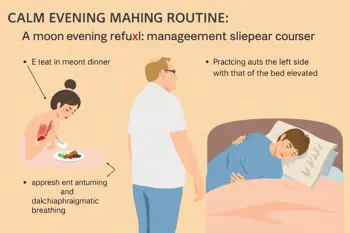
Smaller meals can reduce stomach distention and the upward pressure that encourages reflux. Finishing dinner about three hours before lying down is consistently identified as a useful measure because a full stomach and horizontal position can increase nighttime symptoms. A two-week food diary can record the meal, time, portion size, symptom onset, and severity, helping distinguish personal triggers from broad internet lists.4
Commonly reported triggers include caffeine, alcohol, chocolate, peppermint, spicy foods, citrus, tomatoes, and fried foods, but responses differ substantially among individuals. Broad elimination of every suspected trigger can unnecessarily restrict eating without guaranteeing improvement. A more measured approach is to identify patterns, reduce foods that repeatedly precede symptoms, and retain tolerated foods. Refined carbohydrates have also been mentioned in lifestyle guidance, although individualized observation remains important.5
Sleep position and physical activity
Nighttime reflux may improve when the head of the bed is elevated by approximately 6 to 8 inches with risers or a suitable wedge. Raising the entire upper body is generally more logical than using extra pillows that bend the neck or compress the abdomen. Sleeping on the left side may reduce nighttime reflux compared with the right side or back because of the stomach's anatomical position.6
Short walks after meals are included in some clinical lifestyle guidance, while remaining upright after eating helps avoid the combination of a full stomach and immediate horizontal positioning. Loose-fitting clothing may also reduce pressure around the abdomen. These steps are low-complexity measures, but their usefulness depends on symptom patterns, meal size, sleep habits, and any underlying condition such as a hiatal hernia.7
Weight, smoking, and abdominal pressure
When excess weight applies to an individual, gradual weight reduction is among the strongest lifestyle measures associated with improved reflux. Abdominal pressure can push stomach contents upward, and research summaries report reductions in symptoms and acid exposure after weight loss. The recommendation is conditional rather than universal: weight is not a reason to assign blame, and people without excess weight may still develop reflux through other mechanisms.8
Smoking is also associated with reflux because nicotine can weaken or inappropriately relax the lower esophageal sphincter, the muscular valve between the stomach and esophagus. Reducing or stopping smoking may therefore form part of symptom management. Alcohol can be a personal trigger as well. These changes require ongoing maintenance, and symptoms may persist when anatomy, medication effects, delayed stomach emptying, or another disorder contributes to reflux.9
Breathing, stress, and symptom perception
Diaphragmatic breathing is described in the supplied evidence as the most studied natural remedy for GERD. Daily practice over approximately four to eight weeks may reduce symptoms for some people and may lower reliance on reflux medication. The proposed physical rationale is that the diaphragm contributes to the barrier preventing stomach contents from moving upward. Breathing exercises should be considered supportive rather than a guaranteed cure.10
Stress does not establish the underlying presence of GERD, but it can intensify how reflux sensations are perceived. Stress-management practices may therefore help reduce the burden of symptoms even when they do not correct the mechanical cause of reflux. Mindful eating, slower meals, and deliberate breathing can be incorporated alongside meal timing and sleep-position changes, with results tracked rather than assumed.11
What to avoid and when to seek care
Apple cider vinegar has no credible evidence for treating GERD and may worsen symptoms because it is acidic. Claims that reflux is routinely caused by low stomach acid are not established by the supplied clinical evidence. Antacids and acid-blocking medicines can reduce burning, but stopping prescribed treatment abruptly may cause rebound symptoms for some people. Medication changes should be discussed with a qualified clinician rather than managed solely through online advice.12
Medical evaluation is warranted for persistent symptoms, difficulty swallowing, unexplained weight loss, vomiting, or black or bloody stools. Reflux occurring multiple times a week, disrupting sleep, or failing to improve with consistent lifestyle measures also deserves assessment. These warning signs can indicate inflammation, bleeding, narrowing, or another condition that natural strategies cannot safely evaluate. The central practical approach is individualized tracking, earlier meals, appropriate positioning, and realistic long-term maintenance.
Sources
- Mindset Health, “What natural remedies for GERD actually work?”
- Diet vs Disease, “Acid Reflux, GERD and Heartburn: What Actually Helps?”
- NuWell Health, “The Complete Guide to Managing Acid Reflux Naturally”
- AcidReflux.ai, “Acid Reflux Treatment”
- The Economic Times, “Correct sleep posture, mindful eating, mini walks”
- Cleveland Clinic, “GERD”
- Verywell Health, “Natural Remedies for GERD”
- Mayo Clinic, “GERD: Diagnosis and Treatment”
- WebMD, “What Is Acid Reflux Disease?”
- Mindset Health, clinical discussion of diaphragmatic breathing for GERD
- Penn Medicine, “GERD Tips”
- Mindset Health, evidence review of unsupported natural remedies
Authored by 24Trendz team