Top natural tips for better stamina: An evidence-based guide to daily endurance
Searching for the top natural tips for better stamina often reflects a familiar problem: becoming breathless after climbing stairs, tiring during a workout, or struggling to sustain physical effort. Stamina includes both cardiovascular capacity and muscular endurance, so improvement depends on training, nutrition, hydration, recovery, and health habits rather than a single remedy. 1
1. Build aerobic capacity gradually
Walking, jogging, cycling, and swimming are practical ways to train the heart, lungs, and muscles to use oxygen more efficiently. Public-health guidance recommends that adults work toward at least 150 minutes of moderate-intensity aerobic activity or 75 minutes of vigorous activity each week. Muscle-strengthening activity is also recommended on at least two days weekly. 1
Progression is more sustainable when intensity increases gradually instead of abruptly. A person new to running can alternate walking and running across several weeks, an approach used by the NHS Couch to 5K program. Regular activity can improve cardiorespiratory fitness, while excessive intensity without recovery may increase fatigue and make consistency harder. 2 10
2. Treat sleep as part of training
Sleep supports daytime alertness, concentration, mood, and the ability to perform ordinary activities. The American Academy of Sleep Medicine and Sleep Research Society recommend that adults obtain seven or more hours regularly. Short sleep can therefore affect stamina indirectly by reducing alertness and directly by making physical effort feel more difficult. 4 5
A consistent sleep and wake schedule is more useful than relying on occasional long nights after several days of insufficient rest. Late-night screen use, irregular routines, and untreated sleep problems can interfere with recovery. Persistent daytime exhaustion despite adequate time in bed should not automatically be attributed to poor fitness, because sleep deficiency and medical conditions can overlap. 4
3. Fuel endurance with balanced meals
Carbohydrate-rich whole foods provide an important energy source for activity, while protein supports muscle repair and healthy fats contribute concentrated energy. Useful food categories include whole grains, oats, brown rice, quinoa, beans, lentils, tofu, nuts, seeds, vegetables, fruits, fish, and lean proteins. The American Heart Association emphasizes an eating pattern centered on vegetables, fruits, whole grains, legumes, fish, and lean protein. 8
Iron deserves particular attention when tiredness and reduced exercise capacity persist. Iron is required to produce hemoglobin, and iron deficiency can cause weakness, tiredness, and low energy. Supplements should generally be used only with medical guidance, because fatigue has multiple possible causes and unnecessary supplementation may be inappropriate. A varied diet and clinical evaluation are safer than treating suspected deficiency without testing. 7
4. Match hydration to exercise conditions
Fluid intake supports cardiovascular and temperature regulation during exercise, but individual requirements vary. Heat, humidity, exercise duration, intensity, body size, and sweat rate all affect how much fluid a person may need. Water intake should therefore be adjusted to the setting and activity rather than treated as a fixed number that applies to everyone. 6
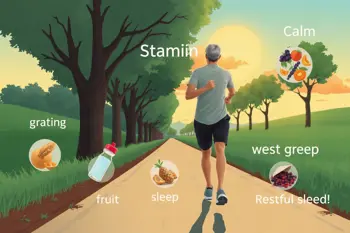
Hydration is especially relevant when exercise causes substantial sweating or takes place in hot conditions. Drinking patterns should support the activity without turning hydration into an excessive routine. A sudden fall in stamina during heat, unusual dizziness, or symptoms that do not resolve with rest and fluids require caution. Hydration can support performance, but it cannot correct anemia, heart disease, lung disease, or inadequate recovery. 6
5. Use breathing and stress control
Relaxed diaphragmatic breathing engages the diaphragm and may reduce stress and improve breathing efficiency. Practicing slow, comfortable breathing while resting can help a person recognize unnecessary upper-chest tension and excessive breathing effort. During exercise, breathing should remain coordinated with the activity and should not be forced to the point of dizziness or discomfort. 9
Stress management also matters because mental strain can make physical effort feel more demanding and can disrupt sleep and recovery. Meditation, prayer, relaxation practice, or several minutes of calm breathing can be incorporated into a daily routine. These techniques complement aerobic and strength training, but they are not substitutes for assessment when breathlessness is new, severe, or disproportionate to exertion. 9
6. Protect stamina by avoiding tobacco
Avoiding tobacco smoke protects the cardiovascular and respiratory systems that deliver and use oxygen during activity. The CDC states that smoking damages nearly every organ and harms cardiovascular health. Tobacco exposure can therefore work against endurance goals even when exercise and diet are otherwise consistent. 11
Stamina improvement also requires realistic maintenance. Consistent activity, sufficient sleep, balanced meals, appropriate fluid intake, and recovery must continue after initial progress. There is no evidence in the supplied research that a single food, herb, or short routine can replace these foundations. Sudden increases in training, excessive reliance on stimulants, and self-prescribed iron supplements can create avoidable risks or obscure the underlying cause of fatigue. 2 7
When low stamina needs medical attention
Persistent or unexplained fatigue, shortness of breath, chest pain, dizziness, or a sudden decline in stamina warrants evaluation by a healthcare professional. These symptoms should not be managed solely through more exercise or dietary changes. Possible contributors can include sleep deficiency, iron deficiency, and cardiovascular or respiratory problems, which require different forms of assessment and treatment. 4 7
For otherwise healthy adults, stamina generally develops through several weeks of consistent habits rather than a dramatic change in a few days. A practical framework is to begin with manageable aerobic sessions, add gradual progression, include strength work on separate or appropriate days, protect seven or more hours of sleep, and adjust food and fluids to activity. Tracking breathlessness, recovery, and exercise tolerance can help identify both improvement and warning signs. 1 3
Sources
- Centers for Disease Control and Prevention, Physical Activity Basics: Guidelines, https://www.cdc.gov/physical-activity-basics/guidelines/index.html
- World Health Organization, Physical Activity Fact Sheet, https://www.who.int/news-room/fact-sheets/detail/physical-activity
- U.S. Department of Health and Human Services, Physical Activity Guidelines for Americans, https://health.gov/sites/default/files/2019-09/Physical_Activity_Guidelines_2nd_edition.pdf
- National Heart, Lung, and Blood Institute, Sleep Deprivation, https://www.nhlbi.nih.gov/health/sleep-deprivation
- American Academy of Sleep Medicine and Sleep Research Society, Sleep Duration Recommendations, https://aasm.org/resources/pdf/sleepdurationrecommendations.pdf
- Mayo Clinic, Water: How Much Should You Drink Every Day?, https://www.mayoclinic.org/healthy-lifestyle/fitness/in-depth/water/art-20044256
- National Institutes of Health Office of Dietary Supplements, Iron Fact Sheet for Consumers, https://ods.od.nih.gov/factsheets/Iron-Consumer/
- American Heart Association, Nutrition Basics, https://www.heart.org/en/healthy-living/healthy-eating/eat-smart/nutrition-basics
- Cleveland Clinic, Diaphragmatic Breathing, https://health.clevelandclinic.org/diaphragmatic-breathing
- National Health Service, Couch to 5K, https://www.nhs.uk/live-well/exercise/get-running-with-couch-to-5k/
- Centers for Disease Control and Prevention, About Smoking and Tobacco Use, https://www.cdc.gov/tobacco/about/index.html
Authored by 24Trendz team