Green tea extract capsules for weight loss with enhanced bioavailability details: A Research-Based Analysis of Supplement Efficacy
Green tea extract (GTE) is frequently highlighted in nutritional research for its metabolic properties, primarily attributed to catechins such as epigallocatechin gallate (EGCG) 1. While brewed green tea provides these compounds, the oral bioavailability of catechins is naturally low, meaning only a limited fraction enters systemic circulation 1, 6. Consequently, manufacturers have developed various technologies to improve the delivery of these polyphenols, aiming to increase plasma levels and potential thermogenic activity 1, 2.
The Challenge of Catechin Bioavailability
Standard green tea extracts face significant obstacles to absorption, including poor lipid solubility and rapid degradation within the digestive tract 6. Furthermore, the intestinal lining contains efflux pumps known as P-glycoprotein (P-gp), which can actively move EGCG back into the gut, significantly limiting the amount absorbed into the bloodstream 3. This physiological barrier often necessitates high oral doses of conventional extract to achieve minimal plasma concentrations, increasing the risk of adverse effects 3, 5.
Advanced Delivery Systems: Phytosomes and Beyond
Phytosome technology has emerged as a primary method to address these absorption issues. By complexing green tea catechins with phospholipids, this delivery system improves stability and allows for enhanced uptake into systemic circulation compared to standard extracts 1. In some cases, this technology has been shown to increase plasma EGCG levels by up to 100% or more, depending on the formulation 1, 2. Unlike some liposomal methods that bypass the gut entirely, phytosome complexes may allow for a dual-action approach, where part of the extract remains active in the gut while the remainder is absorbed 1.
| Delivery Strategy | Mechanism of Action | Expected Benefit |
|---|---|---|
| Phytosomes | Complexing with phospholipids | Enhanced membrane permeability |
| P-gp Modulators | Inhibiting efflux pumps | Increased circulation time |
| Liposomal/Micro-emulsion | Encapsulation | Protection from gastric acid |
Metabolic Mechanisms and EGCG Concentration
EGCG supports metabolic health by activating adenosine monophosphate-activated protein kinase (AMPK) and inhibiting the enzyme catechol-O-methyltransferase (COMT) 6. This process is thought to increase fat oxidation by 10% to 17% during periods of moderate activity 6. Because these effects are dose-dependent, the ability of a capsule to deliver a consistent, bioavailable amount of EGCG is critical 9. Modern supplements are often standardized to contain between 300 mg and 500 mg of EGCG per serving to target these metabolic pathways effectively 6, 7.
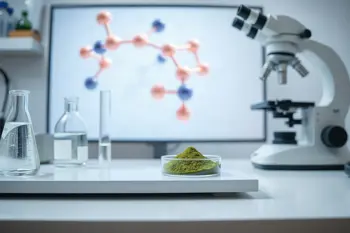
Clinical Context and Weight Management Results
Systematic reviews of clinical studies suggest that green tea supplementation can have a modest impact on weight and body mass index (BMI), especially when combined with consistent exercise 4. Data suggests that some individuals may experience a reduction of 3 to 5 pounds over a 12-week period when interventions are paired with a caloric deficit 7. However, experts emphasize that supplements are not a substitute for dietary management or resistance training; they function only as a minor variable in a broader lifestyle strategy 7.
Regulatory Oversight and Safety Considerations
The dietary supplement industry operates under a regulatory framework where the FDA does not evaluate products for safety or efficacy prior to their entry into the market 6. This necessitates caution, as research has identified instances of inaccurate labeling regarding EGCG content, with some products containing significantly lower levels than advertised 9. Third-party verification through organizations such as NSF International or USP is a recommended practice to ensure that products are free from contaminants and accurately represent their ingredient profiles 6, 8.
Risk Mitigation and Potential Adverse Effects
High doses of concentrated green tea extract, particularly when consumed on an empty stomach, have been linked to potential hepatotoxicity in rare cases 6. Consumers should be aware that excessive intake of catechins may interact with various medications, making consultation with a healthcare professional essential before beginning any new supplementation regimen 4, 6. Additionally, the presence of caffeine in many extracts can lead to side effects like nervousness or insomnia in sensitive individuals, suggesting that caffeine-free alternatives may be preferred for some users 3, 8.
Sources
- The Kate Living Supplements Ltd - Green Tea Phytosome Information
- Purity Products - Chris Kilham’s Green Tea CR Phytosome Data
- RevGenetics - EGCG 800 Absorption Research
- Springer Nature - Systematic Review of Green Tea Supplementation in Obesity (2025)
- Examine.com - Bioavailability Enhancers for Polyphenols
- National Library of Medicine - General Green Tea Research Data
- Aura Fit Guide - Analysis of GTE Weight Loss Efficacy (2026)
- NSF International - Supplement Quality Verification Standards
- ConsumerLab - Green Tea Product Testing and EGCG Analysis
Authored by 24Trendz team