Warning signs of Type 2 diabetes: A Comprehensive Clinical Overview
Type 2 diabetes is a chronic metabolic condition characterized by insulin resistance and inadequate insulin secretion, resulting in elevated blood glucose levels 158. Recognizing the early warning signs of this disease is critical, as symptoms often develop gradually and may remain subtle or unnoticed for extended periods 378. Understanding these indicators allows for proactive medical consultation and timely intervention, which can significantly reduce the risk of long-term health complications such as cardiovascular disease, nerve damage, and retinopathy 79.
Common Physiological Indicators of Hyperglycemia
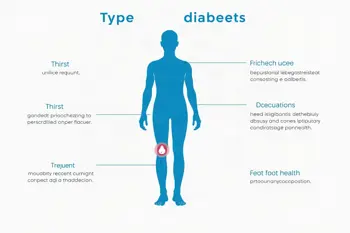
The primary symptoms associated with Type 2 diabetes are direct consequences of persistent hyperglycemia. Increased thirst, known clinically as polydipsia, and frequent urination, or polyuria, are standard responses as the body attempts to filter excess blood sugar through the kidneys 2511. This process can lead to significant fluid loss, contributing to chronic dehydration and associated symptoms such as dry, itchy skin 1020.
Fatigue is another pervasive indicator, occurring because the body's cells are starved of the glucose required for energy production 215. Similarly, individuals may experience polyphagia, or increased hunger, even after caloric intake, as the cells fail to receive necessary fuel from the bloodstream 2413. Blurred vision frequently emerges when high blood sugar levels cause fluid to leak into the lenses of the eyes, temporarily altering their shape and focus 214.
Dermal and Neurological Manifestations
Peripheral neuropathy, which manifests as pain, tingling, or numbness in the hands and feet, is a common complication arising from prolonged exposure to high blood glucose 3417. Furthermore, physical markers such as slow-healing sores, recurring skin infections, or yeast infections are indicative of impaired immune function and poor circulation caused by the disease 2816. These infections thrive in environments where excess glucose is present in bodily fluids 19.
A specific visual indicator of underlying insulin resistance is acanthosis nigricans, characterized by dark, velvety patches of skin, typically in body folds like the neck, armpits, or groin 5618. While not a direct symptom of high blood sugar, it serves as a critical clinical marker for the metabolic syndrome often preceding a formal diabetes diagnosis 518.
Risk Factors and Demographic Predispositions
While Type 2 diabetes can develop at any age, risk increases significantly for individuals age 45 or older 1. Genetic factors and family history are substantial contributors to individual susceptibility 14. Lifestyle-related variables, including physical inactivity and weight status, remain primary drivers in the progression of insulin resistance 14. Additionally, those with a history of gestational diabetes are at an elevated risk of developing Type 2 diabetes later in life 13.
Demographic data suggests the prevalence of the disease varies among specific populations, appearing more frequently in African American, Hispanic/Latino, American Indian, Asian American, and Pacific Islander communities 14. Clinical oversight of these risk factors is essential for early diagnosis, as individuals in these groups may benefit from more frequent screening protocols, especially if they also present with hypertension or elevated cholesterol levels 14.
The Importance of Clinical Diagnosis
Diagnosis is established through blood tests that measure glucose concentration. Common diagnostic tools include fasting plasma glucose tests, hemoglobin A1c (HbA1c) tests, and oral glucose tolerance tests 8910. These tests determine whether blood sugar levels are within normal ranges, categorized as prediabetes, or indicative of diabetes 3. Routine screening is vital for identifying the approximately 11 million adults who may have the condition without experiencing noticeable symptoms 7.
Professional medical evaluation is necessary for anyone exhibiting symptoms, as primary health care providers can rule out other conditions and tailor a management plan if required 2. Relying on symptomatic awareness alone is often insufficient, given the silent, gradual onset of the disease in many patients 37.
Management Realities and Long-Term Care
Management of Type 2 diabetes requires a comprehensive approach, often involving dietary modifications, regular physical activity, and weight management 589. Patients are often advised to reduce the intake of refined carbohydrates, saturated fats, and processed foods to stabilize glucose levels 5. Depending on individual clinical status, medical professionals may also prescribe oral antihyperglycemic medications or insulin therapy to achieve glycemic control 69.
Long-term care extends beyond blood sugar monitoring to include periodic checks of blood pressure, kidney function, foot health, dental health, and vision 910. Regular follow-ups allow for the adjustment of treatment protocols as the condition evolves, ensuring that patients maintain target glucose ranges to prevent the damage to blood vessels and nerves that often accompanies unmanaged diabetes 59.
Psychological and Social Impacts
The diagnosis of a chronic illness can carry significant psychological implications. Research suggests that fluctuating blood sugar levels can influence mood and may lead to increased irritability 18. Furthermore, the demand for sustained, daily self-management-including glucose monitoring and lifestyle adherence-can impact emotional well-being 9. A multidisciplinary approach, often including support from a qualified healthcare team, is recommended to address both the physical and emotional aspects of living with the condition 910.
Sources
- National Institute of Diabetes and Digestive and Kidney Diseases (NIDDK)
- Mayo Clinic
- Centers for Disease Control and Prevention (CDC)
- Cleveland Clinic
- American Diabetes Association
- WebMD
- Johns Hopkins Medicine
- Healthline
- Medical News Today
- Everyday Health
- UT MD Anderson Cancer Center
- Acibadem Hospitals Group
- Merck Manual Consumer Version
- Merck Manual Professional Version
- National Institutes of Health (NIH)
- FamilyDoctor.org
- Baldwin Publishing, Inc.
- NIDDK Health Information
- Centers for Disease Control and Prevention - Diabetes Basics
- Cleveland Clinic Health Library
Authored by 24Trendz team