Recognizing the subtle signs of thyroid issues: A clinical overview of endocrine function
Understanding the Thyroid Gland and Its Role
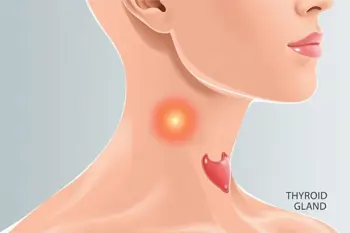
The thyroid gland is a small, butterfly-shaped organ situated at the base of the neck, just below the Adam's apple 1. Despite its modest size, this gland serves as a critical regulator for many fundamental bodily functions, including metabolism, growth, and development 1. By producing essential hormones, the thyroid effectively acts as a battery for the body, providing the energy necessary for everything from cognitive function and mood regulation to heart rate and digestion 2. When the gland functions optimally, these systems remain in rhythm; however, even minor fluctuations in hormone levels can disrupt this delicate balance 2.
Thyroid disease is an umbrella term for conditions in which the gland produces an abnormal amount of hormones 1. Because the thyroid influences nearly every organ system, the symptoms of dysfunction are frequently broad, nonspecific, and easily mistaken for lifestyle factors like stress, aging, or exhaustion 2, 6. It is estimated that more than 12% of the U.S. population will develop a thyroid condition during their lifetime, with women being five to eight times more likely to experience these issues than men 1, 4.
Distinguishing Between Hypothyroidism and Hyperthyroidism
Thyroid diseases are generally categorized into two primary forms: hypothyroidism and hyperthyroidism 1, 4. Hypothyroidism occurs when the thyroid fails to produce enough hormones, effectively slowing down the body’s metabolic rate 1. Conversely, hyperthyroidism is characterized by an overactive gland that secretes an excess of hormones into the bloodstream, shifting the metabolism into overdrive 1. Both conditions frequently stem from autoimmune processes, such as Hashimoto thyroiditis in the case of hypothyroidism or Graves' disease in the case of hyperthyroidism 8.
The symptomatic profiles of these two conditions are largely opposites. While someone with hypothyroidism may experience a dip in energy, cold intolerance, weight gain, and constipation, someone with an overactive thyroid might encounter the reverse: weight loss, heat intolerance, irregular heartbeats, and frequent bowel movements 1, 8. Given that up to 60% of individuals with thyroid disease are unaware of their condition, recognizing the patterns of these symptoms is an important step in determining whether a clinical evaluation is necessary 1, 6.
Common Indicators of Hypothyroidism
Hypothyroidism often develops gradually, leading to symptoms that can be subtle and easily overlooked 5, 9. Fatigue is the most frequently reported symptom, with approximately 83% of patients noting it as a prominent indicator 7. Beyond persistent tiredness, other common signs include difficulty concentrating, often described as brain fog, as well as memory loss, which may be more pronounced in older adults 7. Physical manifestations such as dry skin, brittle nails, and hair loss are also widely documented in those with an underactive thyroid 1, 7.
Metabolic shifts associated with low hormone levels can also lead to more specific clinical findings. For example, some individuals may experience unexplained weight gain or difficulty losing weight despite standard diet and exercise efforts 1, 3. Digestion is similarly affected, as a lack of hormones slows the muscular contractions of the digestive tract, frequently resulting in constipation 7. Additionally, the condition is linked to psychological shifts, including symptoms of depression, as low hormone levels can impact the brain's supply of mood-regulating neurotransmitters like serotonin 7.
Unexpected Signs and Clinical Observations
Beyond standard symptoms, clinicians often monitor for specific physiological markers that may point toward thyroid dysfunction. For instance, an underactive thyroid may cause a buildup of fluid and sluggish cholesterol clearance, which can sometimes trigger bilateral carpal tunnel syndrome 10. Other clinical observations include the loss of the outer edges of the eyebrows, hoarseness, and delayed ankle reflexes, sometimes referred to as Woltman’s sign 10. These subtle signs are often missed because they do not present as traditional systemic fatigue or weight fluctuations 10.
In cases of an enlarged thyroid, known as a goiter, patients may notice a visible lump or swelling at the base of the neck 6. While many thyroid nodules are benign, any persistent swelling or structural change requires evaluation to rule out malignancy or significant obstruction 6. Furthermore, thyroid disease can significantly impact reproductive health, leading to changes in menstrual patterns, fertility, and sexual function 2, 9. These issues are often persistent and do not improve with routine lifestyle adjustments, highlighting the need for professional diagnostic testing 9.
The Diagnostic Approach: Moving Beyond Symptoms
Medical experts emphasize that symptoms alone are insufficient for a diagnosis of thyroid disease, as the signs are often nonspecific and overlap with other conditions such as anemia, menopause, or psychiatric disorders 3, 9. The current gold standard for initial screening is a blood test measuring thyroid-stimulating hormone (TSH) levels 3, 6. An elevated TSH level is generally indicative of an underactive thyroid, while a suppressed TSH level often suggests an overactive thyroid 3.
Once an abnormal TSH level is identified, healthcare providers may order additional blood tests, such as free thyroxine (T4) or antibody tests, to determine the underlying cause and severity of the dysfunction 3, 9. Diagnostic protocols also include a review of medical history and a physical examination of the neck area 3. Because early signs of thyroid issues can be so easily attributed to daily stress or aging, the most effective approach for those concerned about their health is to document the persistence of symptoms and discuss these patterns with a clinician 9.
Special Considerations and When to Seek Urgent Care
Older adults may present with less typical symptoms, making recognition even more complex in this demographic 5. For instance, hyperthyroidism in older patients may manifest primarily as unexplained weight loss, muscle weakness, or heart rhythm disturbances rather than the more common nervousness or anxiety seen in younger populations 5. Furthermore, because the prevalence of thyroid dysfunction increases with age, clinical vigilance is often heightened for patients who report a sudden decline in physical or mental stamina 4, 5.
While many thyroid disorders can be managed through medication or other treatments once diagnosed, certain symptoms require immediate medical attention 3. New or worsening palpitations, chest pain, fainting, or severe shortness of breath should never be dismissed as routine symptoms of a hormonal imbalance 5. These red flags necessitate an urgent clinical assessment to rule out cardiac complications or other acute medical emergencies that require rapid intervention 5.
Sources
- Ochsner Health: What Are the Early Warning Signs of Thyroid Problems?
- The Well by Northwell: How to Know If You Have a Thyroid Problem
- Prevention: Doctors Explain Signs You May Have a Thyroid Problem
- Prevention: 17 Signs of Thyroid Disease Doctors Want You to Know
- Merck Manual: Hypothyroidism
- Artesia General Hospital: Thyroid Problems: 10 Warning Signs & What to Do
- UnityPoint Health: 11 Early Warning Signs of Thyroid Problems in Women
- Allara Health: Signs of thyroid issues: Hypothyroidism vs. hyperthyroidism
- ICN: Early Thyroid Clues You Shouldn’t Ignore
- Health Spectra: Unexpected Signs of Thyroid Problems Most People Miss
Authored by 24Trendz team