High Blood Pressure Symptoms: Clinical Signs, Measurement, and Emergency Guidance
High blood pressure symptoms are often difficult to recognize because hypertension usually produces no noticeable warning signs. A person may feel healthy even while elevated pressure gradually damages blood vessels and vital organs, making regular blood pressure measurement more informative than symptoms alone. When readings become extremely high, however, symptoms such as chest pain, breathing difficulty, vision changes, weakness, or trouble speaking can indicate a medical emergency rather than routine hypertension. 1
Why hypertension is called a silent condition
Hypertension means that blood is consistently pushing too forcefully against artery walls. Cleveland Clinic reports that many people do not know they have the condition because it generally has no symptoms, even though untreated hypertension can contribute to heart attack, stroke, dementia, kidney disease, and other complications. The American Heart Association similarly states that nearly half of U.S. adults have high blood pressure and that many are unaware of it. 1 4
The World Health Organization estimated that 1.4 billion adults aged 30 to 79 worldwide had hypertension in 2024, representing 33% of that age group. About 600 million affected adults, or 44%, were unaware of their condition, while approximately 320 million, or 23%, had it under control. These figures help explain why the absence of symptoms cannot be treated as evidence of normal blood pressure. 2
Possible symptoms when blood pressure is very high
Most people with hypertension have no symptoms, but a sudden spike or severe elevation may be associated with severe headache, dizziness, blurred or double vision, shortness of breath, nosebleeds, confusion, or a pounding sensation in the chest, neck, or ears. These symptoms are not specific to hypertension and can have other causes, so they cannot establish a diagnosis without a blood pressure reading and clinical assessment. 5 8
Vision changes may occur when prolonged or severe hypertension affects delicate blood vessels in the retina. Fatigue, cognitive changes, or blood in the urine may signal organ complications rather than an early symptom of uncomplicated hypertension. Chest pain, breathing difficulty, or an irregular heartbeat may also reflect cardiovascular complications. Such signs require medical evaluation because symptom severity does not reliably indicate the actual blood pressure level. 6 7
How blood pressure readings are classified
Blood pressure is written as two numbers. The systolic number measures pressure when the heart contracts, while the diastolic number measures pressure while the heart rests between beats. U.S. clinical categories identify stage 1 hypertension at 130 to 139 systolic or 80 to 89 diastolic, and stage 2 hypertension at 140 or higher systolic or 90 or higher diastolic. 3 4
| Category | Systolic | Diastolic |
|---|---|---|
| Normal | Less than 120 | Less than 80 |
| Elevated | 120 to 129 | Less than 80 |
| Stage 1 hypertension | 130 to 139 | 80 to 89 |
| Stage 2 hypertension | 140 or higher | 90 or higher |
| Severe elevation | Higher than 180 | And/or higher than 120 |
A diagnosis is not normally based on one isolated reading. MedlinePlus states that healthcare providers generally take two or more readings at separate appointments, while WHO describes diagnosis using readings at or above 140/90 on two different days. Thresholds and clinical procedures can vary by guideline, location, age, pregnancy status, and medical history. 2 3
When high readings may signal an emergency
The American Heart Association classifies a reading higher than 180 systolic and/or 120 diastolic as severe hypertension. If that reading occurs without concerning symptoms, the organization advises contacting a healthcare professional. If it occurs with chest pain, shortness of breath, back pain, numbness, weakness, vision changes, or difficulty speaking, it is categorized as a hypertensive emergency and requires emergency services. 4
Clinical references describe hypertensive emergencies as severe elevations accompanied by acute injury to organs such as the brain, heart, kidneys, or other vital systems. Possible manifestations include headache, visual disturbance, altered mental status, chest pain, heart failure, reduced urine output, or blood in the urine. Evaluation may include laboratory testing, electrocardiography, and imaging to determine whether organ damage is present. 7
Risk factors and long-term consequences
Risk factors identified by WHO include older age, genetics, excess body weight, physical inactivity, a high-salt diet, and excessive alcohol consumption. Cleveland Clinic also identifies aging, smoking, limited physical activity, and certain underlying medical conditions as contributors. These factors can increase the likelihood of sustained high pressure, but hypertension can occur without an obvious symptom pattern or a single identifiable cause. 1 2
Persistently uncontrolled pressure can damage arteries and place additional workload on the heart. Documented complications include heart attack, stroke, heart failure, chronic kidney disease, vision loss, cognitive decline, dementia, and aneurysm. The risk generally increases as high blood pressure remains uncontrolled over time. This long-term damage is one reason symptom-based monitoring is inadequate, even for people who feel well. 1 6 8
How hypertension is detected and managed
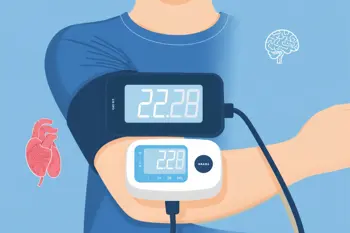
Regular screening is the central method for detecting hypertension because symptoms are absent in most cases. Measurement may be performed with a blood pressure cuff and an electronic sensor, gauge, or stethoscope. Repeated readings help distinguish sustained hypertension from a temporary elevation related to stress, physical activity, illness, or other circumstances. A healthcare professional interprets the results alongside medical history and risk factors. 3 6
Management can involve healthier eating patterns, reduced tobacco exposure, increased physical activity, moderation of alcohol intake, and medication when clinically indicated. WHO states that lifestyle changes can help lower blood pressure, although some people still require medicines. Treatment is an ongoing process involving monitoring, assessment of control, and attention to conditions that may contribute to elevated readings. 2 8
Sources
- Cleveland Clinic, High Blood Pressure (Hypertension): Symptoms & Causes
- World Health Organization, Hypertension
- MedlinePlus, High Blood Pressure
- American Heart Association, What is High Blood Pressure?
- National Council on Aging, 9 Surprisingly Subtle Symptoms of High Blood Pressure
- Abbott, What are high blood pressure symptoms in women?
- NCBI Bookshelf, Hypertensive Crisis
- Purdue University Center for Healthy Living, High Blood Pressure
Authored by 24Trendz team