How to use heat therapy for back pain safely: A clinical guide to managing muscle tension and stiffness
When managing back pain, selecting the correct self-care modality is essential for achieving comfort and supporting recovery. Heat therapy remains one of the most widely utilized home-based interventions for addressing discomfort associated with muscle tension, chronic stiffness, and minor strain 1. By understanding the physiological mechanisms behind how warmth interacts with musculoskeletal tissues, individuals can apply these techniques with greater precision and safety 2. This article examines the clinical rationale for heat application, standard safety protocols, and the specific circumstances under which heat is most effective.
The Physiological Impact of Heat on Musculoskeletal Tissue
Heat therapy functions primarily by inducing vasodilation, a process where local blood vessels expand to increase circulation to the targeted area 3. This surge in blood flow delivers oxygen and essential nutrients to injured or tight tissues while simultaneously facilitating the removal of metabolic waste products, such as lactic acid, which may contribute to soreness 6. As the temperature of the muscle fibers rises, the tissues become more pliable, effectively reducing the guarding response that often characterizes chronic lower back pain 2. This state of increased flexibility can make daily movement feel significantly less restrictive 1.
Beyond physical changes, heat therapy is thought to influence the perception of pain through mechanisms such as the gate control theory 6. By stimulating temperature-sensitive nerve endings, the brain receives sensory input that may temporarily modulate or override pain signals originating from the spine or surrounding musculature 5. This analgesic effect can be particularly beneficial for patients dealing with persistent, dull, or nagging aches that do not involve acute inflammation or swelling 4.
Differentiating Between Acute Injury and Chronic Stiffness
A critical component of safe heat therapy is knowing when to refrain from its use. Clinical consensus distinguishes between recent, traumatic injuries and long-term discomfort 4. For an injury that occurred within the last 24 to 48 hours-often characterized by sharp pain, redness, or visible swelling-cold therapy is generally the preferred clinical approach to limit the inflammatory response 1. Applying heat to a fresh injury can exacerbate existing swelling and potentially worsen the condition by increasing blood flow to an already inflamed site 4.
Conversely, heat is most appropriate for conditions that have passed the initial inflammatory phase or are systemic in nature, such as chronic lower back pain, arthritis-related discomfort, or general stiffness after prolonged inactivity 2. If a patient is uncertain about the stage of their injury, professional guidance is recommended to ensure that heat application does not counteract the body's natural healing process 4. As a general rule, if the back feels stiff, tight, or displays a dull, chronic ache, heat therapy serves as an effective, non-pharmacological tool for symptom management 2.
Standard Protocols for Safe Heat Application
To maximize the benefits of heat while mitigating the risk of thermal injury, adherence to specific timing and temperature guidelines is required. Experts generally recommend limiting individual sessions to 15 to 20 minutes 2. Exceeding this duration can lead to skin irritation or even surface-level thermal burns 5. Furthermore, the intensity of the heat source must be controlled; it should be warm to the touch rather than hot, with a target temperature typically around 110 degrees Fahrenheit 8.
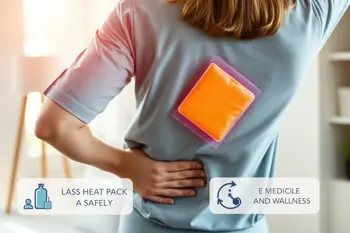
Safety protocols also dictate the physical interface between the heat source and the body. Users should never apply a heating pad or heat pack directly against bare skin 2. Instead, a protective barrier, such as a thin towel or cloth, must be placed between the device and the skin to prevent accidental burning 5. Additionally, the use of electric heating pads requires vigilance, as they should never be used during sleep; the risk of prolonged, unattended exposure can lead to severe thermal injury 5.
Contraindications and High-Risk Populations
While heat therapy is a common self-care practice, it is not suitable for every individual. Certain medical conditions necessitate avoidance or extreme caution to prevent complications 5. Individuals with compromised sensation, such as those diagnosed with diabetes or peripheral vascular disease, are at an elevated risk of sustaining burns because they may not be able to detect when their skin is overheating 5. Similarly, patients with open wounds, infections, or conditions that impair circulation should consult a physician before attempting heat therapy 5.
| Condition/Factor | Safety Status | Recommendation |
|---|---|---|
| Recent injury (0-48h) | Avoid | Use cold therapy to reduce swelling |
| Chronic muscle stiffness | Recommended | Apply heat for 15-20 minutes |
| Diabetes/Neuropathy | Caution | Consult physician; avoid high heat |
| Open skin wounds | Contraindicated | Avoid all heat applications |
Integrated Approaches to Back Pain Management
Heat therapy is most effective when viewed as one component of a broader recovery plan rather than a standalone cure. Integrating warmth into a routine that includes gentle movement, hydration, and posture correction can improve long-term outcomes 2. For instance, applying heat prior to performing light stretching or low-impact exercise can prepare the musculature for physical activity, helping to loosen stiff fibers and reduce the likelihood of further guarding or strain 2.
Patients should also remain aware of warning signs that indicate the need for professional medical intervention. If back pain is accompanied by unexplained numbness, weakness, fever, bladder or bowel changes, or trauma, these represent clinical red flags that require prompt assessment by a healthcare provider 1. Heat therapy, while useful for providing short-term symptomatic relief, does not address structural issues, nerve compression, or systemic illnesses that may be the underlying cause of persistent back pain 5.
Professional Guidance and Clinical Oversight
Because the causes of back pain are diverse, ranging from simple postural fatigue to complex structural abnormalities, consistent or severe pain warrants a professional diagnosis 1. Relying solely on self-care without understanding the root cause of the discomfort may delay appropriate medical care for conditions that require targeted treatments, such as physical therapy or specific orthopedic interventions 5. Individuals experiencing recurring back pain are encouraged to work with qualified medical professionals to develop a comprehensive, evidence-based care strategy tailored to their specific musculoskeletal needs 1.
Sources
- Acibadem Hospitals Group: Warm Pad For Back Pain
- Pathway to Relief: Heat Therapy for Lower Back Pain
- Muscle and Joint Clinic: Heat Therapy for Low Back Pain
- Korba Spine Clinic: Ice or Heat for Lower Back Pain
- Acibadem Hospitals Group: Heating Pad Medical Overview
- Cedars-Sinai: Using a Heating Pad for Muscle Injuries
- Preferred Physical Therapy: Ice vs Heat for Back Pain
- Acibadem Hospitals Group: Homemade Heating Pad Safety
- The Roots Health: Choosing Ice or Heat
- Raleigh Bone and Joint: Safety Tips for Ice and Heat
Authored by 24Trendz team