Best natural methods for inflammation reduction support: Evidence-based lifestyle guidance
What inflammation means
Inflammation is a normal immune response that helps the body respond to infection, injury, and damaged tissue. The short-term process can support healing, while persistent inflammation may be associated with conditions including cardiovascular disease, type 2 diabetes, dementia, and some cancers. The central aim of natural support is therefore not to eliminate inflammation entirely, but to address lifestyle factors associated with prolonged immune activation. 1
Chronic inflammation can be influenced by diet, physical inactivity, excess body fat, inadequate sleep, long-term stress, and tobacco exposure. Blood tests such as standard C-reactive protein and high-sensitivity C-reactive protein may provide context, but an elevated result is a signal rather than a diagnosis. Recent infection, injury, smoking, poor sleep, and inflammatory disease can all affect results. 2
Build a Mediterranean-style eating pattern
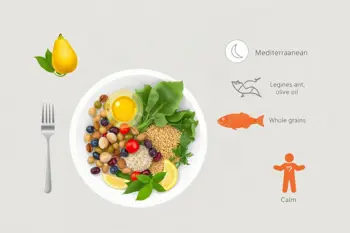
The strongest dietary support centers on an overall Mediterranean-style pattern rather than a single “miracle” food. It emphasizes vegetables, fruits, legumes, whole grains, nuts, seeds, olive oil, fish, and moderate amounts of lean protein and dairy. Research-based guidance emphasizes that the pattern matters more than isolated ingredients because it combines fiber, unsaturated fats, minerals, and plant compounds in a consistent dietary structure. 3
Foods commonly limited in this pattern include highly processed products, sugar-sweetened beverages, refined carbohydrates, deep-fried foods, and processed meats. These foods often contain substantial added sugars, salt, saturated fat, or refined starches and are less consistent with dietary patterns associated with lower inflammatory activity. Practical changes include replacing packaged snacks with nuts or fruit, choosing whole grains, and using olive oil instead of heavily processed fats. 4
Use movement and weight management
Regular physical activity can help regulate inflammatory processes and supports cardiovascular and metabolic health. U.S. adult activity guidance generally recommends at least 150 minutes of moderate-intensity aerobic activity each week, together with muscle-strengthening activity on at least two days. Walking, cycling, swimming, and resistance exercises can be adapted to fitness level, joint symptoms, age, and medical conditions. 5
For people with overweight or obesity, gradual weight loss may reduce chronic low-grade inflammation and improve several related health risks. The relevant approach is sustained adjustment rather than an extreme or restrictive program. Combining a nutrient-dense eating pattern with manageable activity can support weight changes while also addressing blood pressure, blood glucose, joint load, and cardiometabolic risk. 6
Prioritize sleep and stress regulation
Consistent, restorative sleep supports immune and metabolic regulation, while insufficient or disrupted sleep is associated with unfavorable health effects. A regular sleep schedule, a stable sleeping environment, and attention to persistent sleep problems can be relevant components of an inflammation-support plan. Ongoing insomnia, loud snoring, or significant daytime sleepiness may indicate a condition requiring professional assessment rather than a lifestyle remedy alone. 7
Stress-management practices may support wellbeing and reduce stress-related effects on immune, cardiovascular, and other body systems. Mindfulness, meditation, breathing exercises, yoga, and progressive muscle relaxation are examples of approaches discussed in health guidance. Their value is generally linked to consistent practice and improved coping, not to an immediate or guaranteed change in an inflammatory marker. 8
Do not overlook tobacco exposure
Avoiding tobacco smoke is among the clearest inflammation-reduction strategies because smoking promotes systemic inflammation and increases cardiovascular and respiratory disease risk. The same principle applies to reducing exposure to secondhand smoke. Smoking cessation can be difficult because nicotine dependence involves behavioral and physiological factors, so structured medical or behavioral support may be more appropriate than relying on willpower alone. 9
Natural methods should be viewed as complementary habits rather than substitutes for diagnosis or treatment. A healthy diet, regular movement, adequate sleep, and lower tobacco exposure can support general health, but they cannot reliably resolve infection, autoimmune disease, medication-related inflammation, organ disease, or an untreated injury. Persistent symptoms should be interpreted according to their cause, not simply labeled as “inflammation.” 1
Consider supplements cautiously
Omega-3 fatty acids from salmon, sardines, mackerel, herring, and other seafood may support inflammatory regulation. Evidence for omega-3 supplements varies by health condition, formulation, and dose, so supplement findings should not automatically be applied to every type of pain or inflammation. Food sources also provide protein and other nutrients that supplements do not replicate. 10
Turmeric and curcumin have shown possible benefits in some conditions, while ginger and selected botanical extracts have supportive but variable evidence. Product standardization, dose, medical history, and medication interactions matter. Supplements can affect bleeding risk, digestion, liver function, or the activity of prescribed medicines, and “natural” does not mean universally safe. A clinician or pharmacist can assess suitability, especially during pregnancy or when multiple medicines are used. 11
Recognize limits and warning signs
No detox, restrictive diet, or single supplement can reliably treat every form of inflammation. Natural approaches work best as sustainable habits individualized to a person’s health needs, daily routine, medications, and diagnosed conditions. Claims that a product suppresses all inflammation, replaces prescribed treatment, or produces rapid results should be treated cautiously because inflammatory pathways and causes differ substantially. 12
Medical evaluation is important for new, severe, persistent, or unexplained symptoms. Chest pain, trouble breathing, severe swelling, weakness, and high fever are warning signs requiring prompt care. Ongoing pain, recurrent fever, unexplained weight change, blood in bodily waste, or a repeatedly elevated inflammatory test also warrants professional assessment. Treating the underlying cause is more important than attempting to lower a marker without understanding why it is elevated. 2
Sources
- Acibadem Hospitals Group, “Natural Anti Inflammatory: Evidence-Based Options and When to See a Doctor”
- Mito Health, “How to Lower CRP and Chronic Inflammation: 8 Evidence-Based Methods”
- Harvard Health, “Anti-inflammatory diet: Foods that help reduce chronic inflammation”
- Harvard Health, “Quick-start guide to an anti-inflammation diet”
- Centers for Disease Control and Prevention, “Adult Physical Activity Guidelines”
- Arthritis Foundation, “Anti-inflammatory nutrition and healthy weight guidance”
- National Heart, Lung, and Blood Institute, “Sleep Deprivation and Deficiency”
- American Psychological Association, “Stress effects on the body”
- Centers for Disease Control and Prevention, “About Smoking and Tobacco Use”
- National Center for Complementary and Integrative Health, “Omega-3 Supplements: In Depth”
- National Center for Complementary and Integrative Health, “Turmeric”
- Acibadem Hospitals Group, “Holistic Healing for Inflammation: An Evidence-Based Guide for Patients”
Authored by 24Trendz team