Natural remedies for bloating: An evidence-based guide to causes, limits, and safety
Natural remedies for bloating are often discussed as ways to reduce trapped gas, abdominal pressure, and fullness without relying on unverified detox products. Evidence-based guidance focuses on identifying likely triggers, improving eating habits, supporting bowel movement, and using selected interventions carefully rather than treating every case with the same remedy.
What bloating may indicate
Bloating describes a sensation of abdominal fullness, tightness, pressure, or visible swelling. It can involve gas accumulation, constipation, food intolerance, irritable bowel syndrome, or increased sensitivity to normal intestinal stretching. The American College of Gastroenterology notes that constipation, intolerances, and IBS may all contribute, so the most useful remedy depends on the underlying pattern rather than the symptom alone. 1
Gas is commonly produced when gut bacteria ferment carbohydrates that are not fully digested. Foods often associated with symptoms include onions, garlic, wheat, legumes, some fruits, dairy products, and cruciferous vegetables, although tolerance varies substantially between individuals. Eating quickly can also increase swallowed air, while stress and altered intestinal movement may make ordinary amounts of gas feel more uncomfortable. 2
Eating habits and meal structure
Eating more slowly, chewing thoroughly, and choosing smaller meals can reduce the amount of air swallowed and may lessen post-meal pressure. The National Institute of Diabetes and Digestive and Kidney Diseases also identifies carbonated drinks and chewing gum as factors that can increase gas symptoms in some people. Keeping a symptom record can help distinguish a consistent food association from a one-time episode. 3
Meal timing and portion size can matter even when the food itself is not a clear trigger. Large meals may increase distension, while rushed eating can compound the effect through swallowed air. NHS guidance includes smaller meals, slower eating, regular exercise, and reducing fizzy drinks among practical measures for bloating. These changes are generally more informative when introduced one at a time, because multiple simultaneous restrictions can make the cause harder to identify. 4
Movement, constipation, and physical relief
Regular physical activity supports intestinal movement and may be particularly relevant when constipation contributes to bloating. Walking after meals is a commonly suggested measure, and clinical guidance also links exercise with improved management of gas and gas pain. Movement should not be treated as a cure for unexplained or severe symptoms, but it can form part of a routine for occasional discomfort and sluggish bowel transit. 5
Constipation-related bloating may improve when fluid intake, gradual fiber changes, and physical activity are addressed together. Increasing fiber abruptly can itself produce more gas, so dietary changes need to be gradual and responsive to symptoms. Persistent constipation, inability to pass stool or gas, or abdominal swelling accompanied by severe pain requires assessment rather than continued home experimentation. 6
Low-FODMAP diets and food triggers
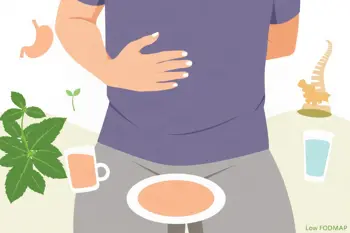
A low-FODMAP diet can reduce bloating and other gastrointestinal symptoms for some people with IBS. FODMAPs are fermentable carbohydrates that may draw water into the intestine and produce gas when fermented. Monash University describes the approach as a structured process that includes restriction followed by systematic reintroduction, rather than indefinite avoidance of broad food categories. 7
Because a low-FODMAP diet can be complex and may reduce dietary variety if poorly managed, guidance from a qualified dietitian or clinician is recommended. The goal is to identify personal tolerances and maintain nutritional adequacy, not to label every fermentable food as harmful. Johns Hopkins Medicine also describes dietary changes and selected low-FODMAP strategies as options for appropriate patients with bloating and distension. 8
Herbal options and probiotics
Peppermint oil has evidence for improving some IBS symptoms, including abdominal pain and bloating, particularly in enteric-coated preparations designed to release in the intestine. The National Center for Complementary and Integrative Health reports that peppermint oil can also cause side effects, including heartburn and indigestion. People with reflux symptoms should therefore consider this limitation before using it. 9
Probiotics do not help everyone with bloating, and outcomes vary by product, strain, dose, and individual condition. Some evidence relates to IBS symptoms more broadly rather than bloating alone, so a probiotic should not be assumed to provide a predictable result. Herbal teas such as peppermint, ginger, fennel, or artichoke are frequently discussed, but the supplied research indicates that evidence and appropriate preparation differ, making professional advice relevant when symptoms are persistent. 10
What to avoid and when to seek care
Detox drinks, charcoal beverages, and apple cider vinegar shots should not be treated as established solutions for bloating. The supplied clinical guidance emphasizes behavioral changes, trigger identification, constipation management, and carefully selected interventions instead. Unnecessary restrictive diets can also create nutritional problems or obscure conditions such as lactose intolerance, celiac disease, IBS, or other gastrointestinal disorders.
Medical evaluation is warranted when bloating is persistent, severe, or associated with vomiting, blood in the stool, fever, unexplained weight loss, severe pain, or inability to pass stool or gas. MedlinePlus advises seeking attention for abdominal swelling or bloating that is ongoing, painful, or accompanied by these warning signs. A symptom diary can help a clinician assess timing, foods, bowel habits, medications, and related symptoms. 11
Sources
- American College of Gastroenterology, Bloating and Distention
- Medical Herbalist, Bloating, Trapped Wind and Constipation
- National Institute of Diabetes and Digestive and Kidney Diseases, Gas in the Digestive Tract
- NHS, Bloating
- Mayo Clinic, Gas and Gas Pains
- Cleveland Clinic, Bloated Stomach
- Monash University, FODMAP and IBS
- Johns Hopkins Medicine, Abdominal Bloating and Distension
- National Center for Complementary and Integrative Health, Peppermint Oil
- Natural Life App, Herbal Remedies for Digestion
- MedlinePlus, Abdominal Swelling
Authored by 24Trendz team