Early symptoms of Shingles you should know: A clinical guide to warning signs and care
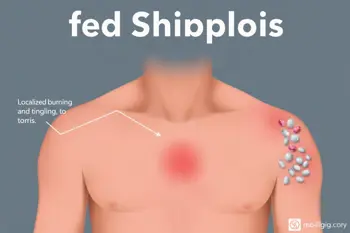
Early symptoms of Shingles you should know include localized pain, burning, tingling, itching, numbness, and unusual sensitivity in one area of skin. Headache, fever, fatigue, chills, or feeling generally unwell may also occur before the characteristic rash, which can make the illness resemble a routine viral infection or a muscle problem. 1 2
How shingles begins before the rash
Shingles develops when the varicella-zoster virus, the virus responsible for chickenpox, reactivates after remaining dormant in nerve tissue. The first noticeable symptoms often occur along the affected nerve pathway rather than across the whole body. A person may feel burning, tingling, itching, numbness, or pain in a defined patch of skin, even though the surface initially looks normal. 1 5
This early phase is sometimes called the prodromal stage. Pain may be constant and dull, intensely burning, sharp, stabbing, or similar to an electric shock. The skin can become tender enough that clothing or light touch feels uncomfortable. Because these sensations may be interpreted as back pain, a pulled muscle, sciatica, kidney pain, or another nerve problem, the absence of a rash can delay recognition. 4 7
General symptoms that may accompany nerve pain
Some people experience symptoms resembling a viral illness before or alongside the localized discomfort. Reported possibilities include headache, fever, chills, fatigue, malaise, dizziness, light sensitivity, brain fog, and an upset stomach. These symptoms are not specific to shingles, so they cannot establish the diagnosis by themselves, but they can add context when they occur with one-sided nerve or skin sensations. 2 3 7
The combination that deserves particular attention is a new, unusual sensory disturbance confined to one side of the body, followed over the next few days by a painful rash in the same general area. Merck Manual describes pain along the affected dermatome followed by a vesicular eruption, while Harvard Health describes tingling, itching, or burning followed by a blistering rash. 1 5
What the early rash usually looks and feels like
After the initial pain or altered sensation, shingles commonly produces red or inflamed patches that become grouped, fluid-filled blisters. The rash usually follows a band-like pattern supplied by a particular nerve and appears on only one side of the body or face. The torso, chest, back, abdomen, neck, and face are commonly affected, although shingles can occur in other locations. 3 8
New blisters may continue to appear for up to a week. Over the following days, they can become yellowish, flatten, dry, and form scabs. Pain often intensifies when the rash becomes visible, and the affected skin generally remains tender. Symptoms commonly improve over two to four weeks, although persistent nerve pain can continue after the rash has resolved. 2 1
Why timing affects medical assessment
Antiviral medicines are most useful when started early in the illness. Merck Manual states that treatment begun within three days of rash onset can help symptoms resolve sooner and reduce the burden of illness. A new one-sided painful rash with blisters therefore warrants prompt contact with a healthcare professional, particularly when pain began before the skin changes. 1 6
Diagnosis is often based on the characteristic pattern of grouped blisters distributed in a strip of skin, but early shingles can be harder to identify before the eruption appears. Other disorders can produce localized pain, itching, or sensitivity, and not every rash follows a textbook pattern. Clinical evaluation is especially important for people with severe symptoms, unusual locations, or medical conditions that weaken immune defenses. 1 7
Eye, ear, and immune-system warning signs
A rash on the forehead, nose, or around the eye requires urgent medical assessment because involvement of the ophthalmic branch of the fifth cranial nerve or the cornea can threaten vision. Vision changes, facial pain, or blisters near the eye should not be treated as an ordinary skin irritation. NHS guidance also identifies a rash on the eye or nose and any vision changes as reasons for urgent medical attention. 2 3
Shingles involving the ear can produce ear pain, blisters in the ear, hearing abnormalities, altered taste, tongue lesions, or facial paralysis, a pattern associated with Ramsay Hunt syndrome. People with severely weakened immune systems, including some individuals receiving chemotherapy, face greater concern because the illness may be more extensive or complicated. Pregnancy, breastfeeding with a breast rash, and younger age also require specific clinical guidance. 2 3
Who is more likely to develop shingles
Anyone who has had chickenpox can later develop shingles because the virus remains dormant in nerve ganglia after the initial infection. Risk rises substantially with age, particularly after 50, and is also higher in people with certain cancers, infections, or medicines that suppress the immune system. Merck Manual reports a lifetime risk of about 32% overall, increasing to as high as 50% in adults by age 85. 1
Shingles is not acquired from another person in the same way as a new shingles infection. However, fluid from shingles blisters can transmit varicella-zoster virus to someone who has never had chickenpox or vaccination, causing chickenpox rather than shingles. During the blistering phase, exposure is therefore a relevant public-health consideration, especially around pregnant people, infants, and those with weakened immunity. 6
Prevention and complications to understand
Vaccination is an established prevention measure for adults aged 50 and older, and it can help prevent shingles and related complications. Prevention guidance may differ according to age, immune status, medical history, and local recommendations, so eligibility is not identical for every person. A previous episode of shingles does not make future episodes impossible, and most people experience shingles only once, although recurrence can occur. 1 8
The principal longer-term complication is postherpetic neuralgia, in which nerve pain remains after the skin has healed. Other serious complications can include vision loss, facial paralysis, hearing changes, and, in uncommon circumstances, neurological events such as stroke. Recognizing one-sided burning or tingling followed by blisters helps distinguish a potentially nerve-related illness from a routine rash, but medical assessment remains necessary because symptoms and severity vary. 3 4
Sources
- Merck Manual Consumer Version, “Shingles”
- NHS inform, “Shingles”
- Verywell Health, “Early Signs of Shingles You Shouldn’t Ignore”
- AARP, “Early Symptoms of Shingles You Should Know About”
- Harvard Health Publishing, “What to do if you have or suspect you have shingles”
- Banner Health, “Early Symptoms of Shingles You Might Miss”
- HealthPartners, “Early shingles symptoms and stages of progression”
- GoodRx, “What Does Shingles Look Like? Rash Stages With Pictures”
Authored by 24Trendz team