Warning signs of high blood pressure: Clinical context and safety guidance
Warning signs of high blood pressure can be difficult to recognize because hypertension usually causes no noticeable symptoms. The condition is often called the “silent killer” because damage may develop in the heart, brain, kidneys, eyes, and arteries before a person feels unwell. A blood pressure measurement, rather than symptoms alone, is the only reliable way to identify elevated pressure. 1
Why high blood pressure is often silent
High blood pressure occurs when the force of blood against artery walls remains too high over time. The heart must work harder, while blood vessels can become damaged gradually. Many people with readings in the stage 1 or stage 2 range feel completely normal, so the absence of headache, dizziness, or other discomfort does not demonstrate that pressure is healthy. Routine checks are therefore central to detection, particularly for people with diabetes, kidney disease, or a family history of hypertension. 2 3
Possible symptoms when pressure is very high
Symptoms are more likely when blood pressure becomes severely elevated or begins affecting an organ, but they are not specific enough to diagnose hypertension independently. Reported symptoms can include severe headache, shortness of breath, chest pain, confusion, lightheadedness, and vision changes. Nosebleeds may also occur in some cases, although none of these symptoms reliably indicates the underlying blood pressure level. A person may experience one of these problems for another medical reason, or have dangerously high pressure without symptoms. 3 4
- Severe or unusual headache
- Blurred or double vision
- Chest pain or difficulty breathing
- Confusion, marked weakness, or lightheadedness
- Nosebleed occurring with other concerning symptoms
Warning signs of a hypertensive emergency
A reading of 180/120 mm Hg or higher is associated with a hypertensive crisis threshold. When such a reading occurs with chest pain, shortness of breath, confusion, severe headache, or vision problems, the combination may indicate acute organ injury and requires emergency medical evaluation. Sudden vision problems together with a severe headache are particularly concerning because they may reflect a serious neurological or vascular event. Symptoms should be assessed clinically rather than attributed automatically to blood pressure. 5 6
- Chest pain, pressure, or severe discomfort
- Breathing difficulty
- New confusion or trouble speaking
- Sudden weakness, numbness, or vision loss
- A severe headache that begins suddenly or feels different from usual
How blood pressure readings are classified
Blood pressure is recorded with systolic and diastolic numbers. The systolic number is the pressure when the heart contracts, while the diastolic number represents pressure between heartbeats. For nonpregnant adults, a normal reading is below 120/80 mm Hg; 120/80 to 129/79 is categorized as elevated; 130/80 to 139/89 is stage 1 hypertension; and 140/90 or higher is stage 2 hypertension. Diagnosis generally depends on consistently high readings rather than one isolated measurement. 2 7
| Category | Reading |
|---|---|
| Normal | Less than 120/80 mm Hg |
| Elevated | 120/80 to 129/79 mm Hg |
| Stage 1 hypertension | 130/80 to 139/89 mm Hg |
| Stage 2 hypertension | 140/90 mm Hg or higher |
Symptoms that may reflect long-term damage
Untreated hypertension can damage arteries and organs over many years, increasing the risk of heart attack, heart failure, stroke, kidney disease, and eye problems. Chest discomfort, shortness of breath, fatigue, irregular heartbeat, or vision changes may result from complications rather than from ordinary, uncomplicated hypertension. Blood in the urine has also been identified as a possible sign of kidney involvement, although it has many potential causes and needs medical assessment. 1 8 9
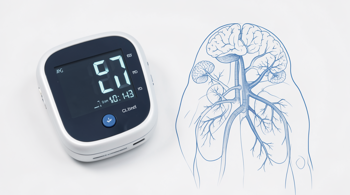
Organ damage can progress while a person feels well, which explains why symptom-based self-screening is unreliable. The brain, heart, kidneys, eyes, and arteries are among the structures that may be affected by sustained pressure. Over time, arterial narrowing and stiffening can contribute to circulation problems, while kidney injury can further complicate blood pressure control. These risks make screening and follow-up important even when no warning signs are present. 2 3
What to do when a reading is high
A high reading should be interpreted in context because blood pressure varies during the day and from one day to another. A single result does not necessarily establish hypertension, while repeated readings that remain at or above 130/80 mm Hg warrant discussion with a healthcare professional. Measurements may be obtained in a clinic, pharmacy, or home setting. If a reading reaches 180/120 mm Hg or higher, repeating the measurement and considering symptoms helps distinguish a concerning result from a possible emergency, but severe symptoms require emergency evaluation. 1 5
- Record the systolic and diastolic values and the time measured.
- Note symptoms such as chest pain, breathing difficulty, confusion, or vision change.
- Discuss repeated elevated readings with a qualified healthcare professional.
- Follow prescribed treatment even when blood pressure improves or no symptoms are present.
- Use lifestyle measures identified in clinical guidance, including less salt, regular exercise, weight management, smoking cessation, and reduced alcohol intake.
Why regular monitoring matters
Regular monitoring is the principal safeguard against silent hypertension. Nearly half of American adults are reported to have high blood pressure, while only about one in four affected adults have it under control. Screening can identify elevated pressure before a stroke, heart problem, or kidney complication develops. People with a family history of hypertension may need to discuss home monitoring with a healthcare team, and those with diabetes or kidney disease may require more frequent checks. 3 10
Medication may be part of treatment, sometimes involving two or three different blood pressure medicines, alongside lifestyle changes. Treatment is an ongoing management process rather than a response to symptoms alone, because feeling well does not mean that pressure is controlled. Keeping follow-up appointments, checking readings on an agreed schedule, and continuing prescribed medicine are important aspects of reducing the long-term risk of heart attack, stroke, heart failure, kidney damage, and eye disease. 1 11
Sources
- Merck Manual Consumer Version, “Quick Facts: High Blood Pressure”
- Harvard Health, “High Blood Pressure (Hypertension)”
- Mayo Clinic News Network, “High blood pressure can happen at any age”
- Mayo Clinic, “High blood pressure symptoms and causes”
- HealthVetted, “High Blood Pressure: symptoms, causes & treatment”
- MedlinePlus, “Hypertensive emergency”
- Cleveland Clinic, “Hypertension”
- WebMD, “Hypertension Symptoms”
- Johns Hopkins Medicine, “High Blood Pressure”
- Centers for Disease Control and Prevention, “About High Blood Pressure”
- National Heart, Lung, and Blood Institute, “High Blood Pressure”
Authored by 24Trendz team