How to handle migraines at home: A clinically informed guide to relief and safety
How to handle migraines at home becomes most relevant when throbbing pain, nausea, light sensitivity, sound sensitivity, dizziness, or brain fog makes ordinary activity difficult. A migraine is a neurological process rather than simply a bad headache, and early, familiar treatment generally offers a better chance of controlling an attack. 1
Recognize the attack and respond early
Migraine pain may be moderate or severe, commonly throbbing and sometimes concentrated on one side of the head, although it can affect both sides. Nausea, vomiting, sensitivity to light, sound, or smells, neck pain, and a tired or mentally foggy feeling can occur during or after the main pain. Attacks may last from four hours to three days, so a personal response plan is useful before symptoms become intense. 1
People who have a clinician-confirmed migraine plan should follow it at the first signs of the headache phase. Prescription medicines, including triptans, can become less effective when taken several hours after pain begins; one headache specialist cited a decline from about 85% effectiveness to approximately 30% to 35% after a prolonged delay. Guidance also notes that many triptans and nonsteroidal anti-inflammatory drugs are not effective during aura or before headache pain starts. 15
Reduce light, sound, and other stimulation
Moving to a dark, quiet room is one of the most consistently recommended home measures during an attack. Bright light, noise, and strong smells can intensify symptoms for some people, while lying down or sleeping may reduce the sensory burden. Lowering screen brightness and limiting screen exposure can also be reasonable when visual stimulation worsens discomfort, although individual triggers vary. 12
Cold therapy can be used alongside rest. A chilled washcloth, cold pack, migraine cap, or wrapped frozen gel pack may be placed on the forehead, temples, or back of the neck. Ice should not touch the skin directly, and sessions should be limited to about 15 to 20 minutes to reduce the risk of skin injury. Cold application has been identified as one of the more supported non-drug approaches for acute pain relief. 4
- Dim lights and reduce noise.
- Avoid strong smells when they worsen nausea or pain.
- Wrap cold packs in a towel before applying them.
Support hydration and steady nutrition
Dehydration is a reported headache and migraine aggravating factor, making small, regular sips of water useful when drinking is tolerated. Electrolyte-containing fluids may also be considered when fluid loss or dehydration is suspected. Large amounts at once can be difficult during nausea, so gradual intake may be more manageable. Hydration supports symptom management but does not replace prescribed treatment or medical assessment when symptoms are severe or unusual. 13
Skipping meals can contribute to attacks for some people, particularly when blood sugar becomes unstable. If nausea permits, a bland snack or small meal may be easier to tolerate than a large portion. Keeping meals reasonably consistent is a prevention-oriented habit, not a guaranteed treatment. Ginger in tea, chews, or supplement form has emerging evidence for migraine-associated nausea and pain, but supplements can have medical interactions and should be reviewed with a healthcare professional. 710
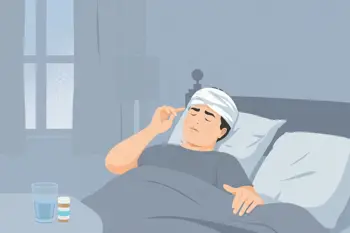
Use medicines carefully
Over-the-counter options commonly used for mild to moderate migraine symptoms include acetaminophen, aspirin, ibuprofen, and other anti-inflammatory pain relievers. They tend to work better when taken early in the headache phase, provided the product is appropriate for the person and used exactly according to its instructions. Medication choice depends on age, pregnancy status, stomach history, kidney or liver problems, other medicines, and individual medical advice. 25
NHS guidance specifically cautions that aspirin and ibuprofen may not be appropriate for adults with a history of stomach ulcers, liver problems, or kidney problems, and high-dose aspirin should not be used for migraine during pregnancy. Children younger than 16 should not take aspirin unless directed by a healthcare professional. Frequent reliance on acute medicines can also signal a need for a clinician to review the overall treatment plan rather than repeated self-treatment. 2
Try relaxation and identify patterns
Stress commonly precedes or accompanies migraine, so slow diaphragmatic breathing, meditation, progressive muscle relaxation, and guided imagery may help reduce distress during an attack. Progressive muscle relaxation involves gently tensing and releasing muscle groups in sequence. These techniques are more established in prevention than in acute treatment, but they can be combined with sensory reduction and cold therapy as low-risk supportive measures for many adults. 9
Prevention at home depends partly on identifying personal patterns rather than eliminating broad categories of food without evidence. A headache diary can record timing, symptoms, sleep changes, meals, hydration, stress, weather, hormonal cycles, caffeine, and possible exposures. Consistent sleep patterns are also important because sleep disruption is a recognized trigger. Caffeine may help some people, especially with an analgesic, but excessive or irregular use can contribute to withdrawal headaches. 68
Know when home care is not appropriate
Urgent assessment is needed for a sudden, agonizing headache, particularly one described as a blinding or thunderclap-like pain. Emergency warning signs also include weakness or paralysis of an arm or one side of the face, slurred or garbled speech, confusion, seizures, double vision, fever, stiff neck, or a rash. These symptoms may indicate conditions such as stroke or meningitis rather than a routine migraine. 2
A clinician should evaluate a new, changing, unusually severe, frequent, or disabling headache, especially when the diagnosis has not been established. A medical review can distinguish migraine from other causes and determine whether acute medicines, anti-nausea treatment, nonoral formulations, or preventive therapy are appropriate. Home measures can reduce sensory stress and support comfort, but they cannot reliably rule out serious illness or replace individualized care. 25
Sources
- The Well by Northwell, “How to Get Rid of a Migraine Fast at Home”
- NHS inform, “Migraine treatment and prevention”
- Mayo Clinic, “Migraine: Diagnosis and treatment”
- Cleveland Clinic, “Migraine Headaches”
- American Family Physician, “Acute Migraine Treatment: Guidelines From the International Headache Society”
- American Migraine Foundation, “Caffeine and Migraine”
- National Center for Complementary and Integrative Health, “Migraine: What You Need to Know”
- MedlinePlus, “Migraine”
- Harvard Health Publishing, “Migraine Headaches: Treatment and Prevention”
- Medanta, “Home Remedies for Migraines: Natural Ways to Get Relief”
Authored by 24Trendz team