Effective ways to manage hip stiffness naturally: An evidence-informed guide
Effective ways to manage hip stiffness naturally generally combine gentle mobility work, targeted stretching, strengthening, low-impact activity, and daily habit changes. Hip stiffness may follow prolonged sitting, muscle imbalance, previous injury, or conditions such as arthritis, so the appropriate approach depends on whether the sensation is simple tightness, exercise-related soreness, or persistent joint pain.
Why hips become stiff
Prolonged sitting keeps the hip flexors in a shortened position and can contribute to reduced extension when standing or walking. Limited movement variety, weak hip stabilizers, previous injury or surgery, and age-related changes are also associated with restricted range of motion. When the hips move poorly, the lower back, knees, or ankles may compensate, potentially affecting posture, walking efficiency, balance, and exercise technique. 1
- Common contributors include desk work, long car journeys, cycling, irregular exercise, and repeated movement in only one direction.
- Stiffness does not always identify the exact source of a problem, because muscles, tendons, joint structures, and surrounding areas can all contribute.
- Sharp pain, mechanical locking, numbness, or weakness requires more caution than ordinary tightness after sitting.
Use regular, low-impact movement
Consistent low-impact activity can reduce the effects of inactivity while moving the hip through a comfortable range. Walking, swimming, and cycling are identified as practical forms of aerobic exercise for maintaining joint mobility, although cycling may need adjustment if deep hip flexion increases symptoms. Short walks and gentle hip circles can be particularly useful after extended sitting because they restore movement without demanding a high load from the joint. 2
- Break up sitting with brief periods of standing or walking rather than remaining in one position for hours.
- Use controlled leg swings or hip circles as a warm-up, staying within a comfortable range.
- Increase duration or frequency gradually, especially after an injury or a period of inactivity.
Stretch the muscles around the hip
Stretching can address muscle tightness affecting the hip flexors, glutes, hamstrings, and piriformis. Commonly described options include the butterfly stretch, pigeon pose, hip-flexor stretch, and figure-four stretch, generally held for 20 to 30 seconds in the cited physical-therapy guidance. Stretching may provide short-term relief, but lasting mobility is more likely when it is paired with controlled movement and strength work rather than used as the only intervention. 3
- Warm up with easy movement before longer static stretches.
- Use steady breathing and stop if a stretch produces sharp, severe, or increasing pain.
- Prioritize a mild pulling sensation instead of forcing range or bouncing at the end position.
Build hip and core strength
Strengthening the muscles surrounding the hip can improve stability and reduce the need for compensatory movement. Glute bridges, clamshells, bodyweight squats, lateral band walks, and controlled 90/90 hip rotations are among the exercises described in the supplied physical-therapy and exercise guidance. The gluteal muscles, hip abductors, and core help control the pelvis during walking, stair use, squatting, and standing. 4
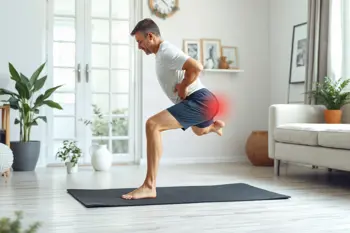
- Begin with bodyweight movements and a range that can be controlled without pain.
- Keep the pelvis steady during bridges, clamshells, and lateral movements rather than rotating through the lower back.
- Progress gradually because mobility gains are more sustainable when strength and coordination improve alongside flexibility.
Apply heat, adjust habits, and support joint health
Heat may help relax tight muscles and tissues before activity, while cold is commonly used after acute exercise-related irritation or during the first 24 to 48 hours of a new painful episode. Daily adjustments can also reduce stress on the hips, including choosing higher, firmer chairs, using a pillow between the knees when side sleeping, maintaining posture, and wearing supportive footwear. 5
- Use heat before mobility work when stiffness is the main symptom, and protect the skin from excessive temperature.
- Consider weight management when appropriate, because reducing body load can reduce mechanical demand on hip joints.
- An eating pattern that includes anti-inflammatory foods and omega-3 sources may support overall joint comfort, although diet does not replace assessment or exercise.
Know when home care is not enough
Home mobility work is most appropriate when stiffness is mild, movement remains possible, and symptoms improve with activity modification. Professional assessment is advisable when pain persists for several weeks, limits ordinary activity, worsens at night, or fails to respond to home treatment. Numbness, weakness, radiating pain, significant balance problems, or a hip that clicks or locks mechanically are additional reasons to seek medical or physical-therapy advice. 6
- A physical therapist can distinguish restricted flexibility from weakness, coordination problems, or a condition requiring a different plan.
- Exercises should be modified after surgery, a significant injury, or when a medical condition affects movement or balance.
- Consistency matters more than intensity: controlled sessions performed regularly are preferable to occasional aggressive stretching.
Sources
- Professional Physical Therapy, “How to Improve Hip Mobility: Stretches & Tips,” https://www.professionalpt.com/blog/how-to-improve-hip-mobility/
- California Pain, “Natural Relief for Sore Hips: Proven Guide,” https://californiapain.com/natural-relief-for-sore-hips/
- Professional Physical Therapy, “How to Improve Hip Mobility: Stretches & Tips,” https://www.professionalpt.com/blog/how-to-improve-hip-mobility/
- Summit Health Group, “How to Improve Hip Mobility Safely,” https://www.summithealthgroup.com.au/blog/improve-hip-mobility-safely/
- California Pain, “Natural Relief for Sore Hips: Proven Guide,” https://californiapain.com/natural-relief-for-sore-hips/
- Physioelite Ltd, “Stiff Hips? Why Hip Mobility Matters More Than You Think,” https://www.physioelite.co.uk/stiff-hips-why-hip-mobility-matters-more-than-you-think/
Authored by 24Trendz team