Sleep Apnea Treatments: A Comprehensive Review of Clinical Management Strategies
Understanding Clinical Diagnostics for Sleep Apnea
Identifying the appropriate treatment for sleep apnea begins with a precise clinical diagnosis. Healthcare professionals typically evaluate a patient's sleep history and physical symptoms, often incorporating feedback from bed partners or household members 1. When obstructive sleep apnea (OSA) is suspected, patients are frequently referred to specialized sleep centers for diagnostic testing. The primary diagnostic standard is polysomnography, an in-laboratory sleep study that monitors breathing patterns, brain activity, heart rhythms, blood oxygen levels, and body movements during sleep 1. Home sleep apnea tests (HSAT) may also be utilized, measuring parameters such as airflow, heart rate, and oxygen saturation, though clinical professionals often recommend follow-up laboratory studies if home results are inconclusive 1, 2.
Screening tools are essential in identifying high-risk individuals before formal testing. The STOP-Bang questionnaire-which accounts for snoring, tiredness, observed apnea, blood pressure, body mass index, age, neck size, and gender-is widely validated for use in primary care settings 2. Data indicates that for moderate to severe cases, this tool maintains high sensitivity, helping clinicians determine which patients require formal, accredited sleep studies 2. Because OSA impacts an estimated one billion adults globally, with millions experiencing moderate to severe events, early identification through these systematic screenings remains a cornerstone of effective management 2.
Continuous Positive Airway Pressure (CPAP) Therapy
Continuous positive airway pressure (CPAP) therapy serves as the clinical gold standard for managing OSA 7. These devices deliver a consistent, pressurized stream of air through a mask, which mechanically maintains the openness of the patient's airway throughout the night. By preventing airway collapse, CPAP therapy allows for normalized oxygen intake, helping to reduce the systemic health risks associated with untreated apnea 6. Beyond the standard CPAP, bilevel positive airway pressure (BPAP) machines provide two distinct pressure levels, offering higher pressure during inhalation and lower pressure during exhalation to improve user comfort 6.
Successful implementation of positive airway pressure (PAP) therapy requires ongoing maintenance and professional oversight. Patients are encouraged to regularly clean equipment and replace supplies as needed to ensure device performance 3. Modern PAP units often track usage duration and mask leak data, which healthcare providers review during follow-up visits to optimize pressure settings 3, 10. While these devices are highly effective, patients may require a period of adjustment to find the optimal mask fit and pressure levels that facilitate consistent nocturnal use 3.
Lifestyle Modifications and Metabolic Management
For individuals with milder forms of OSA, clinical guidelines often emphasize lifestyle modifications as a primary intervention. Losing weight, quitting smoking, and addressing nasal allergies are standard recommendations aimed at reducing the physical or inflammatory factors that contribute to airway obstruction 1. Recent research also highlights the emergence of metabolic therapies, such as the use of tirzepatide, which can assist in weight loss and metabolic health improvements to address the underlying root causes of obstructive sleep patterns 7.
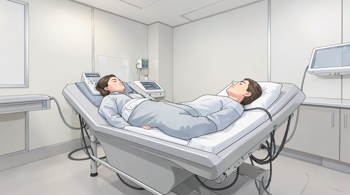
Positional therapy represents another significant non-invasive intervention. Since many patients experience more severe apnea while in the supine position, specialized pillows or wearable devices are often utilized to encourage lateral sleeping positions and prevent airway collapse 6. These modifications, while requiring patient discipline, are essential components of comprehensive OSA care. Healthcare providers regularly monitor patients' progress through follow-up sleep studies to assess the effectiveness of these behavioral changes in reducing the frequency of apnea-hypopnea events 3.
Oral Appliance and Surgical Alternatives
Patients who find it difficult to tolerate CPAP therapy may be considered for alternative interventions, such as oral appliance therapy. Mandibular advancement devices are frequently recommended for patients with mild to moderate OSA, as these appliances reposition the lower jaw to maintain airway space during sleep 2. When using these devices, patients must remain in close communication with both sleep specialists and dentists to monitor for potential issues, such as tooth shifting or discomfort 3.
For cases where non-invasive methods are insufficient, surgical options may be explored to address structural obstructions. Procedures such as uvulopalatopharyngoplasty (UPPP) or maxillomandibular advancement (MMA) serve to physically modify the throat or jaw structure to provide permanent structural support for the airway 5, 8. Additionally, hypoglossal nerve stimulation is an FDA-approved surgical option for specific patient groups who struggle with traditional pressure devices 3. Post-surgical follow-up sleep studies remain a standard requirement to verify that the intervention has successfully resolved or reduced the severity of the patient's apnea 3.
The Necessity of Multidisciplinary Care
Managing moderate-to-severe OSA is often complex, requiring a multidisciplinary approach that pulls from various medical specialties. Pulmonologists, otolaryngologists, cardiologists, and neurologists may all play a role in identifying the specific drivers of a patient's condition 1, 5. This collaborative framework ensures that both the breathing obstruction and its systemic impacts-such as heart disease or high blood pressure-are managed concurrently 8. By engaging different experts, clinicians can tailor treatment plans that address both the symptoms and the underlying anatomical or metabolic vulnerabilities of the patient 5.
Clinical Risks and Ongoing Maintenance
Left untreated, sleep apnea presents significant risks, including chronic fatigue, impaired daytime focus, and increased potential for cardiovascular events like hypertension or heart disease 8. Public health estimates suggest that a vast majority of those with the condition remain undiagnosed, underscoring the necessity of consistent medical evaluation 8. Even after treatment begins, the condition requires lifelong management. Patients are advised that success is not measured solely by feeling better, but by the objective improvement of sleep markers and the consistent use of prescribed therapeutic devices over time 3.
Sources
- Mayo Clinic: Sleep apnea - Diagnosis and treatment
- JAMA Internal Medicine: Diagnosis and Treatment of Obstructive Sleep Apnea
- American Lung Association: Treating and Managing Sleep Apnea
- PubMed Central: Obstructive Sleep Apnoea Treatments - Where Are We Now?
- Medscape: Multidisciplinary Management of Obstructive Sleep Apnea
- Cleveland Clinic: Positive Airway Pressure Therapy: Types & Benefits
- Everyday Health: What’s the Best Treatment for Obstructive Sleep Apnea (OSA)?
- American Medical Association: What doctors want patients to know about sleep apnea
- MDPI: Advances in Non-CPAP Management of Obstructive Sleep Apnea
- MedlinePlus: Obstructive Sleep Apnea Management
Authored by 24Trendz team