IBS Warning Signs: A Clinical Guide to Symptoms and Red Flags
Abdominal pain, bloating, constipation, or diarrhea may be signs of IBS. Irritable bowel syndrome is a chronic disorder of gut-brain interaction involving recurring abdominal pain and changes in bowel movements, but symptoms alone cannot confirm the diagnosis. The key distinction is the pattern, duration, relationship to bowel movements, and presence or absence of warning signs that may indicate another condition. 1
Recognizing the Core IBS Symptom Pattern
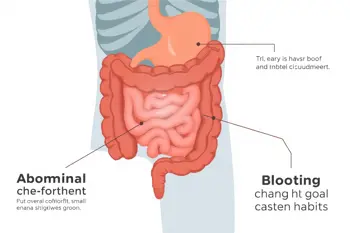
Abdominal pain is the most common symptom associated with IBS and may be described as cramping, aching, throbbing, stabbing, or sharp. It can occur anywhere in the abdomen, although the lower abdomen is frequently affected. The pain may be unpredictable, fluctuate over time, and relate to bowel movements. Clinicians commonly look for pain that improves or worsens after passing stool, along with a change in stool frequency or appearance. 12
Bloating is another frequent feature. Slower digestion and retained gas can cause the abdomen to feel distended or appear swollen. IBS is considered a functional gastrointestinal disorder, meaning symptoms can arise from altered gut-brain interactions even when routine examinations do not show structural damage. This does not make the symptoms imaginary, but it does mean that persistent or changing digestive complaints still require an appropriate clinical assessment. 13
Constipation, Diarrhea, or Both
Constipation-predominant IBS, known as IBS-C, may involve hard, dry, or lumpy stools, painful or difficult bowel movements, fewer than three bowel movements per week, or a feeling that evacuation was incomplete. Some people experience alternating constipation and diarrhea rather than one consistent pattern. These symptoms can vary from day to day, which is one reason a record of stool frequency, form, pain, and triggers can help a clinician assess the overall pattern. 1
Diarrhea-predominant IBS, or IBS-D, generally involves loose or watery stools occurring three or more times a day. Sudden urgency may also be present. IBS symptoms can come and go, with periods that feel better followed by flare-ups. Diarrhea or constipation by itself does not establish IBS, because infections, medication effects, inflammatory diseases, and other digestive problems may produce similar bowel changes. Evaluation is particularly important when the change is new, severe, or persistent. 38
Associated Symptoms That May Occur
People with IBS may report excess gas, mucus in the stool, nausea, fatigue, backache, pelvic discomfort, or urinary symptoms such as frequent urges. A sensation of incomplete bowel evacuation is also commonly described. These associated symptoms can accompany abdominal pain and altered bowel habits, but they are not specific to IBS. Their significance depends on severity, timing, medical history, and whether they occur with warning signs such as bleeding or unexplained weight loss. 52
Symptoms may be influenced by food, stress, previous gastrointestinal infection, gut sensitivity, motility changes, or other aspects of the gut-brain connection. Current clinical discussions describe IBS as multifactorial rather than attributing it to one single cause. The condition generally follows a chronic, fluctuating course and can affect quality of life, but symptom intensity does not by itself show whether a separate disease is present. 36
Warning Signs That Are Not Typical of IBS
Several findings should prompt medical evaluation because they may suggest a condition other than IBS. The National Institute of Diabetes and Digestive and Kidney Diseases identifies anemia, rectal bleeding, bloody stools, black or tarry stools, and weight loss as symptoms that can point away from a straightforward IBS diagnosis. Blood in the stool should not be assumed to be caused by IBS. These findings may require further examination, laboratory testing, imaging, or specialist assessment. 2
Other commonly recognized alarm features include fever, vomiting, nighttime symptoms that interrupt sleep, iron-deficiency anemia, a family history of colorectal cancer or inflammatory bowel disease, and a new change in bowel habits later in life. These signs do not prove cancer, inflammatory bowel disease, or another serious disorder, but they change the evaluation pathway. Persistent, severe, or rapidly worsening symptoms also warrant professional assessment rather than self-diagnosis based on an IBS symptom list. 48
How Clinicians Diagnose IBS
Diagnosis is based primarily on the symptom pattern, medical history, family history, and physical examination. NIDDK describes a pattern involving abdominal pain plus at least two features: pain related to bowel movements, a change in how often bowel movements occur, or a change in stool appearance. A clinician may consider IBS when symptoms have occurred at least once a week during the previous three months and first began at least six months earlier, although shorter histories may still need evaluation. 2
There is no single blood test, scan, or procedure that confirms IBS. Doctors may order targeted tests to rule out other problems, especially when alarm features or an unusual clinical history are present. Recent clinical guidance describes screening that may include a full blood count, inflammatory markers such as C-reactive protein, and coeliac serology. The aim is a positive, pattern-based diagnosis supported by appropriate checks, rather than an indiscriminate search for every possible disease. 47
What an IBS Assessment May Mean for Care
Once other concerning causes have been considered, management is generally tailored to the dominant symptoms and subtype. Clinical guidance describes lifestyle and dietary changes, symptom-focused medicines, psychological therapies, and gut-brain approaches as possible components of care. Examples of medicine categories include antispasmodics for pain, osmotic laxatives for constipation, antidiarrheal medicines for diarrhea, and neuromodulators such as low-dose tricyclic antidepressants. Treatment decisions require individual medical judgment. 4
Dietary strategies may include regular meals, adjustment of fiber, and a structured low-FODMAP trial with dietetic support in appropriate cases. Evidence remains insufficient for some therapies, including probiotics, fecal microbiota transplantation, and mesalamine, according to the cited clinical review. Because IBS symptoms can overlap with celiac disease, inflammatory bowel disease, infection, and malignancy, a diagnosis should be revisited if the pattern changes or a red flag appears. 48
Sources
- Verywell Health, “4 Warning Signs Your Digestive Issues Could Be IBS”
- National Institute of Diabetes and Digestive and Kidney Diseases, “Diagnosis of Irritable Bowel Syndrome”
- NCBI Bookshelf, “Irritable Bowel Syndrome”
- Australian Prescriber, “Diagnosis and management of irritable bowel syndrome”
- Acibadem Hospitals Group, “Signs of IBS: Common Causes, Related Conditions, and When to See a Doctor”
- British Journal of General Practice, “Management of irritable bowel syndrome in primary care”
- Mindset Health, “How is IBS diagnosed? A step-by-step look at the 3-month rule”
- Gastroenterology & Hepatology, “Managing the Diagnostic and Therapeutic Challenges of Irritable Bowel Syndrome”
Authored by 24Trendz team