Natural remedies for a urinary tract infection: Clinical Perspectives on Symptom Management and Preventive Strategies
Urinary tract infections (UTIs) are bacterial infections that can affect any part of the urinary system, including the bladder, urethra, and kidneys 1. While antibiotics remain the established first-line treatment for an active infection, interest in natural remedies for a urinary tract infection has grown as individuals seek ways to manage symptoms and reduce the frequency of recurrent episodes 2. It is essential to recognize that while some home-based practices may offer comfort, they do not serve as a clinical substitute for medical evaluation and treatment of an active bacterial infection 3.
Understanding the Limitations of Home Care
An active urinary tract infection should not be treated solely with natural remedies because bacterial infections may require clinician-prescribed antibiotics 4. Clinical oversight is particularly vital for certain populations, including pregnant individuals, men, children, older adults, and those with weakened immune systems or underlying conditions like diabetes 5. Medical intervention is also critical if symptoms escalate, as untreated infections can lead to serious complications, including systemic illness or kidney damage 6.
Patients experiencing severe indicators, such as high fever, chills, flank or back pain, vomiting, or persistent confusion, should seek professional medical assessment immediately 7. These signs can suggest that an infection has migrated from the bladder to the kidneys, a condition that demands urgent clinical attention 8. Relying on self-care in these instances may delay necessary medical diagnosis and the administration of appropriate antimicrobial therapy 9.
Hydration and Bladder Habits
Increasing fluid intake is a frequently recommended approach for supporting urinary tract health, as it encourages the regular flushing of bacteria from the system 10. While drinking adequate water supports the physiological function of the urinary tract, consuming excessive fluids does not cure an existing bacterial infection 11. The goal of hydration in this context is to dilute urine, which may reduce the intensity of burning or irritation experienced during urination 12.
Frequent bladder emptying is another strategy often suggested to discourage bacterial buildup 13. Ideally, individuals should aim to empty their bladder at regular intervals, such as every two to three hours, rather than waiting until the bladder is full 14. Furthermore, clinical guidance often emphasizes the practice of urinating shortly after sexual activity, which can assist in removing bacteria that may have been introduced to the urethra during intercourse 15.
The Role of Cranberry in UTI Prevention
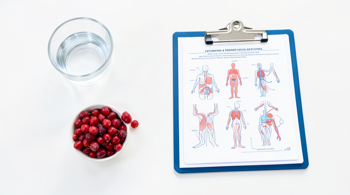
Cranberry products are among the most cited home remedies for urinary tract health, with research focusing primarily on their potential to prevent recurrence rather than treat an active infection 16. Certain compounds in cranberries, known as proanthocyanidins, may inhibit the ability of bacteria like E. coli to adhere to the lining of the urinary tract 17. While some meta-analyses suggest that cranberry products may modestly reduce the frequency of recurrent UTIs in specific populations, the evidence does not support their use as a cure for existing infections 18.
Variability in product quality, concentration, and formulation makes consistency difficult for consumers 19. Because standardized dosages are not established for clinical use, individuals interested in utilizing cranberry supplements for preventive purposes are encouraged to consult with a healthcare professional to ensure the product is safe and appropriate for their specific medical history 20.
Evaluations of Supplements and Dietary Factors
Various supplements, including D-mannose, probiotics, and vitamin C, are often discussed in the context of UTI management. Recent clinical research has provided significant updates regarding their efficacy. A randomized clinical trial found that daily D-mannose supplementation did not show a statistically significant reduction in recurrent UTIs compared to a placebo in certain cohorts 21. Similarly, the evidence currently available is insufficient to support the routine use of probiotics as a reliable strategy for either treating or preventing urinary tract infections 22.
Vitamin C is sometimes proposed for its potential to acidify urine, which could theoretically create a less hospitable environment for certain bacteria 23. However, evidence regarding its practical impact on infection rates remains limited. As with other natural approaches, the use of these substances should be approached with caution, particularly given the lack of robust clinical data confirming their effectiveness and safety for long-term use in preventing recurrent infections 24.
Physical Comfort Strategies
For individuals dealing with the discomfort associated with a UTI, such as pelvic pressure or bladder pain, physical comfort measures may provide temporary relief 25. Applying a heating pad or a warm water bottle to the lower abdomen or back is a common method for easing physical distress 26. It is important to reiterate that these methods offer only symptomatic relief and do not eliminate the underlying bacterial presence 27.
Over-the-counter (OTC) medications, such as those containing phenazopyridine, are often utilized to address the burning and urgency associated with these infections 28. While these agents may provide comfort, they do not treat the infection itself. Furthermore, they can mask symptoms, potentially leading an individual to believe the infection has resolved when it actually persists, making it vital to follow medical advice regarding the completion of any prescribed antibiotic course 29.
Summary of Clinical Recommendations
Managing urinary tract health requires a clear distinction between preventive lifestyle habits and the treatment of active infections. The following table summarizes the status of common approaches based on current clinical understanding:
| Approach | Primary Purpose | Clinical Status |
|---|---|---|
| Antibiotics | Treatment of active infection | First-line standard |
| Hydration | Supportive care | Reduces irritation |
| Cranberry | Potential prevention | Inconclusive for treatment |
| Probiotics | Preventive study | Evidence insufficient |
| Heating pads | Symptom relief | Non-curative |
Ultimately, professional diagnosis through urine culture and analysis remains the standard of care for confirming an infection and identifying the most effective medicinal intervention 30. Diagnostic procedures, such as imaging or cystoscopy, are reserved for cases of recurrent infections to identify potential structural issues within the urinary system 31. By prioritizing clinical guidance over self-managed remedies, patients can ensure they receive appropriate treatment while minimizing the risk of complications from untreated bacterial growth 32.
Sources
- Mayo Clinic: Urinary tract infection symptoms
- Verywell Health: 10 Home Remedies for UTI Relief
- Sesame Care: How to get rid of a UTI fast
- EBSCO: Natural treatments for bladder infection
- American College of Obstetricians and Gynecologists: UTI FAQs
- Urology Care Foundation: UTIs in adults
- NHS: Urinary tract infections
- MedlinePlus: Urinary tract infections
- Centers for Disease Control and Prevention: Antibiotic use for UTIs
- National Institute of Diabetes and Digestive and Kidney Diseases: Bladder infection treatment
- Health.com: 7 Home Remedies for UTIs
- Tua Saúde: Home remedies for UTI
- Harvard Health Publishing: Antibiotic-free fixes
- Pacific Natural Medicine: Natural UTI treatment
- Acibadem Hospitals: Cranberry juice for UTI
- National Center for Complementary and Integrative Health: Cranberry
- The People's Pharmacy: Using cranberry for UTIs
- Cochrane: Cranberries for preventing UTIs
- Applied and Environmental Microbiology: Cranberry and antibiotics
- International Urogynecology Journal: Probiotics and recurrence
- JAMA Internal Medicine: D-mannose clinical trial
- Harvard Health Publishing: Probiotics for UTIs
- Vitamin C and urinary acidity studies
- EBSCO CAM Review Board: Natural treatments summary
- Cleveland Clinic: Heating pad use for UTIs
- Health.com: Applying heat for UTI
- Mayo Clinic: Diagnosis and treatment
- AZO/Phenazopyridine medical literature
- Clinical review of symptom masking
- CDC: Diagnosis and clinical testing
- Mayo Clinic: Imaging and cystoscopy
- National Library of Medicine: Recurrent UTI management
Authored by 24Trendz team