Early Warning Signs of Liver Disease: Clinical Findings and When They Matter
The early warning signs of liver disease are often subtle, nonspecific, and easy to confuse with ordinary digestive or viral illnesses. Fatigue, nausea, reduced appetite, itching, urine or stool color changes, and yellowing of the skin or eyes can occur as liver function becomes impaired, although some people have no symptoms until significant damage has developed. 1
Why early liver disease can be difficult to recognize
The liver can sustain ongoing injury before obvious symptoms appear. Steatotic liver disease, formerly called fatty liver disease, often causes no symptoms in its early stages, and cirrhosis also usually produces few symptoms at first. Cirrhosis is long-term scarring in which scar tissue replaces healthy liver tissue and reduces normal function. Because early disease may be discovered during tests for an unrelated illness, symptoms alone cannot reliably determine whether liver damage is present. 2
Several early complaints are general rather than specific. Tiredness, weakness, nausea, poor appetite, and discomfort over the upper right abdomen have been reported in liver conditions including autoimmune hepatitis. Some people with autoimmune hepatitis have no symptoms and are identified through routine blood tests. This pattern explains why a gradual change in energy, appetite, or digestion deserves context, particularly when risk factors such as viral hepatitis, excess weight, diabetes, high cholesterol, or long-term alcohol use are present. 3
Changes in color that may signal altered bile processing
Jaundice means yellowing of the skin or whites of the eyes and can occur when bilirubin builds up because the liver cannot process it effectively. Dark urine and unusually pale or clay-colored stools may accompany this change. NIDDK describes dark urine and light-colored stools among the symptoms associated with autoimmune hepatitis, while the supplied clinical research links dark urine to increased bilirubin excretion and pale stools to reduced or obstructed bile flow. These findings can have causes outside the liver, so assessment is needed. 4
Color changes are more concerning when they occur together or persist. Jaundice is listed among later-stage cirrhosis symptoms, while dark urine and light stools can appear with liver inflammation or bile-flow problems. The absence of jaundice does not rule out disease, because many people with fatty liver disease or early scarring remain symptom-free. A clinician generally interprets color changes alongside the history, examination, and appropriate testing rather than treating one symptom as a diagnosis. 5
Skin, bleeding, and fluid-related warning signs
Persistent itching, medically called pruritus, may occur with liver disease and can be present without an obvious rash. Easy bruising or excessive bleeding can develop when a damaged liver produces insufficient clotting proteins. These symptoms are not exclusive to liver disorders, but their development alongside fatigue, jaundice, dark urine, or appetite loss increases the importance of a medical review. Medication effects, blood disorders, and skin conditions can also produce similar findings and require separate evaluation. 6
Swelling in the ankles, feet, or lower legs, as well as enlargement of the abdomen, can reflect fluid retention. In cirrhosis, fluid may accumulate in the abdomen, a condition called ascites, or in the lower limbs, called edema. These findings generally indicate more advanced impairment rather than an isolated early warning sign. A feeling of fullness or discomfort in the upper right abdomen may also occur when the liver becomes enlarged. 7
Digestive and whole-body symptoms
Nausea and loss of appetite can occur before more severe liver damage becomes evident. Weight loss without trying, persistent fatigue, and weakness are also described in people who develop complications of cirrhosis or autoimmune hepatitis. These symptoms are common across many illnesses, including gastrointestinal, metabolic, and infectious conditions. Their significance depends on duration, combination, and the presence of known liver risks rather than on any single complaint. 8
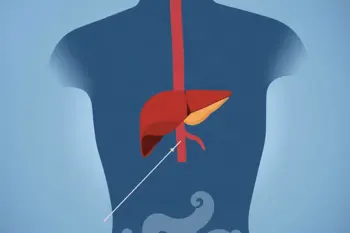
Abdominal pain or pressure may be felt in the upper right portion of the abdomen, particularly when the liver is enlarged or inflamed. Fatty liver can sometimes cause pain from liver enlargement, although many people with steatotic liver disease have no symptoms. Persistent discomfort, appetite changes, or nausea should not be assumed to represent liver disease without evaluation, but they can form part of a pattern that warrants discussion with a healthcare professional. 9
Conditions and exposures associated with liver damage
Long-term liver damage can result from several different conditions. Mayo Clinic identifies hepatitis B, hepatitis C, and chronic alcohol use as causes associated with cirrhosis. NHS inform also lists long-term alcohol misuse, chronic hepatitis C infection, and non-alcoholic steatohepatitis among common causes. Steatotic liver disease involves excess fat in the liver, and metabolic forms are associated with factors such as excess weight, type 2 diabetes, high cholesterol, and poor diet. 10
Alcohol-related liver disease can progress through fatty liver, alcoholic hepatitis, and cirrhosis. The earliest fatty-liver stage may improve when alcohol use stops, whereas cirrhosis involves permanent scarring and is largely irreversible. Metabolic fatty liver can also progress from fat accumulation to inflammation, fibrosis, cirrhosis, and, in some cases, liver cancer. The underlying cause matters because treating or reducing that cause may slow progression, although established scarring may not be reversible. 11
When symptoms require urgent medical attention
Some findings are not merely early warning signs and may indicate serious complications. NHS inform identifies vomiting blood, very dark or black tarry stools, confusion or drowsiness, shortness of breath, and fever with shivering as reasons to contact a doctor. NIDDK describes vomiting blood, confusion or difficulty thinking, jaundice, ascites, and leg swelling among complications that may occur when cirrhosis develops. These symptoms should be treated as medically significant rather than monitored casually at home. 12
Acute liver failure can develop rapidly over days or weeks, while chronic liver failure usually develops over months or years after ongoing damage. The supplied research identifies excessive paracetamol, viral infections, or poisoning as possible causes of acute failure and fatty liver disease, hepatitis, or alcohol-related injury as causes of chronic failure. Sudden confusion, bleeding, marked jaundice, or vomiting blood requires urgent medical assessment because liver failure can become life-threatening. 13
How liver disease is identified before severe symptoms
Symptoms cannot establish the cause or stage of liver disease. Early cirrhosis is often detected during investigations for an unrelated illness, and autoimmune hepatitis may first appear through abnormal routine blood tests. Evaluation may therefore be relevant even when symptoms are absent, particularly for people with viral hepatitis, long-term heavy alcohol use, excess weight, diabetes, or high cholesterol. The research emphasizes that early care can help prevent or slow long-term damage in appropriate cases. 14
The central practical distinction is between a warning sign and a diagnosis. Fatigue, itching, nausea, abdominal discomfort, bruising, urine changes, stool changes, and jaundice can arise from multiple conditions. A healthcare professional must interpret these findings with medical history and testing. Persistent or combined symptoms, unexplained changes in color, or risk factors for fatty liver disease justify a clinical conversation, while bleeding, confusion, black stools, or severe jaundice warrant urgent attention. 15
Sources
- Mayo Clinic, Cirrhosis: Symptoms and Causes
- Cleveland Clinic, Steatotic (Fatty) Liver Disease: Symptoms and Treatment
- NIDDK, Symptoms and Causes of Autoimmune Hepatitis
- NIDDK, Definition and Facts of NAFLD and NASH
- NHS inform, Cirrhosis
- Hepatitis ACT, What Can Affect Your Liver
- Mayo Clinic, Liver Problems: Symptoms and Causes
- Cleveland Clinic, Liver Disease
- Johns Hopkins Medicine, Liver Disease
- American Liver Foundation, Liver Disease Symptoms
- MedlinePlus, Liver Diseases
- Mount Sinai, Liver Disease
- Jaslok Hospital, Early Symptoms of Liver Failure
- RMG Gastroenterology, Symptoms of Chronic Liver Failure
- National Health Service, Liver Disease
Authored by 24Trendz team