Natural remedies for acne: An analytical review of evidence-based botanical and lifestyle interventions
Acne vulgaris, a chronic inflammatory condition affecting a significant portion of the global adolescent population, has led to a growing interest in natural and herbal interventions as potential alternatives or adjuncts to conventional therapies 1, 4. This interest is largely driven by concerns regarding antibiotic resistance, potential side effects of synthetic medications, and a desire for more holistic skincare approaches 2, 5. While many remedies are widely discussed on social media and digital platforms, this review synthesizes existing clinical data to distinguish between established botanical benefits and anecdotal trends 1, 8.
The Scientific Landscape of Herbal Acne Therapies
Modern research has sought to bridge the gap between traditional medicine and evidence-based dermatology by evaluating specific phytoconstituents for their efficacy against acne 4. Clinical trials published between 2015 and 2025 have scrutinized various botanical agents, focusing on their anti-inflammatory, antibacterial, and sebostatic properties 2, 5. Unlike synthetic agents that often cause localized skin irritation, many herbal preparations aim to modulate the skin barrier while targeting the multifactorial pathogenesis of acne, which includes hyperactive oil glands and follicular hyperkeratosis 2, 6.
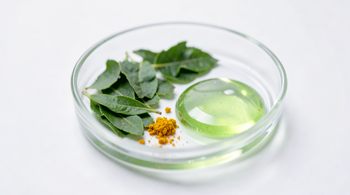
Key botanicals identified in recent systematic reviews include tea tree oil (Melaleuca alternifolia), turmeric (Curcuma longa), green tea (Camellia sinensis), and neem (Azadirachta indica) 2, 5. Research indicates that these agents often function by reducing lesion counts and improving the Investigator’s Global Assessment scores in patients with mild to moderate acne 2. However, it is essential to recognize that natural does not inherently mean gentle, and improper use of essential oils or concentrated extracts can lead to contact dermatitis or increased skin sensitivity in some individuals 8.
Mechanisms of Action: Botanical and Nano-formulated Solutions
The therapeutic potential of natural compounds often lies in their specific molecular components, such as polyphenols, alkaloids, and fatty acids 4. For example, the active compound in green tea, epigallocatechin-3-gallate (EGCG), has demonstrated a capacity to reduce sebum secretion when applied topically 10. Furthermore, advancements in pharmacology have introduced nano-formulations for natural bioactives, which may enhance the delivery and stability of agents like lavender essential oil and tea tree oil, allowing for more consistent results in clinical settings 6.
| Botanical Agent | Primary Mechanism |
|---|---|
| Tea Tree Oil | Antimicrobial (terpinen-4-ol) |
| Green Tea (EGCG) | Sebum regulation/Antioxidant |
| Turmeric (Curcumin) | Anti-inflammatory |
| Azelaic Acid | Exfoliation/Antibacterial |
These mechanisms facilitate skin repair and the mitigation of inflammation, which are critical for preventing long-term complications such as scarring and psychosocial distress 2, 6. Despite these benefits, the scientific community emphasizes that clinical results vary significantly based on the concentration, purity, and formulation of the botanical extract used 6.
The Role of the Microbiome and Adjunct Therapies
The gut-skin axis has emerged as a significant area of dermatological research, with prebiotics, probiotics, and postbiotics being investigated for their role in managing acne-related inflammation 7. A systematic review of 33 studies involving over 2,000 patients found that these microbiome-modulating therapies are generally well-tolerated with favorable safety profiles 7. The data indicated that probiotic interventions achieved mean total lesion reductions of approximately 45.2%, suggesting that internal systemic support can complement topical treatments 7.
In addition to topical botanicals and systemic supplementation, dietary adjustments remain a cornerstone of natural acne management. Clinical studies have consistently shown that high-glycemic index foods may exacerbate acne severity by triggering hormonal and inflammatory responses 3, 8. Consequently, stabilizing blood sugar levels through dietary choices is often recommended alongside evidence-based skincare routines to reduce the triggers that lead to clogged pores and comedones 3, 8.
Consistency and Maintenance in Skincare
A recurrent theme in dermatological guidance is the necessity of a consistent, gentle skincare routine rather than reliance on a single “hero” ingredient or overnight solution 8, 9. Managing acne effectively requires a sustained commitment to practices that protect the skin barrier, such as the use of non-comedogenic moisturizers and mild, non-drying cleansers 3, 9. Aggressive scrubbing or the use of alcohol-based toners can strip the skin, leading to increased irritation and further triggering of sebum production 3.
For those seeking to integrate natural remedies, dermatological experts suggest starting with a simple rhythm that allows the skin to reach a state of balance 9. It is advised to avoid DIY habits that lack clinical validation, such as the direct application of common household items like toothpaste or lemon juice, which can cause significant irritation and damage to the skin barrier 8. Professional guidance remains the standard for diagnosing the severity of acne and determining if natural interventions are appropriate for an individual’s specific skin profile 8.
Regulatory Considerations and Safety Warnings
While many natural products are available, they are not exempt from safety considerations. Potential risks include allergic reactions, phototoxicity with certain essential oils, and the variability of product quality in an unregulated market 6. Patients are encouraged to perform patch tests when introducing new botanical agents and to monitor for any adverse skin reactions 10. Furthermore, those experiencing deep, cystic acne or significant scarring are advised that natural remedies may not be sufficient as a primary treatment and should be used only under the supervision of a licensed medical professional 9.
The integration of evidence-based herbal therapeutics into modern acne management represents a shift toward more personalized care 5, 9. By combining verified botanical extracts with a disciplined skincare routine and a balanced diet, individuals may find ways to manage symptoms while minimizing exposure to synthetic substances 4, 5. Ongoing research is essential to standardize these treatments and provide clearer guidelines on effective dosages and long-term safety 4, 7.
Sources
- Medicinal Plants for Acne Vulgaris: An Evidence-Based Review - PMC
- Herbal therapies for acne vulgaris: A systematic review - Perinatal Journal
- Acne - self-care: MedlinePlus Medical Encyclopedia
- Scientific Evaluation of Herbal Remedies - Anti-Infective Agents
- Herbal and Natural Remedies for Acne: A Comprehensive Review - Zenodo
- Natural Bioactives and Nano-formulations - Bentham Science
- Prebiotics, Probiotics, and Postbiotics for Acne - Springer Nature
- How to Reduce Acne Naturally - Perfect B
- Natural acne treatment: An honest, routine-first guide - Utama Spice
- Topical green tea application - PubMed NIH
Authored by 24Trendz team