Ways to manage varicose veins at home: A clinical guide to symptom relief
Ways to manage varicose veins at home center on reducing aching, itching, heaviness, and swelling while supporting blood flow in the legs. Home care can make symptoms easier to live with, but it cannot remove varicose veins or correct faulty vein valves without a medical procedure. 1
Why varicose veins develop
Varicose veins are swollen, twisted veins that commonly appear beneath the skin of the legs, feet, or ankles. Tiny one-way valves normally help return blood toward the heart. When vein walls or valves weaken, blood can flow backward and pool, creating blue or purple bulges. Family history, pregnancy, older age, obesity, and occupations involving prolonged standing can increase risk. Symptoms may become worse after sitting or standing for long periods and improve with rest and leg elevation. 1 3 4
Compression garments and daily use
Compression socks and other medical-grade garments are among the most effective home measures for symptom control. Graduated pressure helps prevent veins from dilating and may reduce aching, throbbing, itching, and swelling, particularly when garments are worn during the day. The appropriate length depends on where the veins extend, with knee-high, thigh-high, and more extensive options available. Proper sizing matters, and a healthcare professional can help determine whether compression is suitable and which type is appropriate. 2
- Put compression garments on before leg swelling increases.
- Use the length and pressure recommended for the affected area.
- Stop and seek clinical advice if a garment causes marked pain, numbness, skin color changes, or worsening discomfort.
Movement to support circulation
Regular physical activity supports the calf-muscle pump, which helps move venous blood upward against gravity. Walking and swimming are practical forms of movement identified for managing symptoms and improving circulation. Changing position frequently also helps limit blood pooling in the lower legs. During work or travel that requires sitting or standing, brief periods of walking or ankle movement are more useful than remaining in one position for an extended time. Exercise may ease symptoms, but it does not reverse damaged valves. 6 8 9
- Alternate sitting, standing, and walking during the day.
- Avoid prolonged immobility when practical.
- Select activities that can be performed consistently without increasing pain.
Leg elevation and swelling control
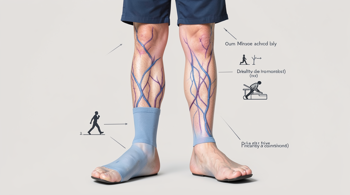
Elevating the legs can help symptoms improve because gravity assists the return of pooled blood toward the heart. The U.S. Department of Health and Human Services notes that symptoms may improve after resting and putting the legs up. Johns Hopkins guidance cited in the research recommends elevation above heart level for 15 minutes, three to four times daily. Elevation is a symptom-management strategy, not a way to eliminate the underlying vein abnormality. 3 7
- Raise the legs above the level of the heart when resting.
- Consider elevation after long periods of standing or sitting.
- Pair elevation with movement and clinician-advised compression when appropriate.
Weight, clothing, and daily habits
Maintaining a healthy weight can reduce additional pressure on the veins of the legs and may help prevent further dilation. Clothing that is loose around the waist, legs, and groin avoids unnecessary restriction of circulation. Research information also identifies avoiding high heels and restrictive clothing as potentially helpful circulation measures. These habits cannot control inherited weakness, pregnancy-related changes, or age-related valve problems, but they can reduce avoidable contributors to discomfort and venous pressure. 6 4
- Choose clothing that does not tightly constrict the waist or upper legs.
- Limit long periods in high heels if they worsen leg discomfort.
- Use regular movement rather than relying on posture changes alone.
Measures requiring caution
Several supplements and topical approaches are discussed for venous symptoms, including horse chestnut seed extract, butcher’s broom, prickly ash, pot marigold, and flavonoids. The supplied research states that alternative therapies cannot treat the root cause, although some may provide symptom relief. Horse chestnut products can have safety considerations and should not be treated as substitutes for diagnosis or prescribed care. Gentle leg massage is also described as potentially helpful, but direct pressure over prominent veins should be avoided. 6 10
- Discuss supplements with a qualified healthcare professional before use.
- Do not apply forceful massage directly to enlarged veins.
- Be cautious of claims that home remedies can permanently remove varicose veins.
When home care is not enough
Many varicose veins are painless and do not cause health problems, but symptoms can indicate a more significant venous condition. A healthcare provider can determine whether self-care is sufficient or whether further evaluation is needed. Medical treatments such as sclerotherapy, laser therapy, surgery, or other procedures can remove or close problematic veins, although new veins may form. Persistent pain, increasing swelling, skin changes, or uncertainty about the diagnosis warrants professional assessment rather than escalating home remedies. 1 3 5 9
- Arrange medical evaluation for worsening or persistent symptoms.
- Ask for advice before using compression if circulation problems are suspected.
- Seek urgent medical attention for sudden, severe, or markedly one-sided leg symptoms.
Sources
- Cleveland Clinic, Varicose Veins: Symptoms, Causes & Treatment
- Cleveland Clinic Health Essentials, What You Need To Know About Self-Care for Varicose Veins
- U.S. Department of Health & Human Services, Women’s Health, Varicose Veins and Spider Veins
- Harvard Health, Varicose Veins
- Merck Manual Consumer Version, Varicose Veins
- Mayo Clinic, Varicose Veins: Diagnosis and Treatment
- Johns Hopkins Medicine, Varicose Veins
- Northwell Health, How to Prevent Varicose Veins
- Penn Medicine, Varicose Veins
- Verywell Health, How to Manage Varicose Veins at Home
Authored by 24Trendz team