Effective ways to manage sinus congestion naturally: An analysis of evidence-based self-care strategies
Understanding the Mechanisms of Sinus Congestion
Sinus congestion occurs when the delicate lining of the paranasal sinuses-the air-filled cavities within the bones surrounding the nose-becomes inflamed and swells 1. These membranes produce mucus that is typically swept along by microscopic hair cells and drained into the nasal cavity through small openings 1. When inflammation-triggered by viral infections, allergies, pollutants, or environmental irritants-narrows these drainage pathways, mucus becomes trapped, thickens, and can create a stagnant environment where bacteria may proliferate 2, 7. Understanding this process is essential for selecting appropriate, non-pharmaceutical management strategies that prioritize the restoration of natural drainage rather than merely suppressing symptoms 8.
Saline Nasal Irrigation: A Primary Supportive Measure
Saline nasal irrigation is widely recognized by clinical experts as a foundational, evidence-based approach to managing sinus discomfort 5, 9. By flushing the nasal passages with a saline solution, individuals can physically remove excess mucus, allergens, and inflammatory particles that contribute to congestion 3, 10. The solution also serves to moisturize the nasal lining and support natural ciliary function, which helps move trapped debris out of the sinuses 3, 6. Clinical trials, including research cited by Cochrane reviews, consistently highlight this method as a low-risk intervention when performed with correct hygiene protocols 5, 10.
| Method | Primary Benefit | Implementation Note |
|---|---|---|
| Saline Irrigation | Removes irritants/mucus | Use distilled or boiled/cooled water only |
| Steam Inhalation | Loosens thick secretions | Use caution to avoid thermal burns |
| Hydration | Thins mucus consistency | Consistent intake required |
To prepare an effective home solution, individuals typically mix one-half teaspoon of non-iodized salt into two cups of distilled or previously boiled and cooled water 3. Some protocols include a quarter teaspoon of baking soda to further buffer the solution 3. Crucially, the U.S. Food and Drug Administration (FDA) and Centers for Disease Control and Prevention (CDC) emphasize that users must never use untreated tap water due to the risk of introducing dangerous pathogens into the nasal passages 11, 12.
Humidity and Steam as Supportive Care
Managing the ambient environment is a key component of holistic sinus care, particularly during winter months when indoor heating systems significantly reduce humidity levels 4. The use of a clean humidifier can help prevent nasal tissues from drying out, which in turn reduces the irritation that leads to swelling 4, 13. Excessive dryness in the nasal passages can hinder the body's natural ability to clear mucus, making it harder for the drainage system to function correctly 7.
Steam inhalation is another common method to provide temporary relief from the sensation of pressure and heavy-headedness 4. By inhaling moist air-often by leaning over a bowl of hot water while covering the head with a towel-individuals may loosen thick mucus, thereby easing the congestion process 4, 9. While evidence regarding steam is generally positive, it must be performed with caution to prevent accidental thermal burns to the face or nasal mucosa 5, 14.
Hydration and Environmental Management
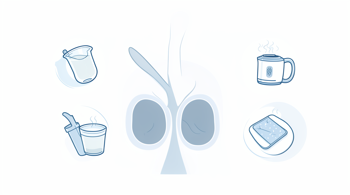
Maintaining adequate fluid intake is a simple but effective systemic way to support the thinness of secretions, making them significantly easier to clear through normal channels 6, 13. When the body is dehydrated, mucus tends to become more viscous, which exacerbates the blockage of the narrow sinus openings 7. Alongside hydration, active management of the immediate environment-such as minimizing exposure to smoke, dust, mold, and strong chemical fragrances-is advised to reduce the ongoing inflammatory triggers that cause recurring congestion 14.
For those whose congestion is linked to allergic responses, identifying and reducing contact with specific environmental triggers is a critical long-term strategy 14. Reducing the intake of substances that stimulate a histamine response can decrease the swelling of the nasal membranes, allowing the sinuses to return to their normal state without the immediate need for pharmaceutical decongestants 8. Persistent allergy-related sinus symptoms often warrant a consultation with a healthcare professional to determine if a more structured, long-term environmental control plan is necessary 14.
The Role of Botanical and Holistic Supports
Holistic health frameworks often emphasize the use of specific plant-based supports to assist with immune resilience and inflammation. Some practitioners suggest the use of herbal infusions, such as peppermint or chamomile, noting that the menthol content in peppermint may act as a mild natural decongestant 4. Furthermore, some standardized botanical blends-often including ingredients like bromelain, quercetin, and N-acetylcysteine (NAC)-are investigated for their potential to help modulate the inflammatory response and aid in mucus thinning 5.
It is important to approach these supplements with a critical understanding of the evidence. While some randomized trials show individual ingredients may provide a clinical signal for managing acute symptoms, the integration of these substances should be approached as a supportive layer to the primary methods of saline irrigation and environmental control 5. Individuals should always consider the potential for interactions or sensitivities when introducing new herbal supplements into their health routine 5.
When to Seek Professional Medical Evaluation
While many cases of sinus congestion can be managed with consistent at-home care, certain symptoms act as clear indicators that professional medical intervention is required. Self-care measures are not a substitute for clinical diagnostics in cases involving persistent or worsening conditions 6. Experts advise seeking evaluation if sinus symptoms last longer than ten days, show signs of improvement followed by a sudden worsening, or present with severe, localized pain 6, 14.
Furthermore, the presence of specific red-flag symptoms necessitates immediate medical attention. These include significant changes in vision, pronounced swelling or redness around the eyes, severe or unremitting headaches, or a high fever 14. Additionally, the repeated use of over-the-counter decongestant nasal sprays for more than three consecutive days is generally discouraged, as prolonged use can lead to a condition known as rhinitis medicamentosa, where the nasal passages become dependent on the spray and congestion worsens upon cessation 14.
Sources
- Harvard Health: What to do about sinusitis
- eHome Remedies: 17 Home Remedies for Sinus Congestion
- American College of Healthcare Sciences: 3 Holistic Remedies for Sinus Support
- NewsBytes: 5 natural remedies to unclog your sinuses
- Remedys Nutrition: Natural Sinus Relief Methods
- Sleep and Sinus Centers: How to Drain Sinuses at Home
- Non-Toxic Made Simple: Natural Remedies for Sinus Congestion
- Ask a Naturopath: Sinusitis and Holistic Approaches
- Health and Beauties: Natural Remedies for Sinus and Allergies
- Cochrane Library: Saline nasal irrigation for acute upper respiratory tract infections
- U.S. Food and Drug Administration: Safe use of neti pot
- Centers for Disease Control and Prevention: How to safely rinse sinuses
- Mayo Clinic: Chronic sinusitis treatments
- National Health Service: Sinusitis self-care advice
Authored by 24Trendz team