Warning signs of inflammatory bowel disease: A comprehensive medical overview
Inflammatory bowel disease (IBD) represents a group of chronic, relapsing-remitting conditions characterized by persistent inflammation of the gastrointestinal tract 9. Affecting approximately 1.6 million Americans, the condition most commonly manifests as either Crohn’s disease or ulcerative colitis 1. While these disorders are distinct, they often present with overlapping symptoms that are frequently misunderstood or attributed to temporary digestive discomfort 4. Recognizing the early warning signs of these conditions is critical for medical management, as delayed diagnosis can lead to cumulative bowel damage and increased complications 10.
Understanding the Clinical Scope of IBD
The two primary forms of IBD are defined by the location and nature of the inflammation within the digestive system. Crohn’s disease can affect any portion of the gastrointestinal tract, spanning from the mouth to the anus, and is often characterized by 'skip areas' of inflammation where healthy tissue persists between affected segments 3. In contrast, ulcerative colitis is typically confined to the large intestine, or colon, and often begins in the rectum, progressing continuously through the tissue without skipping sections 4.
Beyond these two types, a small percentage of cases-estimated between 5% and 11%-cannot be clearly classified and are categorized as indeterminate colitis or inflammatory bowel disease-unclassified 9. Because IBD is an autoimmune disorder where the immune system inappropriately targets healthy intestinal mucosa, the resulting inflammation can be systemic, causing symptoms that extend beyond simple digestive distress 1. Understanding these nuances is essential for patients and clinicians alike when evaluating chronic abdominal complaints 2.
Persistent Diarrhea and Bowel Urgency
Chronic diarrhea remains one of the most reliable and earliest indicators of IBD. Unlike common digestive upsets that resolve within days, diarrhea associated with IBD typically persists for weeks or recurs at regular intervals 6. This occurs because the inflamed intestinal lining becomes unable to effectively absorb water and nutrients, resulting in loose stools that may contain mucus or blood 8. When diarrhea continues for an extended duration, it necessitates professional medical assessment to rule out chronic inflammatory conditions.
Bowel urgency, another hallmark sign, involves a sudden, intense need to use the restroom, which can lead to incontinence in severe cases 4. In ulcerative colitis, this urgency is often coupled with tenesmus, which is the uncomfortable sensation of needing to pass stool even when the bowel is empty 10. These symptoms can significantly disrupt daily life and are often the primary factors that prompt patients to seek a gastroenterological consultation 4.
Abdominal Pain and Gastrointestinal Distress
Recurring abdominal pain and cramping are nearly universal experiences among individuals with IBD. This pain is often linked to the prolonged irritation and swelling of the intestinal walls 8. In Crohn’s disease, patients may report localized pain that corresponds to the specific segment of the bowel currently experiencing inflammation 3. This discomfort often worsens after meals, creating a cycle where individuals may avoid eating, thereby leading to further health complications 6.
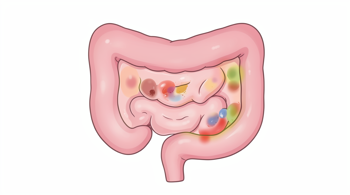
While occasional abdominal pain can result from dietary choices or minor infections, the pain associated with IBD is typically chronic and does not resolve with standard lifestyle modifications 10. When this pain is accompanied by other systemic symptoms like fever or unexplained fatigue, it serves as a stronger indicator that the underlying cause may be an inflammatory process rather than a transient functional disorder 5.
Systemic Symptoms and Nutritional Impact
IBD often impacts the body’s ability to maintain nutritional homeostasis. Unintentional weight loss, reduced appetite, and severe fatigue are common, partly due to the body’s inflammatory response and partly due to malabsorption of nutrients 8. Furthermore, internal blood loss-frequently seen in ulcerative colitis or Crohn’s colitis-can lead to anemia, which exacerbates feelings of weakness and exhaustion 7. Fever is another warning sign, often signaling an active flare or, in some instances, a complication such as an abscess or deep tissue infection 10.
| Symptom | Common Frequency | Clinical Significance |
|---|---|---|
| Persistent Diarrhea | High | Indicator of mucosal inflammation |
| Abdominal Pain | High | Relates to bowel irritation |
| Rectal Bleeding | Moderate | Common in ulcerative colitis |
| Unexplained Fatigue | High | Linked to systemic inflammation/anemia |
| Weight Loss | Moderate | Sign of malabsorption/reduced intake |
Pediatric Considerations and Developmental Impact
IBD can emerge in children and teenagers, where it presents unique challenges that may delay diagnosis. Because children may downplay symptoms or parents may attribute them to growing pains or stress, the condition can progress significantly before being detected 1. Key warning signs in pediatric populations include slowed growth patterns, delayed puberty, and poor weight gain, in addition to the standard symptoms of diarrhea and abdominal pain 9. Early intervention is particularly vital in children to prevent long-term developmental setbacks.
The Necessity of Professional Diagnosis
It is important to emphasize that no single symptom or combination of symptoms can definitively confirm an IBD diagnosis. Symptoms often mimic those of irritable bowel syndrome (IBS), celiac disease, or infectious gastroenteritis, leading to frequent misdiagnoses 10. A definitive diagnosis requires specialized medical testing, including colonoscopies, sigmoidoscopies, imaging studies such as MRIs or CT scans, and video capsule endoscopy 5. Because there is currently no cure, treatment strategies prioritize the reduction of inflammation and the management of symptoms to improve long-term quality of life 5.
Sources
- Johns Hopkins Medicine: Inflammatory Bowel Disease (IBD)
- Merck Manual Consumer Version: Overview of Inflammatory Bowel Disease
- Family Doctor: Inflammatory Bowel Disease (IBD)
- PortalCLÍNIC: Inflammatory bowel disease: symptoms and key signs
- Merck Manual Consumer Version: Crohn Disease
- NDTV Health: Doctor Shares 7 Early Symptoms Of Inflammatory Bowel Disease
- Merck Manual Consumer Version: Ulcerative Colitis
- NDTV Health: 9 Signs And Symptoms Of Inflammatory Bowel Disease
- MSD Manual Professional Edition: Overview of Inflammatory Bowel Disease
- AARP: Don’t Ignore These 10 Warning Signs of Crohn’s Disease
Authored by 24Trendz team