Sciatica Pain Symptoms: A Clinical Guide to Recognizing Nerve-Related Leg Pain
Sciatica Pain Symptoms are usually distinguished from ordinary back pain by a radiating pattern that travels from the lower back or buttock into the leg. The sensation may be dull, aching, burning, sharp, or electric, and some people also experience tingling, numbness, or weakness in the affected leg or foot. 1
What sciatica pain commonly feels like
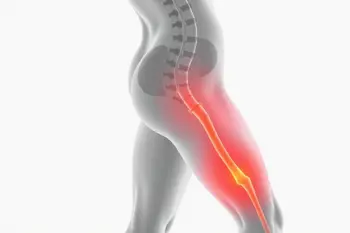
Sciatica describes persistent pain along the sciatic nerve, which runs from the lower back through the buttock and into the lower leg. Symptoms most often affect one side, although certain underlying conditions can produce symptoms on both sides. Pain may extend through the thigh, calf, and occasionally the foot, making the distribution of symptoms more informative than the general presence of back pain. 2
Clinical descriptions commonly include pain below the knee, a burning or electric quality, and leg pain that is more prominent than back pain. Nerve-related sensations can include pins and needles, reduced feeling, or weakness when moving the foot or toes. The pattern may interfere with walking, sleep, driving, or work, depending on its intensity and duration. 3
Where symptoms travel and what they may indicate
A classic pattern begins in the lower spine or buttock and follows the back, outside, or front of the leg. Pain that remains confined to the lower back, outer hip, or upper thigh without nerve-type symptoms may have another explanation. Extending beyond the knee toward the outside or underside of the foot makes a sciatic pattern more plausible, particularly when numbness or weakness occurs at the same time. 4
Symptoms can vary substantially between individuals. Some people report a sudden shooting jolt after lifting or twisting, while others develop gradually worsening pain over several days or weeks. Coughing, sneezing, straining, sitting, standing, or certain movements may increase symptoms, while lying down or changing position can provide relief. These patterns help clinicians assess nerve irritation but do not establish a diagnosis by themselves. 5
Common causes and contributing factors
The most frequent causes involve irritation or compression of a nerve root in the lower spine. A herniated or displaced disk can press on the nerve, while inflammation or an arthritic bony enlargement can also narrow the available space. Other possible causes include spinal stenosis, spondylolisthesis, piriformis syndrome, pelvic tumors, pregnancy, and, less commonly, conditions that resemble nerve pain. 6
Risk factors described in the supplied research include age-related spinal changes, obesity, diabetes, prolonged sitting, and work that requires twisting the back or carrying heavy loads. Diabetes may contribute to nerve damage through persistently elevated blood glucose, while extended sitting can aggravate symptoms in some people. These factors may increase susceptibility or flare-ups, but their presence does not prove that sciatica is the cause of leg pain. 7
How sciatica is evaluated
Assessment generally begins with a review of the pain pattern, medical history, onset, functional effects, and changes in strength or sensation. A clinician may examine walking, leg strength, reflexes, and sensation, and may perform a straight-leg-raising test. Pain that shoots below the knee while the leg is raised during this examination can support suspicion of nerve-root irritation. 8
Imaging is not required in every case. X-rays can show some bone changes, while magnetic resonance imaging can visualize disks and possible nerve-root compression. Electromyography measures electrical impulses produced by nerves and can help evaluate nerve signaling. Imaging or electrodiagnostic testing is more likely to be considered when symptoms persist, neurological loss is substantial, or infection, tumor, or another serious cause is a concern. 9
Warning signs that require medical attention
Loss of normal bowel or bladder control, difficulty passing urine, or altered sensation during urination can indicate severe nerve compression. Numbness in the saddle area, involving the anus, genitals, or buttocks, is another serious warning sign. Severe symptoms affecting both legs or progressively worsening motor weakness also require emergency medical assessment because they may reflect cauda equina involvement. 10
Other concerning features include significant loss of feeling, rapidly progressing weakness, a history suggesting fracture, or symptoms associated with infection or a tumor. These findings change the evaluation pathway and may require emergency referral and magnetic resonance imaging. Severe pain alone does not identify the cause, so neurological changes and bowel or bladder symptoms carry particular importance when deciding how promptly to seek care. 11
Typical course and treatment considerations
Many episodes improve with time. The supplied research reports that about 90% of cases resolve in less than six weeks, although recovery can differ when nerve compression is severe or symptoms continue. Maintaining normal activity as tolerated is generally favored over prolonged bed rest. Activity may need to be modified according to pain and weakness, and persistent functional limitations warrant clinical review. 12
Non-surgical care may include physical therapy, stretching or exercise-based rehabilitation, and medication selected according to individual risks and clinical findings. Evidence for some pain medicines and muscle relaxants is limited, and treatments such as corticosteroids, gabapentin, or other neuropathic agents require professional assessment rather than self-directed use. Surgery may be considered for severe, persistent symptoms or complications, often speeding improvement while long-term advantages remain less certain. 13
How symptom patterns differ from other pain
Sciatica is a symptom pattern rather than a single structural diagnosis. A slipped or herniated disk may cause it, but the terms are not interchangeable because nerve pain can arise from several conditions. Hip disorders, muscle problems, piriformis syndrome, and early shingles before a rash appears can produce similar discomfort. A clinical examination is therefore more reliable than assigning a cause from one symptom alone. 14
Symptoms can fluctuate and may not match the apparent size of an abnormality on imaging. A relatively small disk problem may cause intense nerve pain, while a larger imaging finding may not explain everyday symptoms. Coughing or sneezing can intensify nerve-related pain, and a positive straight-leg-raising test may provide useful supporting evidence. The overall distribution, neurological findings, and trajectory are assessed together. 15
Questions clinicians commonly consider
- Does pain travel from the buttock down the leg, especially beyond the knee?
- Are tingling, numbness, or weakness present in the leg or foot?
- Did symptoms begin after lifting, twisting, trauma, a procedure, or gradually?
- Do sitting, standing, walking, coughing, or sneezing change the symptoms?
- Are bowel, bladder, or saddle-area sensory changes present?
These questions organize the history but cannot replace a physical examination. Electromyography may be used to assess electrical nerve function, while imaging is selected when the result could change management or when warning signs exist. The decision depends on symptom duration, neurological status, suspected cause, and whether a serious alternative diagnosis must be excluded. 16
Diabetes and other health conditions can complicate interpretation because nerve damage may cause leg symptoms that resemble sciatica. Medication safety, activity tolerance, pregnancy, prior episodes, and progression of weakness also affect evaluation. Persistent or worsening symptoms should be discussed with a qualified clinician, while bowel or bladder changes, saddle numbness, bilateral severe pain, or progressive weakness warrant emergency assessment. 17
Sources
- Harvard Health
- Wikipedia, Sciatica
- SymptomDx
- Sciatica.pro
- MAPS Centers for Pain Control
- Journal of Clinical Medicine, MDPI
- Premier Pain Management
- Mayo Clinic
- Cleveland Clinic
- Harvard Health Publishing
- WebMD
- Johns Hopkins Medicine
- Healthline
- National Institute of Arthritis and Musculoskeletal and Skin Diseases
- Spine-Health
- MedlinePlus
- Penn Medicine
Authored by 24Trendz team