Identifying the warning signs of endometriosis: An analysis of clinical manifestations and diagnostic challenges
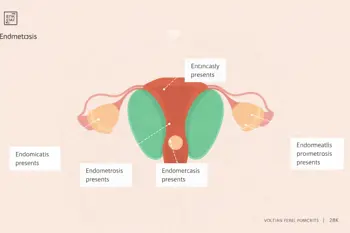
Endometriosis is a chronic, inflammatory condition in which tissue similar to the lining of the uterus, known as the endometrium, grows outside the uterine cavity 1. This tissue can implant on various pelvic structures, including the ovaries, broad ligaments, uterosacral ligaments, and the peritoneum 1. Because the condition is systemic in nature, symptoms can manifest in diverse ways, often depending on the specific location of the implants 1. Understanding these clinical manifestations is essential for individuals and practitioners alike, as the condition affects an estimated 190 million women of reproductive age globally 6.
The Complex Clinical Triad of Symptoms
Medical literature frequently identifies a classic triad of symptoms associated with endometriosis: dysmenorrhea, or painful menstruation; dyspareunia, characterized by pain during or after sexual intercourse; and infertility 1. However, clinical presentations are rarely limited to these three indicators. Many individuals also report significant discomfort during urination, known as dysuria, and pain during bowel movements, referred to as dyschezia 1. These symptoms often worsen around the time of menstruation, though they can persist throughout the entire cycle in chronic cases 4.
The intensity of pain experienced by patients does not necessarily correlate with the anatomical stage of the disease 1. A 2024 review indicated that individuals with minimal endometriosis may experience severe, debilitating pain, while others with advanced disease stages might report relatively few physical symptoms 8. This disconnect between disease progression and pain perception contributes to the diagnostic difficulty often faced by patients who seek clinical care for pelvic discomfort 5.
Recognizing Patterns and Warning Signs
One of the most persistent hurdles in identifying endometriosis is the tendency for medical systems to misinterpret or minimize symptoms 6. Research indicates that approximately 75% of endometriosis cases are initially misidentified as other physical or mental health issues 6. To differentiate endometriosis from standard menstrual discomfort, clinicians encourage monitoring specific patterns, such as cramping that begins before bleeding starts or pain that continues well after a period has concluded 7.
In addition to pelvic and reproductive symptoms, patients frequently report a variety of gastrointestinal and systemic issues. Bloating, nausea, chronic fatigue, and constipation are commonly linked to the presence of lesions near the bowel or bladder 2. When these symptoms recur consistently or display a cyclical pattern tied to the menstrual calendar, they are considered red flags that warrant formal medical assessment rather than symptomatic management with over-the-counter pain medication 4.
Barriers to Timely Diagnosis
The average diagnostic delay for endometriosis remains a significant global health challenge, with studies reporting delays ranging from 6.8 to 11.4 years in certain regions 8. This delay is often attributed to the clinical normalization of period pain, where patients are frequently advised that their symptoms are a standard aspect of menstruation 5. Consequently, many patients consult multiple medical providers before receiving an accurate diagnosis 8.
Clinical guidelines, such as those recently updated by the American College of Obstetricians and Gynecologists (ACOG), aim to shorten these diagnostic windows by emphasizing evidence-based clinical assessments 3. These guidelines stress the importance of shared decision-making and a thorough symptom review over immediate reliance on invasive diagnostic procedures 6. Clinicians are increasingly urged to look for indicators such as school absenteeism in adolescents or progressive dysmenorrhea that fails to respond to standard analgesics 9.
Diagnostic Modalities and Clinical Oversight
While definitive confirmation often requires surgical visualization through laparoscopy and subsequent biopsy, current medical standards recognize that treatment may be initiated based on a clinical diagnosis alone 1. Imaging modalities, including transvaginal ultrasound and MRI, are employed to support the clinical diagnosis by identifying structural lesions or cysts 1. However, the absence of imaging findings does not rule out the presence of the disease, as superficial lesions may not always be visible via standard imaging techniques 9.
A clinical diagnosis involves a comprehensive evaluation of the patient’s history, focusing on the character and duration of the pain 4. Because symptoms overlap significantly with conditions such as irritable bowel syndrome (IBS) and pelvic inflammatory disease (PID), clinicians must perform a differential diagnosis to ensure accurate management 6. Continued medical care is recommended when pain is new, worsening, or significantly restricts an individual’s quality of life 4.
Management Approaches and Future Considerations
The management of endometriosis is highly personalized and depends on the patient’s fertility goals and the severity of their symptoms 4. Nonsteroidal anti-inflammatory drugs (NSAIDs) are often used as a first-line approach for pain management, alongside hormonal therapies designed to suppress ovarian function and limit the growth of endometrial tissue 1. Surgical interventions, including excision or ablation of implants, are reserved for cases where hormonal management is insufficient or when anatomical issues require correction 1.
For severe, intractable cases where childbearing is not desired, more radical surgical options like hysterectomy-sometimes with bilateral salpingo-oophorectomy-are considered 1. Because endometriosis is a chronic, lifelong condition, it requires ongoing, multidisciplinary care. Future progress in the field relies on both improved awareness among healthcare providers and a commitment to investigating the inflammatory pathways that drive the progression of the disease 5.
Summary Table of Reported Symptoms
| Symptom Category | Specific Clinical Manifestations |
|---|---|
| Pelvic Pain | Severe menstrual cramps, chronic pelvic pain, lower-back pain |
| Sexual Health | Deep pain during or following vaginal penetration |
| Bowel/Bladder | Painful bowel movements, dysuria, gastrointestinal bloating, nausea |
| Systemic | Chronic fatigue, heavy or irregular bleeding, infertility |
Sources
- Merck Manual Professional Edition: Endometriosis
- Cleveland Clinic: What Does Endometriosis Feel Like?
- ACOG: Clinical Practice Guideline - Diagnosis of Endometriosis
- Acibadem Hospitals Group: Endometriosis Symptoms Explained
- TODAY.com: 5 Endometriosis Symptoms A Doctor Monitors In Herself
- Medical News Today: New national guidelines may aid better diagnosis
- nib: Endometriosis 101: Signs & Symptoms
- Health Spectra: 5 Endometriosis Warning Signs
- Dr. Senai Aksoy: Endometriosis Symptoms and Recognizing Signs
Authored by 24Trendz team