Natural Methods to Lower Cholesterol Through Lifestyle: A Comprehensive Clinical Review of Evidence-Based Strategies
High cholesterol, or dyslipidemia, is a condition affecting approximately 20% to 30% of the global population, characterized by elevated levels of low-density lipoprotein (LDL) or total cholesterol 2. Because this condition often presents without overt symptoms, many individuals are unaware of their status until a routine blood test reveals elevated markers 1. While pharmacological interventions are frequently necessary for those with specific genetic risks or established cardiovascular disease, current clinical guidance emphasizes that lifestyle modifications serve as a foundational, first-line strategy for many patients 5, 9.
Understanding the Physiology of Cholesterol and Risk
Cholesterol is a waxy, lipid-based substance synthesized primarily by the liver and essential for building cell membranes, hormone production, and vitamin D synthesis 1, 8. Medical professionals categorize circulating lipids into distinct types to assess health risks. LDL cholesterol is frequently termed the bad cholesterol because excess amounts can accumulate as plaque on arterial walls, narrowing blood vessels and increasing the risk of stroke and heart disease 1, 9. Conversely, high-density lipoprotein (HDL) is identified as the good cholesterol, assisting in the transport of excess lipids away from tissues to the liver for clearance 1, 8.
Triglycerides, another lipid type, are also monitored during lipid panels, as they represent the most common fat form in the human body 1, 8. The primary clinical objective in managing these markers is to reduce LDL and triglyceride levels while supporting or increasing HDL levels 5, 7. Experts note that roughly 25% of U.S. adults maintain an LDL-C level of 130 mg/dL or higher, underscoring the prevalence of the need for improved metabolic management 2.
Dietary Strategies for Lipid Regulation
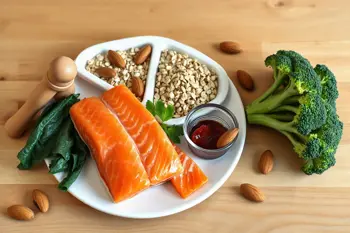
Nutritional therapy is central to managing cholesterol, with modern guidance focusing on overall dietary patterns rather than the singular monitoring of dietary cholesterol intake 2, 4. A highly effective shift involves reducing the intake of saturated fats found in red meat and full-fat dairy, while eliminating trans fats entirely 3, 6. These should be substituted with heart-healthy unsaturated fats, such as those found in avocados, nuts, and oily fish like salmon or mackerel 3. This modification alone can yield measurable improvements in one's lipid profile 6.
Increasing soluble fiber intake is another critical intervention. Soluble fiber binds to cholesterol within the digestive tract, facilitating its excretion before it can be absorbed into the bloodstream 5, 7. Sources such as oats, legumes, apples, and citrus fruits are recommended for their high fiber content 5. Clinical observations indicate that consistent daily intake of soluble fiber may lead to a 5% to 10% reduction in LDL cholesterol 5. Additionally, the consumption of plant sterols and stanols can provide an additive benefit, potentially lowering LDL by 7% to 10% with a consistent intake of 1.5 to 2 grams per day 5.
The Role of Physical Activity
Structured physical activity is a cornerstone of cardiovascular risk management, acting as a natural tool to modulate lipid metabolism 5. Aerobic exercise is particularly effective at improving the body's cholesterol profile by helping to lower LDL levels and, in many cases, raising HDL levels 3, 6. Furthermore, consistent exercise is noted for its ability to reduce triglycerides, often producing a 10% to 20% reduction in this specific marker 5.
The cumulative effect of regular movement contributes to overall cardiometabolic health and supports weight management, which is independently linked to healthier cholesterol levels 5. While individual responses to exercise vary, medical experts suggest maintaining consistent activity levels for at least 6 to 12 weeks before re-evaluating laboratory results to assess the efficacy of these habit changes 5. Combining these efforts with dietary adjustments often yields the most significant improvements in patient outcomes 5.
Weight Management and Lifestyle Integration
Achieving and maintaining a healthy weight is highly correlated with optimized cholesterol metrics. Weight reduction typically supports a decrease in LDL and triglycerides while simultaneously promoting an increase in HDL cholesterol 6. This lifestyle intervention acts in concert with nutritional choices to improve systemic inflammation and insulin sensitivity, both of which are critical factors in long-term cardiovascular health 2. Lifestyle-based weight loss is often viewed as a key component of a comprehensive cardiovascular risk reduction strategy 3.
Key Lifestyle Metrics for Cardiovascular Health
| Intervention | Expected Impact |
|---|---|
| Soluble Fiber | 5% to 10% LDL reduction |
| Plant Sterols/Stanols | 7% to 10% LDL reduction |
| Exercise | 10% to 20% triglyceride reduction |
| Dietary Fat Substitution | Supports overall lipid profile |
Smoking cessation represents an additional critical lifestyle change that offers immediate and long-term benefits for the cardiovascular system. Beyond its well-documented impact on lung health, smoking cessation is associated with improvements in HDL cholesterol levels and a significant reduction in overall cardiovascular event risk 3.
Clinical Limitations and When Medication Is Required
While lifestyle changes are effective for many, it is crucial to recognize that they may not be sufficient for everyone 1. Individuals with familial hypercholesterolemia, established cardiovascular disease, or very high cholesterol levels often require pharmacological support, such as statins, to manage their risk effectively 1, 4. Clinical guidelines clarify that lifestyle measures are often intended to complement, rather than exclusively replace, medication for high-risk patients 5.
Professional medical monitoring via regular lipid panel testing is necessary to determine if lifestyle changes are yielding the intended results 5. This data-driven approach allows clinicians to provide personalized guidance based on individual risk factors, family history, and the results of therapeutic lifestyle changes over time 4. Maintaining regular contact with healthcare providers ensures that patients receive appropriate clinical support while proactively managing their cardiovascular health 9.
Summary of Evidence-Based Recommendations
The contemporary evidence base supports a multi-faceted approach to lowering cholesterol naturally. By prioritizing the intake of unsaturated fats over saturated sources, increasing the daily consumption of soluble fiber, and maintaining a structured program of physical activity, individuals can exert a meaningful influence on their lipid profiles 3, 5. These actions should be viewed as part of a sustainable long-term health strategy rather than a temporary fix 5.
Ultimately, the goal of these natural interventions is to reduce the burden of arterial plaque and, by extension, the lifetime risk of cardiovascular events 4. As research continues to refine the understanding of nutritional science and lipid metabolism, these established strategies remain the benchmark for primary and adjunctive cardiovascular care 2. Patients are encouraged to engage with their primary care physicians or cardiologists to develop an evidence-based plan tailored to their specific biological needs 4.
Sources
- University of Rochester Medicine, How to Lower Cholesterol Naturally
- National Center for Biotechnology Information, Dietary Therapy for LDL Cholesterol Reduction
- Cleveland Clinic, 7 Ways To Lower Cholesterol
- Harvard Health Publishing, 11 Foods That Can Help Lower Your Cholesterol
- Springhill Medical Group, Natural Ways to Support Healthy Cholesterol: Fiber, Sterols, Exercise
- Nolla Health, How to Lower Cholesterol: Diet, Exercise & Meds
- Lakeview Cardiology of Texas, Lowering Cholesterol Naturally: A Comprehensive Guide to a Healthier Heart
- The Healthy Apron, How to Lower Cholesterol Naturally
- Medical Channel Asia, 6 Natural Ways to Lower Your Cholesterol Without Using Drugs
- The Mirror, NHS names five lifestyle changes to lower cholesterol 'before' statins
Authored by 24Trendz team