Warning signs of kidney stones: An analytical report on clinical indicators and diagnostic awareness
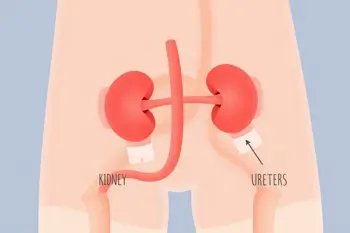
Kidney stones, medically referred to as renal calculi or nephrolithiasis, are solid crystalline masses formed from minerals and salts within the kidney 2. Approximately 11% of men and 7% of women in the United States may experience stone disease during their lifetime, a prevalence that has more than doubled over the past four decades 6. While small stones may pass through the urinary system without causing discomfort, larger deposits can trigger significant medical distress when they obstruct the ureter, the narrow tube connecting the kidney to the bladder 3, 4.
Common Clinical Manifestations
The hallmark symptom of a kidney stone is severe, sharp pain, often described as renal colic, which typically originates in the back or side, just below the ribs 4, 9. This discomfort often radiates toward the lower abdomen and groin area as the stone traverses the urinary tract 2, 9. Unlike some other forms of abdominal pain, renal colic often presents in waves of varying intensity rather than remaining at a constant level 2, 8.
Urinary changes serve as significant diagnostic indicators. Individuals may notice hematuria, characterized by pink, red, or brown coloration in the urine due to the presence of blood 1. Additionally, the obstruction of urine flow often leads to a constant, urgent need to urinate, even if only small amounts can be passed 1, 7. Burning or painful sensations during urination are also frequently reported clinical markers that indicate the presence of a stone 1, 9.
Physiological Impacts and Associated Symptoms
The physiological stress caused by the intensity of renal colic often results in secondary systemic symptoms. Persistent nausea and vomiting are common physiological reactions to severe pain associated with stone passage 1, 9. Furthermore, if the blockage interferes significantly with the urinary tract, urine may appear cloudy or emit a foul odor, which sometimes signals an associated urinary tract infection 1, 9. These symptoms generally become more pronounced as the stone moves from the kidney into the narrower ureter 5, 9.
| Symptom Category | Specific Presentation |
|---|---|
| Pain Patterns | Sharp, wave-like, radiates to groin/abdomen |
| Urinary Indicators | Hematuria, burning sensation, urgency |
| Systemic Effects | Nausea, vomiting, fever, chills |
| Urine Composition | Cloudy appearance, malodorous |
Red Flags Requiring Medical Intervention
Certain indicators are classified as medical red flags that necessitate immediate professional consultation to prevent complications such as severe infection or permanent kidney damage 1, 9. The presence of fever and chills is particularly concerning, as these often suggest that the stone is associated with an active infection within the urinary system 1, 9. Uncontrolled pain, persistent vomiting, or a complete inability to pass urine are also critical scenarios that typically lead to emergency department evaluation 6, 9.
Etiology and Risk Factors
The formation of kidney stones is fundamentally a process of crystallization in urine that lacks sufficient water to keep minerals dissolved 2, 5. High concentrations of calcium, oxalate, and phosphorus are primary drivers of stone development 1, 5. Inadequate fluid intake is cited as the most significant risk factor; producing less than one liter of urine per day increases the likelihood of crystal formation 5. Furthermore, genetics play a notable role, with a heritability factor estimated at approximately 45% 8.
Diagnostic Considerations
Diagnosing the cause of renal symptoms typically involves a comprehensive evaluation of medical history, blood tests, and urine analysis 9. Because various underlying health conditions-such as hyperparathyroidism, gout, or specific bowel diseases-can contribute to stone formation, clinicians often look beyond the immediate presence of a stone to identify the root metabolic or dietary cause 3, 5. Imaging studies are frequently utilized to determine the exact size and location of the obstruction, which dictates whether a patient can pass the stone naturally or requires clinical intervention 2, 9.
Management and Prognosis
While the prospect of passing a kidney stone is frequently cited as one of the most painful physical experiences a person can undergo, prompt management is effective in preventing long-term damage 2, 4. Treatment varies based on the type, size, and location of the stone 2. For many, hydration and pain management are sufficient for the stone to pass spontaneously 2. However, if the stone is too large or remains trapped, urological procedures may be necessary to restore urine flow and alleviate obstruction 3, 5. Given that recurrence rates can reach 50% within a decade of the initial presentation, ongoing monitoring and metabolic assessments are standard practices for those who have experienced stone formation 6.
Sources
- NIDDK: Symptoms & Causes of Kidney Stones
- Mayo Clinic: Kidney stones - Symptoms and causes
- Harvard Health: Kidney Stones - A to Z
- Cedars-Sinai: Kidney Stones: What Are the Signs and When to Seek Treatment?
- Penn Medicine: Kidney stones
- NCBI Bookshelf: Nephrolithiasis - Endotext
- NIDDK: Definition & Facts for Kidney Stones
- NCBI Bookshelf: Kidney Stone Emergencies - Endotext
- Acibadem Hospitals Group: Signs of Kidney Stones: Symptoms and Red Flags
Authored by 24Trendz team