Ways to manage allergic rhinitis at home: An analytical review of environmental and non-clinical mitigation strategies
Managing allergic rhinitis at home centers on a dual approach: reducing direct exposure to identified environmental triggers and implementing daily habits that minimize the body's immune reaction to substances like pollen, dust mites, and pet dander 1, 8. While allergic rhinitis is rarely cured permanently, consistent application of non-pharmacological interventions can significantly alleviate symptoms such as sneezing, congestion, and itchy eyes 3, 6. Understanding the mechanisms of these symptoms, which involve the immune system releasing histamine in response to perceived threats, is essential for effective home management 1, 9.
Environmental Control and Allergen Avoidance
The primary strategy for minimizing allergic rhinitis flare-ups involves modifying one's immediate surroundings to lower the concentration of airborne allergens. During peak pollen seasons, it is advisable to monitor local forecasts and limit time spent outdoors when levels are particularly high 1, 5. When indoors, maintaining closed windows and utilizing air conditioning with clean, high-efficiency particulate air (HEPA) filtration can prevent outdoor pollen from infiltrating living spaces 1, 3.
Because allergens frequently attach to skin, hair, and clothing, simple hygiene routines are critical for indoor air quality. Showering, washing hair, and changing clothes immediately after arriving home from outdoor activities can prevent the inadvertent transfer of pollen into bedding and furniture 1, 5, 13. Furthermore, managing indoor humidity levels remains a vital step in controlling dust mites and mold, both of which thrive in damp environments 3, 16. Ensuring bathrooms are ventilated and promptly addressing water leaks can further reduce the prevalence of indoor biological pollutants 3, 16.
Nasal Irrigation and Cleansing Techniques
Nasal saline irrigation is a widely recognized method for mechanically clearing nasal passages of accumulated mucus and trapped allergens 6, 7. Utilizing a neti pot or specialized squeeze bottle allows for the flushing of the sinus cavity, which can provide immediate relief from congestion and minimize post-nasal drip 3, 6. Clinical guidelines emphasize that safety is paramount; individuals must use only distilled, sterile, or previously boiled and cooled water to prevent the introduction of harmful microorganisms into the nasal cavity 6, 15.
| Symptom | Recommended Home Approach |
|---|---|
| Sneezing and Runny Nose | Saline rinse, pollen avoidance, and showering after outdoor exposure |
| Nasal Congestion | Saline irrigation, humidity control, and HEPA air purification |
| Morning Allergy Symptoms | Dust-proof mattress covers and weekly hot-water bedding washes |
| Pet-related Dander | Keep pets out of the bedroom and utilize HEPA vacuuming |
Managing Indoor Dust Mite Exposure
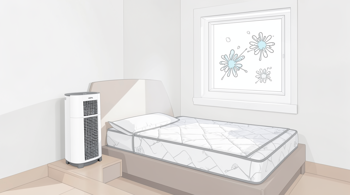
For individuals suffering from perennial allergies, dust mites represent a significant year-round challenge. Mitigation requires a targeted focus on the bedroom, where individuals spend the majority of their time 4, 7. Implementing allergen-proof covers for both mattresses and pillows is a key structural change that isolates the individual from mite populations residing within bedding materials 4, 7. Additionally, washing all linens, blankets, and pillowcases weekly in hot water is effective in eliminating allergen buildup 3, 12.
Understanding Medication and Treatment Limits
While home remedies provide substantial support, many individuals find that a combination of lifestyle changes and medical oversight is required for long-term comfort 5, 9. Intranasal corticosteroids are often cited as a first-line clinical approach for persistent symptoms, as they work to reduce inflammation directly within the nasal lining when used consistently 4, 11. Over-the-counter antihistamines are also commonly utilized to target the chemical pathways, such as histamine release, that trigger sneezing and itching 4, 17.
Caution is advised regarding the use of topical nasal decongestants. While these products may provide temporary relief for severe congestion, prolonged or excessive use can trigger rebound congestion, causing the nasal passages to become dependent on the medication to maintain openness 12, 17. Therefore, these should generally be limited to short-term use according to specific product labeling 12, 17.
When to Seek Professional Medical Consultation
Allergic rhinitis management at home is most successful when the individual understands the limitations of self-care. Persistent symptoms that interfere with sleep, school, or professional productivity warrant a professional evaluation 4, 7. Furthermore, if symptoms overlap with signs of asthma, such as wheezing or shortness of breath, medical intervention is essential to prevent complications 1, 4. Allergists can assist in identifying specific triggers and may offer immunotherapy as a long-term strategy for individuals whose conditions remain uncontrolled by traditional avoidance and medication 6, 11.
Tracking Symptoms for Effective Management
Maintaining a symptom diary is an effective analytical tool for identifying patterns associated with specific environments or activities 6. By documenting the timing and severity of symptoms, individuals can provide their healthcare providers with accurate data to refine treatment plans 6. This proactive approach moves beyond passive management, allowing for data-driven adjustments to environmental control measures and medication routines that lead to improved quality of life over the long term 8, 9.
Sources
- Ohio State Health & Discovery: How to treat and manage allergies at home
- Harvard Health: Hay Fever (Allergic Rhinitis) A to Z
- AllerFreeLifestyle: How to Treat Allergic Rhinitis at Home
- American Medical Association: What doctors want patients to know about allergic rhinitis
- Cleveland Clinic: Alternative Remedies for Allergies
- EUFOREA: Treatment of Allergic Rhinitis
- Dr. Jenica Yong: 6 Practical Tips for Treating Allergic Rhinitis at Home
- AyuSanjivani: Allergic Rhinitis Treatment at Home: 15 Effective Natural Tips
- Acibadem Hospitals Group: Allergic Rhinitis: Symptoms And Long-Term Control
- Health First Urgent Care: How to Manage Seasonal Allergies at Home
- American College of Allergy, Asthma & Immunology: Allergic Rhinitis Overview
- American Academy of Allergy, Asthma & Immunology: Allergic Rhinitis (Hay Fever)
- MedlinePlus: Home-care guidance for allergic rhinitis
- Mayo Clinic: Hay fever diagnosis and treatment
- U.S. Food and Drug Administration: Safe use of neti pot
- U.S. Environmental Protection Agency: Biological pollutants and indoor air quality
- National Health Service: Hay fever treatment and management
- American Lung Association: Allergic rhinitis and respiratory health
- American Academy of Family Physicians: First-line treatments for persistent allergic rhinitis
Authored by 24Trendz team