Warning signs of fatty liver disease: A clinical guide to symptoms and progression
Warning signs of fatty liver disease can be difficult to recognize because the condition is often silent, particularly in its early stages. Persistent fatigue, weakness, or discomfort beneath the upper-right ribs may occur, but many cases are discovered through routine blood tests or imaging rather than symptoms alone. 1
Why fatty liver disease is often difficult to detect
Fatty liver disease describes excess fat stored in liver cells. Metabolic dysfunction-associated steatotic liver disease, formerly called nonalcoholic fatty liver disease, is commonly associated with overweight or obesity, insulin resistance, type 2 diabetes, high triglycerides, abnormal cholesterol, high blood pressure, and other features of metabolic syndrome. Alcohol-associated fatty liver disease follows a different pattern related to alcohol intake. 1
Early fat accumulation may cause little or no injury that a person can feel. Even inflammation and cirrhosis related to steatohepatitis can sometimes occur without obvious symptoms, so the absence of warning signs does not establish that the liver is healthy. Risk factors, medical history, physical examination, blood testing, and imaging are therefore considered together rather than relying on symptoms alone. 3
Common early warning signs
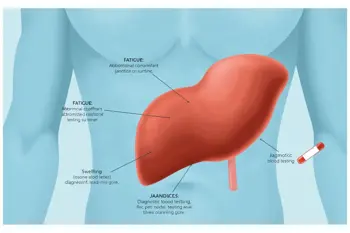
When symptoms appear, fatigue is among the most frequently reported complaints. Some people describe weakness, low energy, or a general sense of malaise. These symptoms are not specific to fatty liver disease and can have many other causes, but persistent tiredness that does not resolve with normal rest warrants discussion with a healthcare professional, especially when metabolic risk factors or abnormal liver tests are present. 1
Another recognized symptom is discomfort, pressure, or a feeling of fullness in the upper-right abdomen, where the liver is located. An enlarged liver can contribute to this sensation beneath the ribs. The discomfort may be mild, and its presence cannot confirm fatty liver disease because abdominal symptoms have numerous possible explanations. Clinical assessment is needed to identify the cause. 2
Symptoms that may indicate progression
As liver injury progresses, symptoms can become more noticeable. Loss of appetite, nausea, increasing weakness, and persistent fatigue may accompany more advanced disease. Yellowing of the skin or the whites of the eyes, known as jaundice, is a significant change that can reflect impaired liver function or another medical condition affecting bile flow and requires medical assessment. 2
Fluid retention is another warning sign associated with advanced liver disease. It may appear as swelling in the legs or an enlarged abdomen caused by fluid accumulation. Itching, abdominal pain, and jaundice are also described in later-stage nonalcoholic fatty liver disease. These findings do not show how much scarring is present by themselves, so examination and testing are required to assess severity. 5
Urgent signs of serious complications
Confusion, difficulty concentrating, unusual sleepiness, or other mental changes can signal hepatic encephalopathy, a complication associated with significant liver dysfunction. Such symptoms should not be attributed to ordinary tiredness without evaluation. They require urgent medical attention, particularly when they occur alongside jaundice, abdominal swelling, or a known history of advanced liver disease. 4
Easy bruising or bleeding may occur when advanced liver disease affects processes involved in blood clotting. Vomiting blood or passing black, tarry stools can indicate gastrointestinal bleeding and should be treated as an emergency. These findings are not typical evidence of uncomplicated early fatty liver, but they can occur when fatty liver has progressed to severe scarring and related complications. 7
Risk factors that increase concern
Symptoms are more concerning when they occur in someone with conditions linked to metabolic dysfunction-associated steatotic liver disease. Relevant factors include excess weight, a large waist size, insulin resistance, type 2 diabetes, high triglycerides, high total or LDL cholesterol, low HDL cholesterol, high blood pressure, and elevated blood glucose. Having several of these traits increases the likelihood of more serious steatohepatitis. 1
Fatty liver can also occur in people who do not fit a stereotypical body-size profile, and symptoms alone cannot distinguish metabolic disease from alcohol-associated disease or other liver conditions. A medical history should include diet, physical activity, sugary beverage intake, alcohol consumption, existing diagnoses, and medications or other possible contributors. This information helps clinicians determine which causes and tests are relevant. 3
How doctors investigate warning signs
Diagnosis generally combines a medical history, physical examination, blood tests, and imaging. During examination, clinicians may assess body mass index, look for an enlarged liver, and check for signs of insulin resistance such as darkened skin patches over the knuckles, elbows, or knees. They may also look for an enlarged spleen, abdominal fluid, or muscle loss, which can suggest cirrhosis. 3
Blood tests and imaging can suggest fatty liver and help evaluate possible injury, while additional assessment may be needed to distinguish simple steatosis from steatohepatitis or significant fibrosis. Fatty liver is frequently identified incidentally during routine testing, so an absence of symptoms should not prevent follow-up when liver enzymes are abnormal or imaging reports identify excess liver fat. 2
What the warning signs mean for long-term health
Fat accumulation does not inevitably lead to severe disease, but some cases progress from steatosis to inflammation, fibrosis, cirrhosis, liver failure, or liver cancer. Risk is influenced by metabolic health, alcohol exposure, genetics, and other medical factors. Because progression may occur while symptoms remain limited, monitoring and management of associated conditions are important parts of long-term care. 6
Warning signs should be interpreted as reasons for clinical evaluation, not as a self-diagnosis. Persistent fatigue, upper-right abdominal discomfort, jaundice, swelling, unexplained bruising, confusion, or gastrointestinal bleeding can have different causes and different levels of urgency. Medical assessment can clarify whether fatty liver is present, whether inflammation or scarring exists, and whether another liver or non-liver condition explains the symptoms. 4
Sources
- National Institute of Diabetes and Digestive and Kidney Diseases, “Symptoms & Causes of NAFLD & NASH” and “Diagnosis of NAFLD & NASH,” niddk.nih.gov
- Penn Medicine, “Fatty Liver Disease: Symptoms and Causes,” pennmedicine.org
- National Institute of Diabetes and Digestive and Kidney Diseases, diagnostic guidance for NAFLD and NASH, niddk.nih.gov
- Mayo Clinic, “Nonalcoholic Fatty Liver Disease: Symptoms and Causes,” mayoclinic.org
- NHS, “Non-alcoholic Fatty Liver Disease,” nhs.uk
- American Liver Foundation, “Fatty Liver Disease,” liverfoundation.org
- Penn Medicine, patient information on fatty liver complications, pennmedicine.org
Authored by 24Trendz team