Effective ways to manage sleep apnea symptoms naturally: A clinical analysis of lifestyle-based interventions
Obstructive sleep apnea (OSA) is a chronic condition characterized by the relaxation of throat muscles during sleep, which leads to airway blockage and interrupted breathing 3. While continuous positive airway pressure (CPAP) therapy remains the gold standard for treatment, many individuals seek complementary strategies to enhance their sleep quality and symptom management 2. Research indicates that for mild-to-moderate cases of sleep apnea, specific lifestyle adjustments can contribute to a meaningful reduction in the apnea-hypopnea index (AHI) 6. It is essential to recognize that these measures are intended to support, not replace, medical treatment for those with moderate or severe symptoms 1.
The Impact of Body Composition on Airway Patency
Obesity is a primary factor in the development and severity of obstructive sleep apnea, with approximately two-thirds of affected individuals presenting with excess body weight 5. Clinical data confirms that weight loss represents the single most impactful lifestyle intervention for managing OSA 5. Losing 10% of total body weight has been shown to reduce the AHI by an average of 32% 5. This physiological improvement occurs because weight loss reduces the volume of fat pads in the pharynx, thereby decreasing the pressure exerted on the airway walls during sleep 9. Maintaining a healthy weight helps prevent the tongue from becoming enlarged and the palate from thickening, both of which are common contributors to airway obstruction 5.
Positional Therapy and Sleep Mechanics
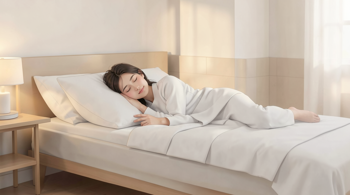
Sleep position plays a critical role in the severity of obstructive sleep apnea, particularly for individuals with position-dependent airway collapse 4. Up to 77% of sleep apnea cases are estimated to be positionally dependent, where the supine position allows gravity to pull the tongue and soft tissues backward, effectively blocking the airway 4. Clinical guidance suggests that sleeping on one's side can significantly reduce the frequency of these episodes 1. Furthermore, elevating the head by 7 to 15 degrees can offer a measurable reduction in AHI, often ranging from 20% to 40% 7. Simple modifications, such as utilizing wedge pillows or adjustable bed bases, help maintain consistent airway patency throughout the night 4.
Reducing Airway Irritants and Sedative Effects
The consumption of alcohol and sedative medications before bedtime is strongly discouraged for patients with sleep apnea, as these substances significantly relax the muscles in the throat 1. When the throat musculature loses its natural tension, the probability of airway collapse during sleep increases dramatically 1. Additionally, treating nasal congestion via saline sprays or humidification can alleviate respiratory resistance that often compounds the issue of snoring 8. Smoking cessation also remains a critical component of natural management, as tobacco usage is associated with increased inflammation and fluid retention in the upper airway, which can further narrow the breathing passage 10.
The Role of Myofunctional and Physical Therapy
Beyond external adjustments, some evidence suggests that targeted muscle training can improve outcomes for individuals with mild OSA 9. Myofunctional therapy focuses on toning the muscles of the tongue and the facial region to prevent them from collapsing during periods of rest 9. Regular aerobic exercise is another essential, non-surgical intervention that may improve sleep apnea symptoms independently of weight loss by enhancing overall upper airway muscle tone 5. While these exercises require consistency to yield measurable results, they offer a functional approach to strengthening the anatomical structures surrounding the airway 6.
The Necessity of Clinical Diagnosis and Monitoring
The diagnostic phase is a vital component of managing sleep apnea, as more than 80% of cases are estimated to go undetected 6. Attempting to manage symptoms without a confirmed diagnosis can be risky, given that untreated moderate-to-severe OSA is associated with a 2.5-fold increase in the risk of cardiovascular events over a decade 9. Medical professionals typically recommend an initial sleep study-either in a clinical setting or via a home sleep test-to measure oxygen levels, breathing patterns, and heart rate 8. Repeated testing is recommended after implementing any natural intervention to confirm whether the AHI has reached a clinically safe range 4.
When Natural Strategies Are Insufficient
It is critical to distinguish between individuals who may benefit from lifestyle changes and those who require immediate medical intervention. For individuals with moderate apnea (AHI 15-30) or severe apnea (AHI >30), lifestyle changes alone are rarely sufficient to resolve the condition 7. Furthermore, those with underlying cardiovascular disease, known neuromuscular conditions, or severe daytime fatigue should strictly follow a physician-led treatment plan rather than relying on home remedies 7. While roughly 50% of mild-to-moderate cases may achieve partial or full resolution through natural interventions, medical oversight remains the only reliable way to ensure that blood oxygen levels remain stable during sleep 7.
Sources
- Sleep Foundation: Sleep Apnea Self-Care: Tips to Manage Symptoms at Home
- SleepApnea.org: Home Remedies for Sleep Apnea
- Health.com: 8 Ways To Improve Obstructive Sleep Apnea Symptoms Naturally
- Yahoo Health: 6 Natural Remedies for Sleep Apnea That Improve Your Breathing
- Weiner Sleep Surgery: How to Treat Sleep Apnea Naturally
- Sleep Report: Natural Remedies for Sleep Apnea: What Works, What Doesn't
- Mattressnut: Cure Sleep Apnea Naturally Without CPAP: Evidence 2026
- Mayo Clinic: Sleep apnea - Diagnosis and treatment
- Recovery Central: Home Remedies for Sleep Apnea: What Actually Works
- American Lung Association: Treating Sleep Apnea
Authored by 24Trendz team